




Sage the Dual Boiler is the most affordable dual boiler we've tested so far: currently from around 920 francs. Two boilers, dual PID control, adjustable pre-infusion, programmable volumetrics – and intentionally no integrated grinder. This pits Sage against La Marzocco, Dalla Corte and ECM, whose dual boiler espresso machines usually start at 2,000 francs. The model number is SES920, in some markets and datasheets this same machine is sold as BES920.
One thing upfront: The Sage Dual Boiler shows that a dual boiler doesn't have to be expensive to deliver technical class, an impressive range of functions and good espresso in the cup. Where it falls short, we'll tell you that just as clearly.
This article brings together our work on the Sage Dual Boiler. We've tested the machine thoroughly and produced a long test video as well as a shorter summary. More content with tips, tricks and operating suggestions will follow.
Strengths and weaknesses at a glance
What it does well:
- Temperature stability once the machine is fully heated.
- Heat-up time of 8 minutes – quick for a dual boiler. A flush shot is included.
- Dual PID control for brew boiler and steam boiler, each adjustable separately.
- Programmable dose buttons. You program either the flow time or the flow volume. Even espresso machines costing significantly more often lack volumetrics.
- Adjustable pre-infusion – in duration and in water volume or built-up pressure. An exclusive feature in this price class.
- Dual water tank filling: refill from the top or completely remove the tank from the back.
- No integrated grinder. Sounds like a drawback, but it's one of the biggest advantages: You buy an espresso grinder that matches your machine, and can upgrade later.
- Usable milk pitcher included.
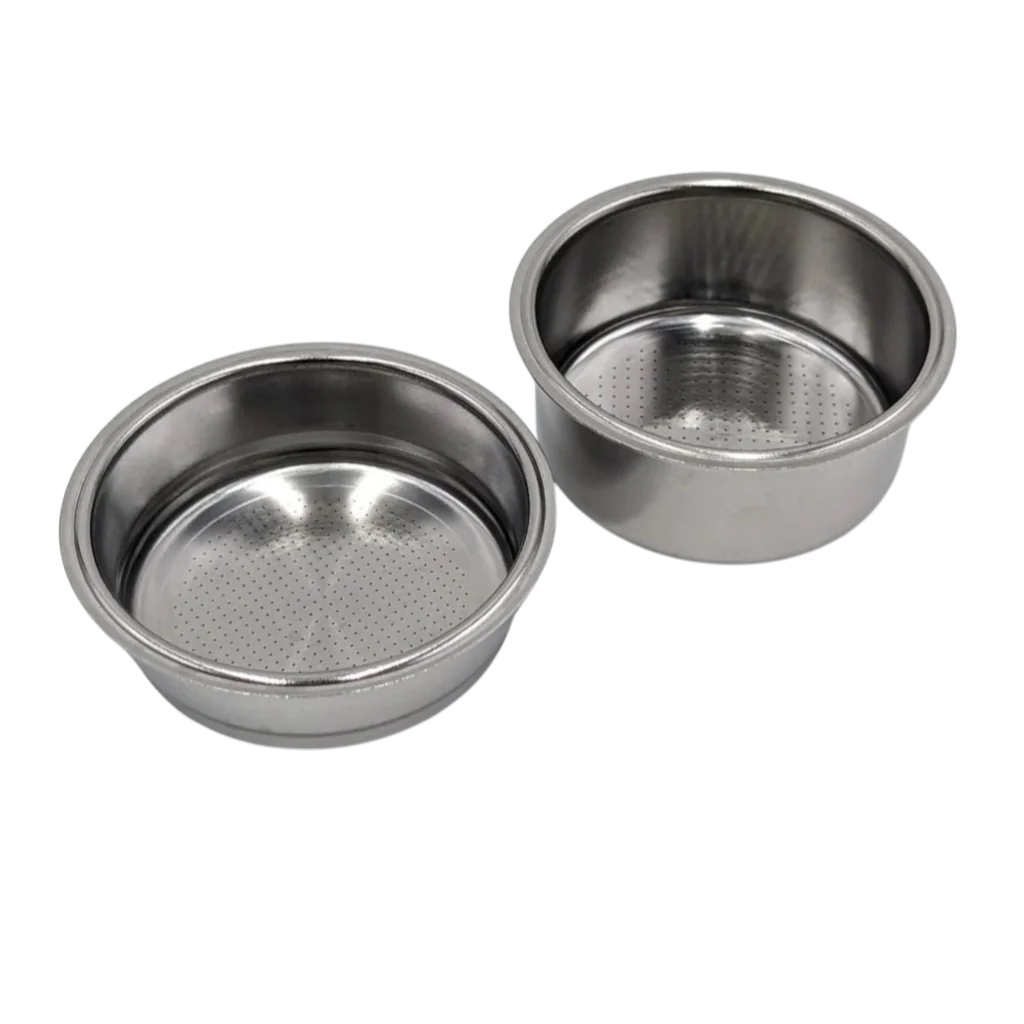
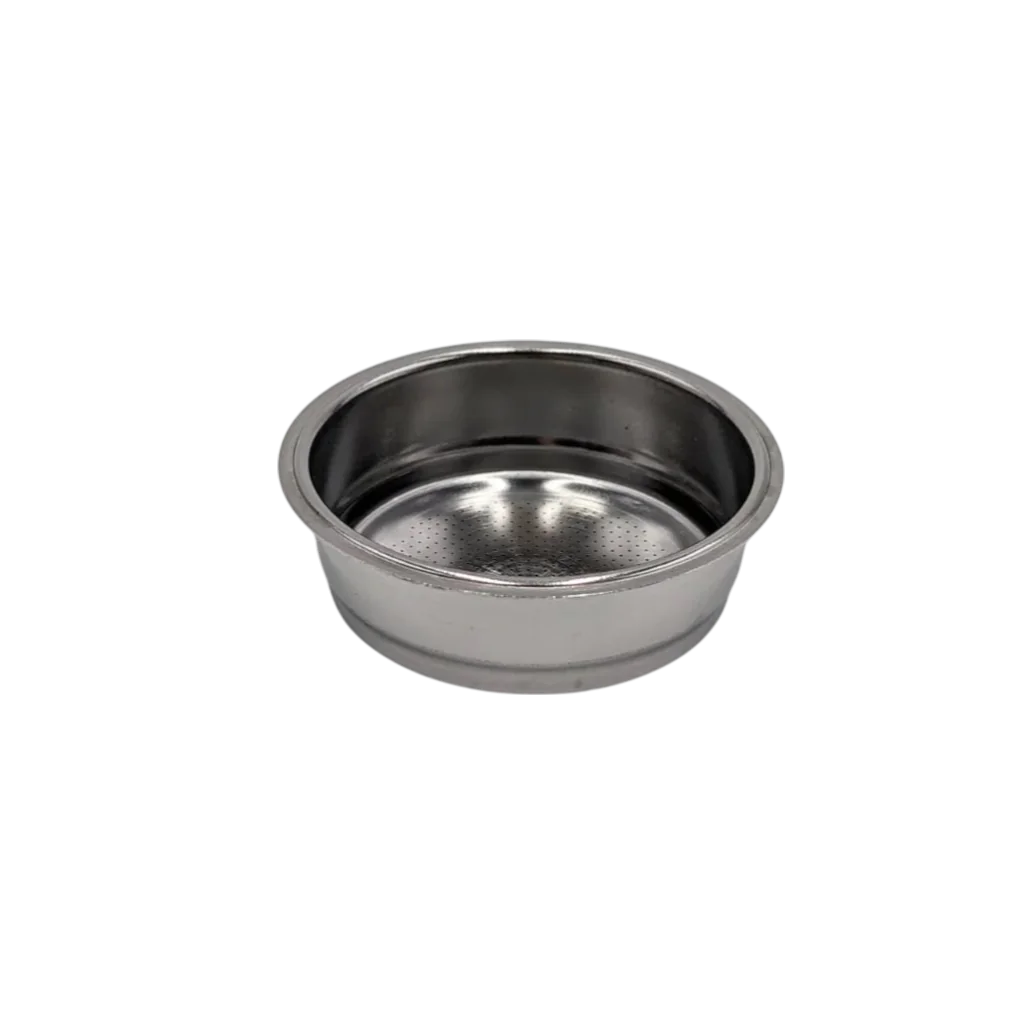
- Good baskets with sensible capacity of 18 to 20 grams.
What's annoying:
- The steam boiler has to keep running because it acts as a heat exchanger to pre-heat the brew boiler water. Even if you just want an espresso.
- Lots of unnecessary accessories included.
- For a Sage machine, relatively high power consumption. Sage shows with other machines how economical it can be.
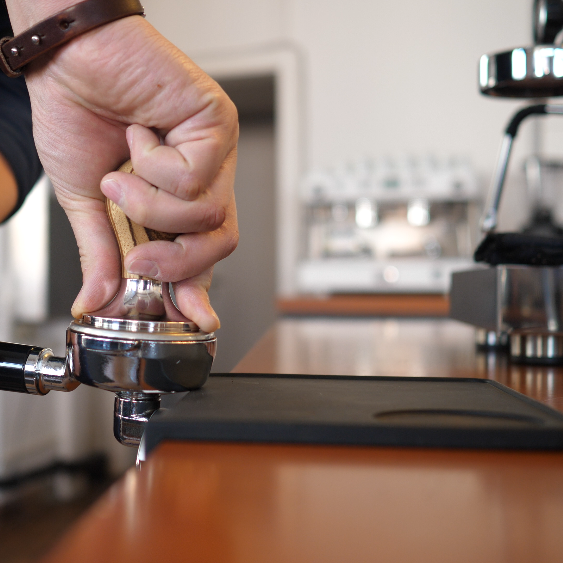
- The tamper doesn't close flush with the basket. Too bad, since it can be stored nicely in the machine.
- Relatively bulky machine, especially in width.
- At 72 decibels relatively loud. More than the volume, the rattling noise during extraction is bothersome.

What the Sage Dual Boiler does differently technically
The Sage Dual Boiler is not comparable to the other Sage machines we've tested. Sage Barista Express Impress, Sage Barista Pro, Sage Barista Touch and Sage Bambino Plus heat brew water and steam not in a boiler, but via thin-film heaters. Except for the Bambino, these machines also have a grinder built in.
With a brew boiler of 0.45 liters and a steam boiler of 0.95 liters, the Dual Boiler takes a different approach befitting its name. This brings advantages and disadvantages. Boilers heat up more slowly, and power consumption is usually higher. On the other hand, heated boilers are more temperature-stable due to their thermal mass once they reach their target. Temperature control then has less to do than with quick-heating and quick-cooling thin-film heaters that lack significant heat storage capacity.
Strategically too, the Dual Boiler takes a different approach. It has to compete with established names in the espresso machine business. While the companies themselves respond with sober calm to Sage now swimming in dual boiler waters, staunch boiler enthusiasts pause for breath.
It's simply hard to accept that a manufacturer, which has sometimes had material difficulties with cheaper models and in our view especially temperature difficulties, presents a good dual boiler for relatively little money.
Yet we see that as precisely our task: to keep looking fresh, to take a new look at every machine, to highlight strengths and weaknesses. Our goal is to find espresso machines that let you make good espresso at home for as little money as possible. The Sage Dual Boiler is just such a machine.
Price: What the Sage Dual Boiler costs in 2026
Most dual boilers cost 2,000 francs and more. You can currently find the Sage Dual Boiler in Switzerland starting from about 916 francs, in the EU area from about 999 euros. It's mainly sold through major online platforms, while specialist retailers rarely list it.
Prices researched on August 11, 2026 via Galaxus (CH, from CHF 916) and Geizhals (DE, from 999 €). Prices fluctuate in trade – check the current status before purchasing.
Buy the machine if possible from a specialist retailer. Ideally from a dealer who calibrates your machine and helps you with the initial settings. A direct contact person is invaluable if something isn't right.

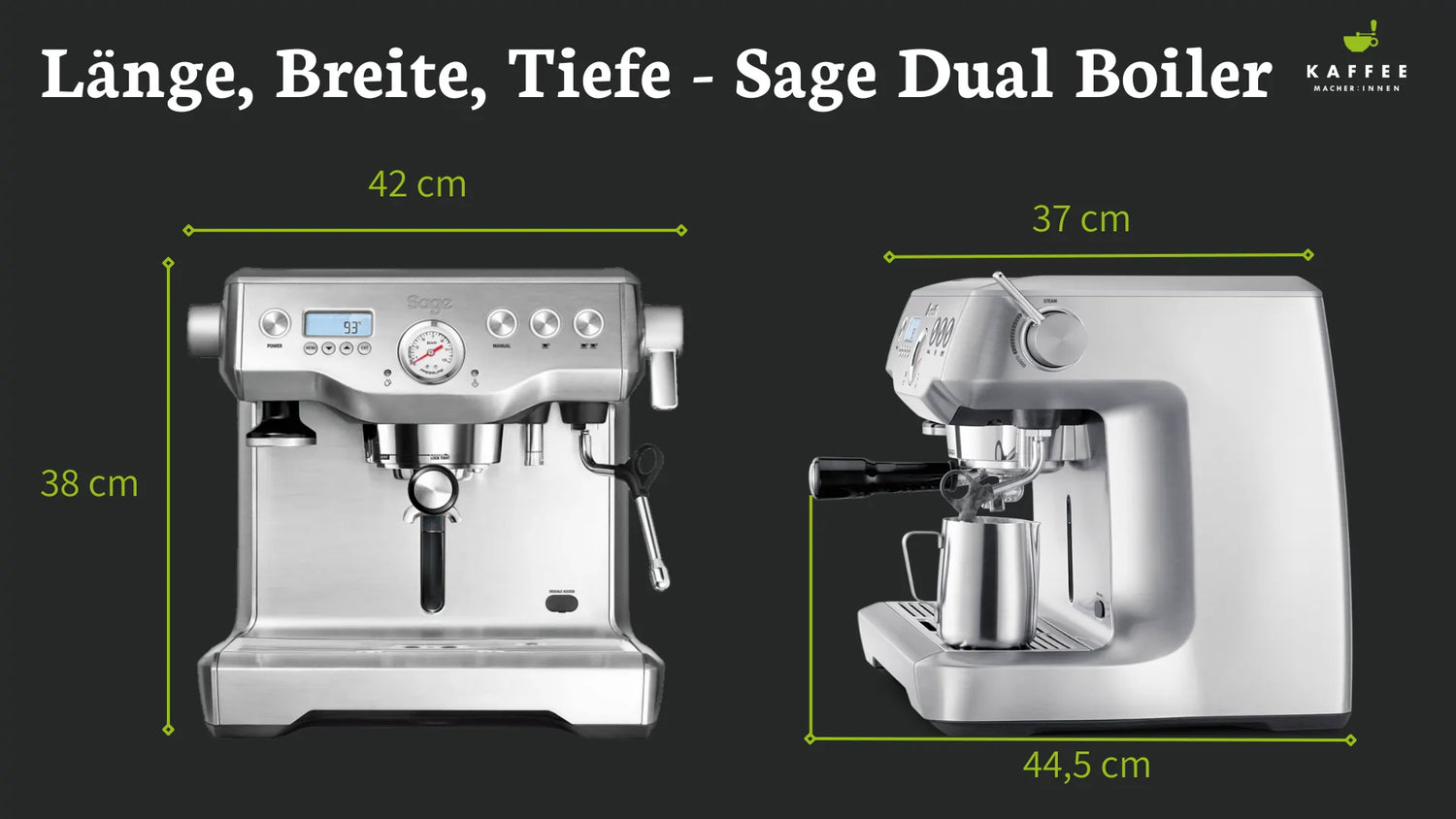
Dimensions and weight: 42 × 37 × 38 centimeters
The Sage Dual Boiler is 42 centimeters wide and 38 centimeters high at the base. The width refers to the entire machine, including the steam wheel on the right and the water steam control on the left. With our cups on the top surface, we get 43.5 centimeters in height. By the way, a lot of cups fit on top, and they warm up nicely. This keeps the espresso in the cup from cooling too quickly and improves the mouthfeel.
The body is 37 centimeters deep. Don't forget the portafilter, which extends beyond the machine: we measure 44.5 centimeters including portafilter. Plan your placement accordingly. At 16 kilos, the Sage Dual Boiler has a solid weight and stable stance. The water tank holds 2.5 liters and can be filled from above or removed from the back of the machine. Practical.
Also practical: If you remove the maximum 1-liter drip tray, a hidden wheel becomes visible underneath that can be extended. This lets you move the machine despite its weight without much effort. Well thought out. For the record: the drip tray can hold more water. Up to 1 liter it's easy to carry and empty, and that's a solid size.
| Feature | Value |
|---|---|
| Model | Sage the Dual Boiler, SES920 (sometimes listed as BES920) |
| Market price | from approx. CHF 916 / approx. 999 € (as of August 2026) |
| Heating system | Dual boiler, steam boiler pre-heats brew water |
| Brew boiler | 0.45 liters |
| Steam boiler | 0.95 liters |
| Temperature control | Dual PID, both boilers adjustable separately |
| Pre-infusion | Duration and pressure or water volume adjustable |
| Volumetrics | Flow time or flow volume programmable |
| Heat-up time | 8 minutes (plus flush shot) |
| Dimensions (W × D × H) | 42 × 37 × 38 cm; 44.5 cm depth incl. portafilter, 43.5 cm height with cups |
| Weight | 16 kg |
| Water tank | 2.5 liters, fillable from top or removable from back |
| Drip tray | 1 liter, with retractable transport wheel underneath |
| Volume | 72 dB |
| Baskets | Double basket for 18–22 g according to manufacturer, we recommend 18–20 g |
| Grinder | no integrated grinder |
Heat-up time: 8 minutes plus flush shot
Plan for at least 8 minutes of heat-up time, even if the display signals readiness earlier. After that comes the flush shot, which also heats the portafilter: leave the portafilter locked in and trigger a double water extraction. Only then does the machine work at temperature equilibrium.
The important point is the steam boiler. It must be turned on because it acts as a heat exchanger to pre-heat the water for the brew boiler. So if you only drink espresso and want to save steam, you don't have a choice here. That impacts power consumption.
Set the brew temperature 1.5 degrees higher via PID control. This compensates for the machine not yet being at temperature equilibrium, and also corrects the relatively slow temperature build-up during extraction. This advice applies especially to high-quality, complex and lighter roasts. With darker, fuller roasts, you can leave the base setting.
Temperature curves and power consumption
Our measurement series according to WBC protocol and the consumption measurement can be found here as charts:


Extracting espresso: our basic recipe
The included double basket holds 18 to 22 grams of coffee according to the manufacturer. We recommend using only 18 to 20 grams. And we generally recommend double extractions: the results are better than from single baskets, and they're easier to adjust.
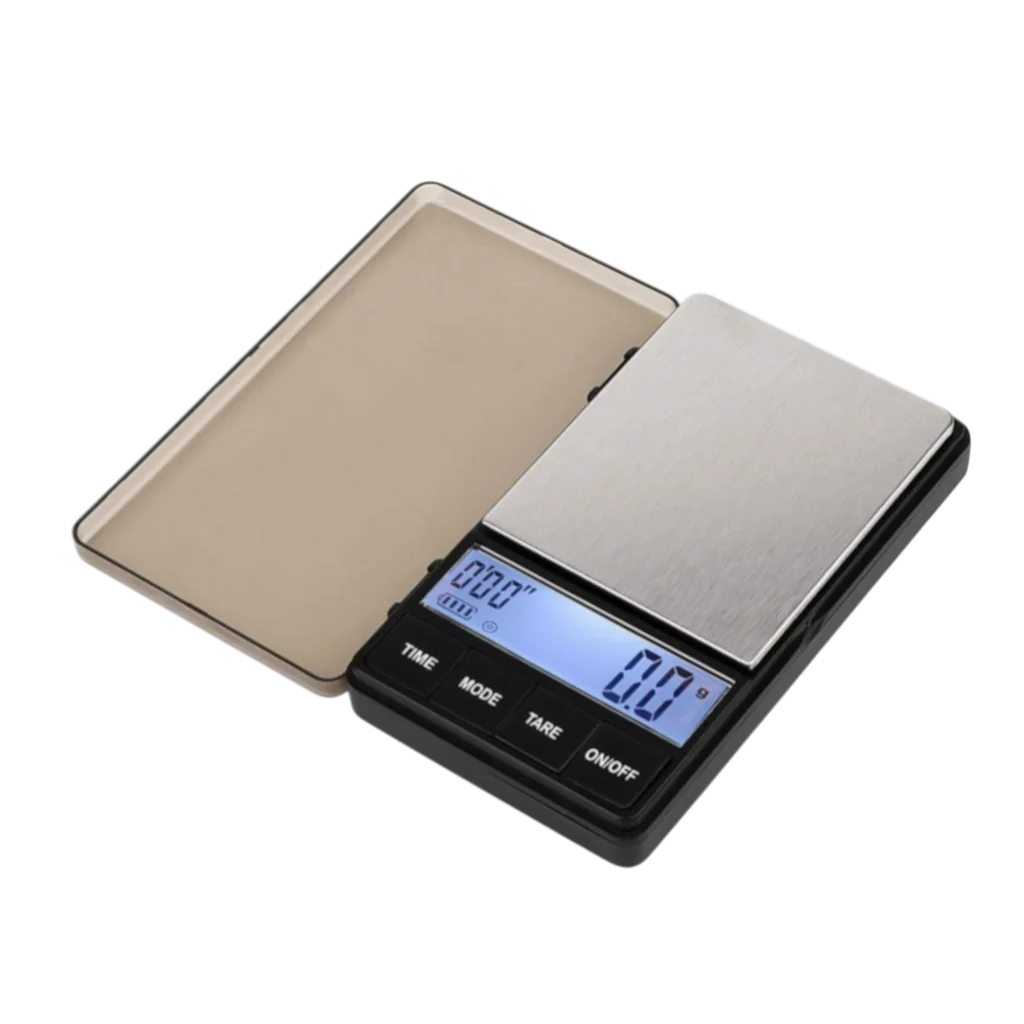
How the procedure works in detail is explained in our guide Making espresso – Step by step. A necessary tool for adjustment is a scale. With this you program the machine's output amount and simultaneously check the amount of coffee used.
Setting pre-infusion and volumetrics
Here the Sage Dual Boiler gets interesting for anyone who likes to tinker. With pre-infusion you don't just set the duration, but also the water volume or the pressure built up in this phase. This lets you get quite a bit more taste out of your espresso – especially with lighter roasts that like gentle pre-brewing.
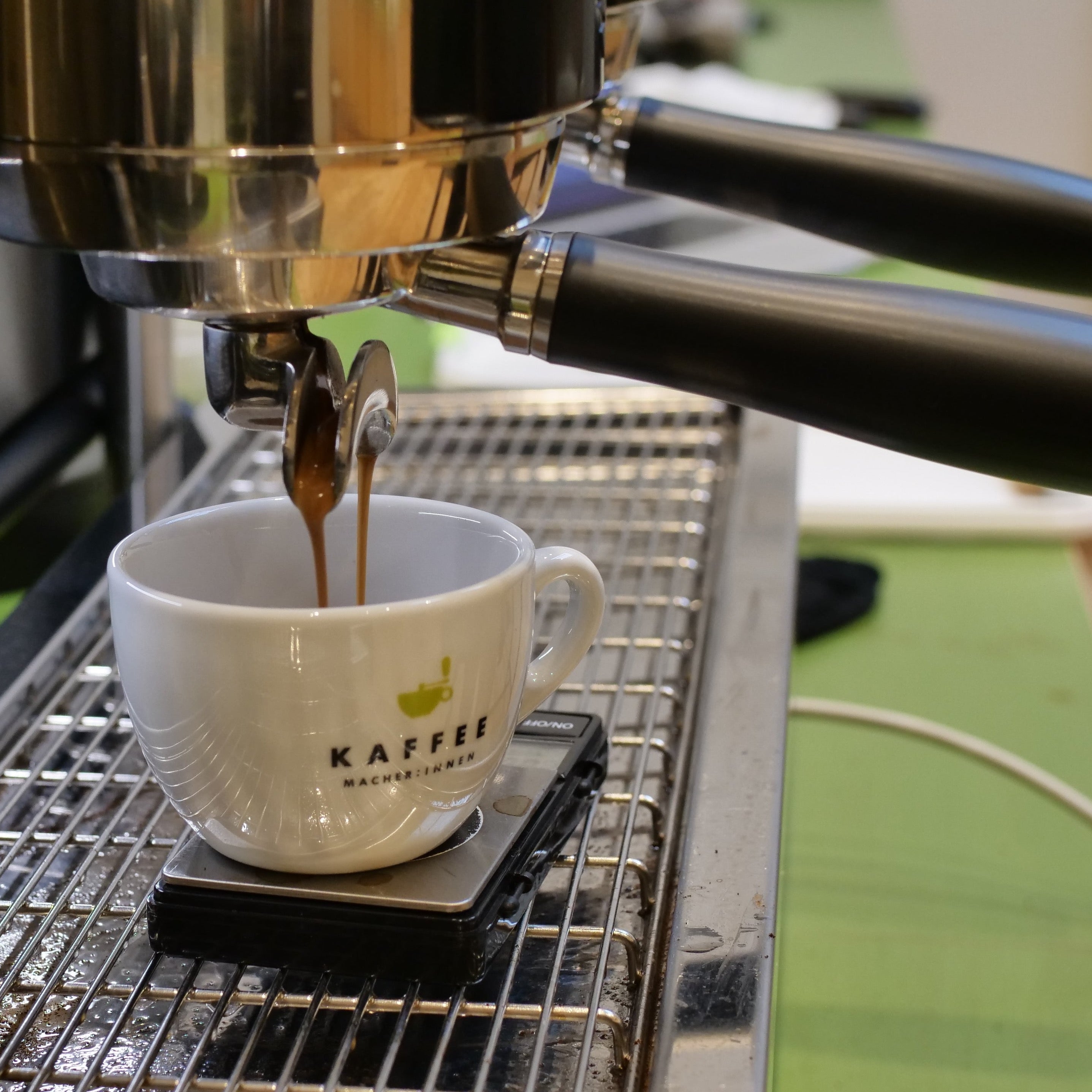
With volumetrics you have a choice: program flow time or flow volume. You won't find volume control on many espresso machines that cost significantly more. We set the dose buttons with the scale under the cup and then control a few extractions afterwards, because the output volume shifts with the grind size.
Then come little things that make daily use fun: automatic start time in the morning, separate PID values for brew and steam boiler and the ability to offset the machine to your coffee profile.
Sage Dual Boiler or Sage Oracle Dual Boiler?
Sage has a second dual boiler machine with the Oracle, and the two are regularly confused. The difference is big – in price and concept.
The Sage the Oracle Dual Boiler costs around 2,600 euros (EU price from our test) and automates the entire chain from grinding to milk frothing. It has an integrated grinder, heats up in about 4 minutes and scores 86 out of 120 points in our test. The weak point: the dosing accuracy of the built-in grinder varies, and that costs reproducibility.
That's exactly where the cheaper Dual Boiler's strength lies. It has no grinder – giving you the choice. For the difference of well over 1,500 francs you can buy a very good espresso grinder and still have money left over.
| Machine | Price | Grinder | Heat-up time | For whom? |
|---|---|---|---|---|
| Sage the Dual Boiler | from approx. CHF 916 | none | 8 minutes | Those who want to tinker themselves and choose the grinder freely |
| Sage the Oracle Dual Boiler | approx. 2,600 € | integrated | 4 minutes | Upgraders from fully automatic machines who want comfort |
Those looking even more toward comfort will find a third variant in our test of the Sage Oracle Jet. And if you want to place the Sage Dual Boiler in a larger context: In the overview of all dual boiler espresso machines there are over 30 tested machines with measurements side by side.
Where you can buy the Sage Dual Boiler
We don't sell espresso machines ourselves – by choice, so we can test independently. The Sage Dual Boiler is mainly sold through major online platforms. Specialist retailers rarely list it or show it online.
Our advice remains: Ask first at a specialist shop near you. If nothing works there, the platforms are the pragmatic way. Pay attention to what warranty you get – some dealers give five years on the machine.
And if you're looking for a matching grinder: The combination of Dual Boiler and a separate grinder is the real appeal of this machine. You'll find our recommendations in the overview of espresso grinders for home use.
Frequently asked questions about the Sage Dual Boiler
No. It has two separate boilers each with its own PID control, one for espresso at 0.45 liters and one for steam at 0.95 liters. However, the steam boiler does pre-heat the water for the brew boiler – that's why it has to keep running. A heat exchanger works differently: it has only one boiler and a heat exchanger inside it.
8 minutes, even if the display signals brew readiness earlier. After that you should do a flush shot with the portafilter locked in. Those who want to extract faster should set the PID temperature 1.5 degrees higher.
According to the manufacturer, 18 to 22 grams fit in the included double basket. We recommend 18 to 20 grams and aim for 36 to 45 grams of espresso in the cup at about 25 seconds.
The machine has no integrated grinder, so you're free to choose. We recommend a grinder that grinds espresso-fine and evenly – you'll find specific models in the overview of espresso grinders for home use. Sage itself offers the Smart Grinder Pro as a combination, sometimes as a bundle under the name "the Dynamic Duo".
In Switzerland from about 916 francs, in the EU area from about 999 euros (as of August 2026). This makes it significantly cheaper than most dual boilers, which start at 2,000 francs.
We measure 72 decibels. More bothersome than the volume itself is the rattling noise during extraction.
Conclusion
The Sage Dual Boiler dispels a prejudice: A dual boiler doesn't have to cost 2,000 francs to work technically cleanly. Two separately controllable boilers, adjustable pre-infusion and programmable dose buttons – that's a feature set that even machines costing significantly more have to measure up to.
Who is it for? For anyone who wants to tinker with espresso themselves and choose the grinder freely. If you get going after 8 minutes of heat-up time and a flush shot, you'll get a temperature-stable machine with plenty of room for adjustment. If you need to be done in 30 seconds in the morning, you're better off with a thin-film heater.
Where it falls short: The steam boiler always has to heat along, power consumption is high for a Sage, it's wide and at 72 decibels not quiet. The rattling extraction noise bothers more than the pure volume. And the tamper doesn't close flush – a detail that shouldn't be present on a machine with this caliber of claims.
Value for money: Strong. For around 920 francs plus a good grinder you get a setup that doesn't have to hide from machines at double the price. That's exactly why we're continuing to work with it.
Please let us know in the comments what your experience with the machine is. That supplements our test and helps others interested in it.
Thanks in advance,
Michel and Benjamin
As always, we sourced this espresso machine ourselves. This test was not requested by Sage.