



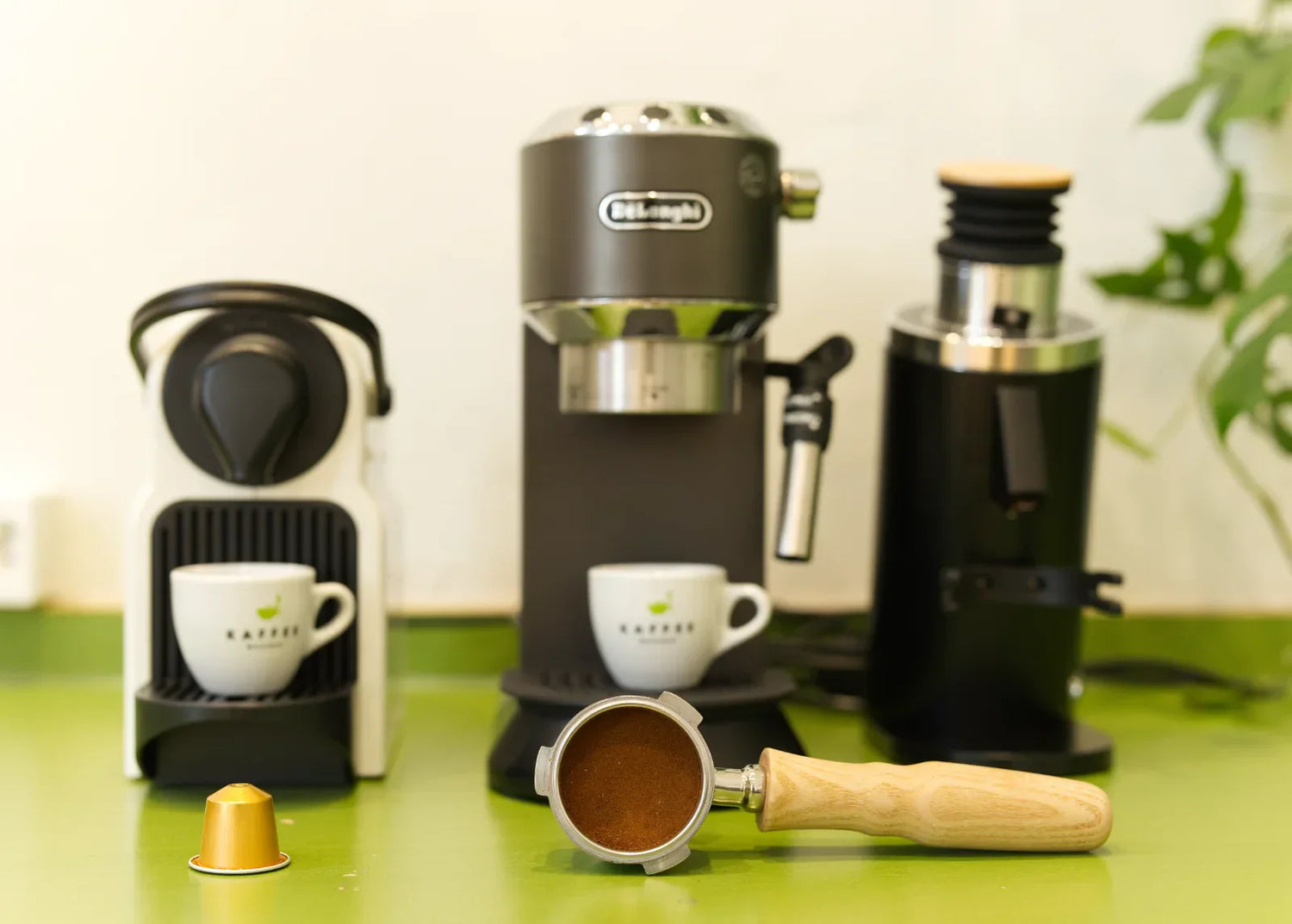

You have a capsule coffee machine and are thinking about switching to a portafilter machine. What changes? Is it really that complicated? And does the coffee taste better afterward?
In short: A lot changes. It's not complicated. But there's a learning path ahead of you. And the espresso? It'll literally knock your socks off.
We'll show you what you need to know before buying, which accessories are truly necessary, and how to pull your first espresso shot successfully.
Capsule vs. Portafilter: What's the Real Difference?
A capsule machine is designed for maximum convenience: capsule in, press button, done. Pre-dosed coffee powder, fixed water amount, no mess, minimal effort. The result is a functional espresso, but not a particularly good one.
The main reason is the drink ratio. A typical capsule machine brews with around 5 grams of coffee and fills the cup with 50 to 70 grams of water. That's a ratio of about 1:10. The espresso is thin, lacks body, and has no texture.
With a portafilter, we brew with 16 to 18 grams of coffee and pull about 45 grams into the cup for a double espresso. Ratio: 1:2.5. The ratio is the same for a single espresso. This is a fundamentally different drink. Stronger, fuller, silky. None of that comes out of a capsule.
| System | Coffee Amount | Output | Ratio | Character |
|---|---|---|---|---|
| Capsule Machine | ~5 g | 50–70 g | ~1:10 | Thin, watery, little texture |
| Portafilter | 16–18 g | ~45 g | ~1:2.5 | Strong, full-bodied, silky |
Your first sip of espresso from your own portafilter machine might shock you. This espresso is strong. Exactly as it should be. But also exactly as you get it at the first Italian gas station on the way south.
For more details on what's actually in a capsule and why the system limits taste, check out our article How Do Coffee Capsules Work?

The Grinder Comes First, Not the Machine
This is the most important sentence for everyone starting out: The grinder is more important than the espresso machine.
An espresso machine is essentially hot water under pressure. What controls the espresso is the grind size. Ground too coarse, water runs through too quickly and the espresso becomes watery and under-extracted. Ground too fine, too much resistance builds up and the shot either takes forever or stops completely. Your grinder is your strongest tool.
As a rule of thumb, we recommend: Split your budget in half. 50 percent for the portafilter machine, 50 percent for the grinder. If you invest 600 francs, buy a machine for 300 and a grinder for 300 francs, not a 500-franc machine with a cheap grinder.
For beginners, there are now excellent grinders under 300 francs. The G-Iota DF54 is a well-known example with excellent value for money. If you want to approach grinder selection systematically, you'll find an overview by design type and budget in the grinder articles.
Hand grinders also work very well with a portafilter machine if they grind fine enough. Electric grinders are more convenient for daily use. But if you use a hand grinder in the morning, you'll also have a more relaxed routine. We stock several hand grinders and provide recommended grind sizes for espresso.
Portafilter machines with built-in grinders sound practical. We advise against them: The integrated grinders are almost always the weakest part of such combination machines. More on that here.
The Accessories You Really Need
Besides the machine and grinder, you'll need a few more things. The list is manageable.
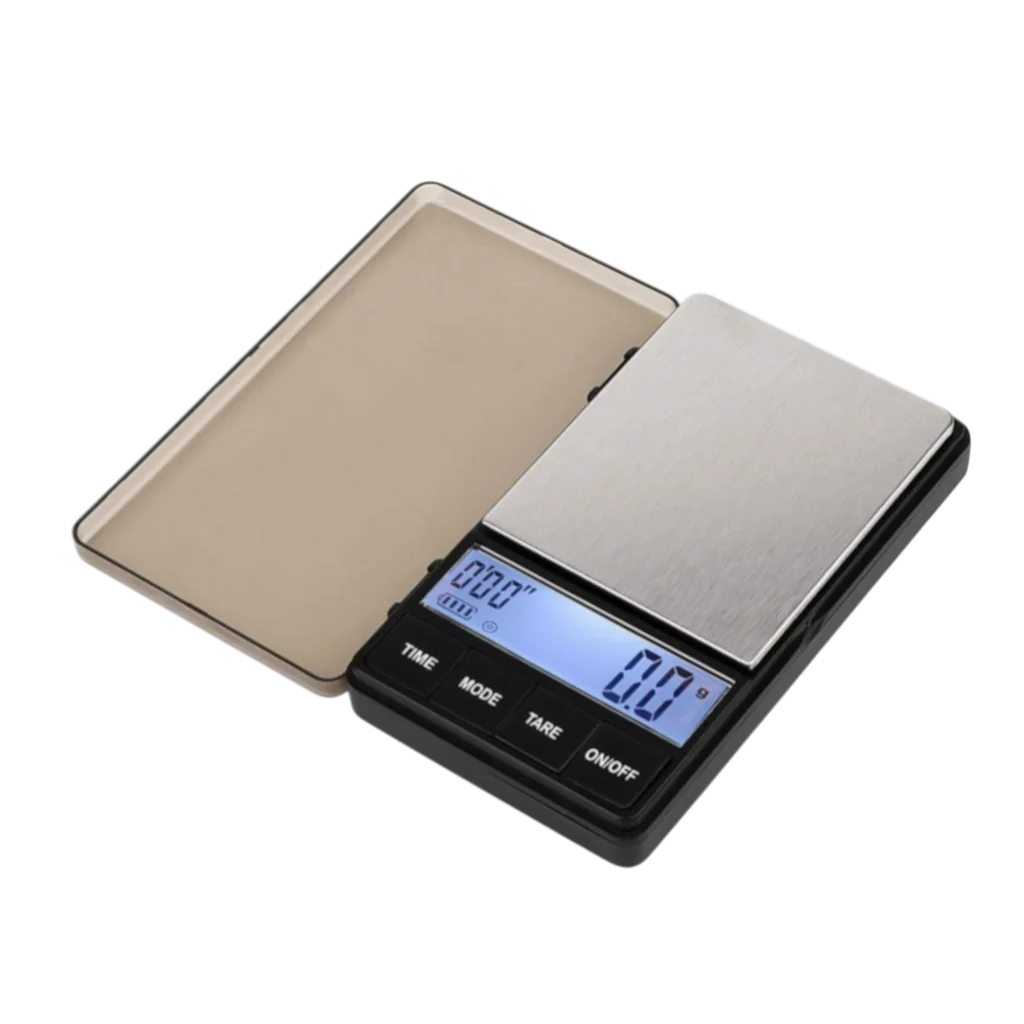
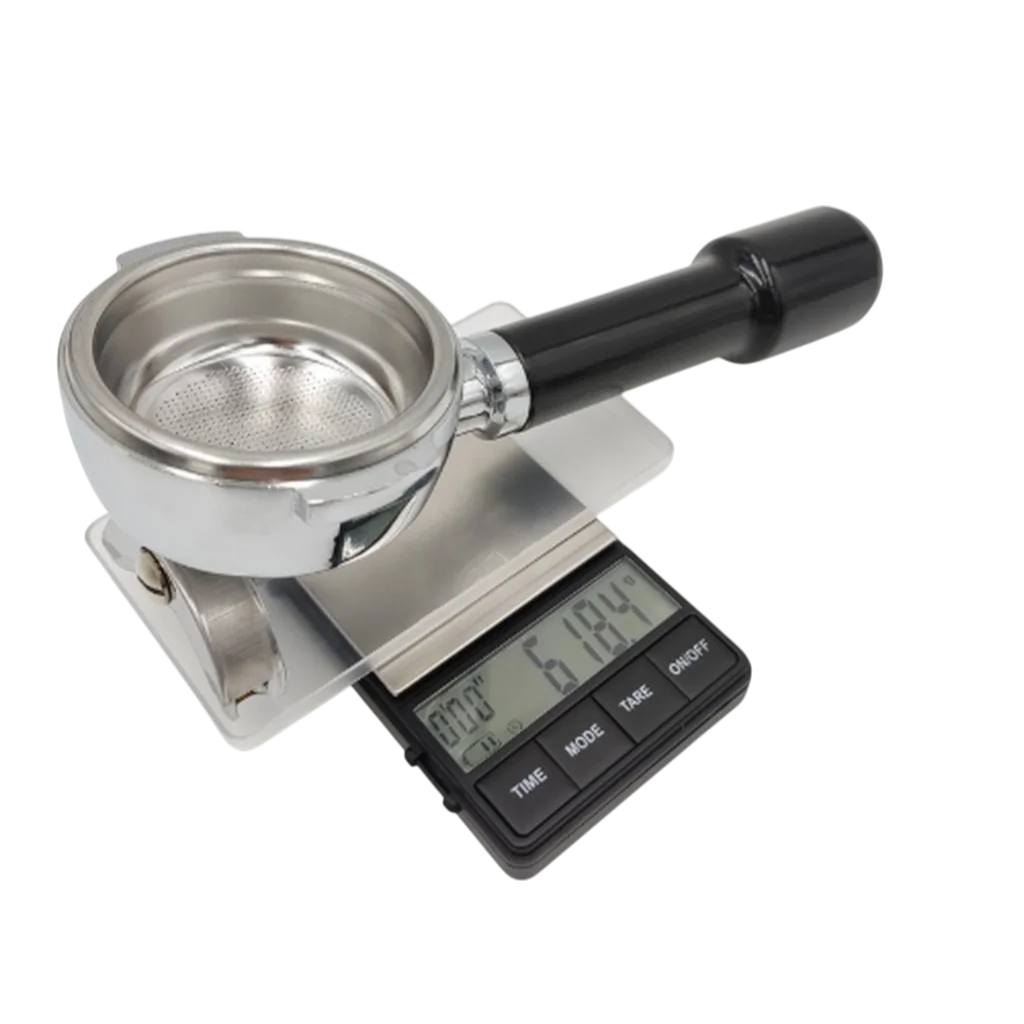
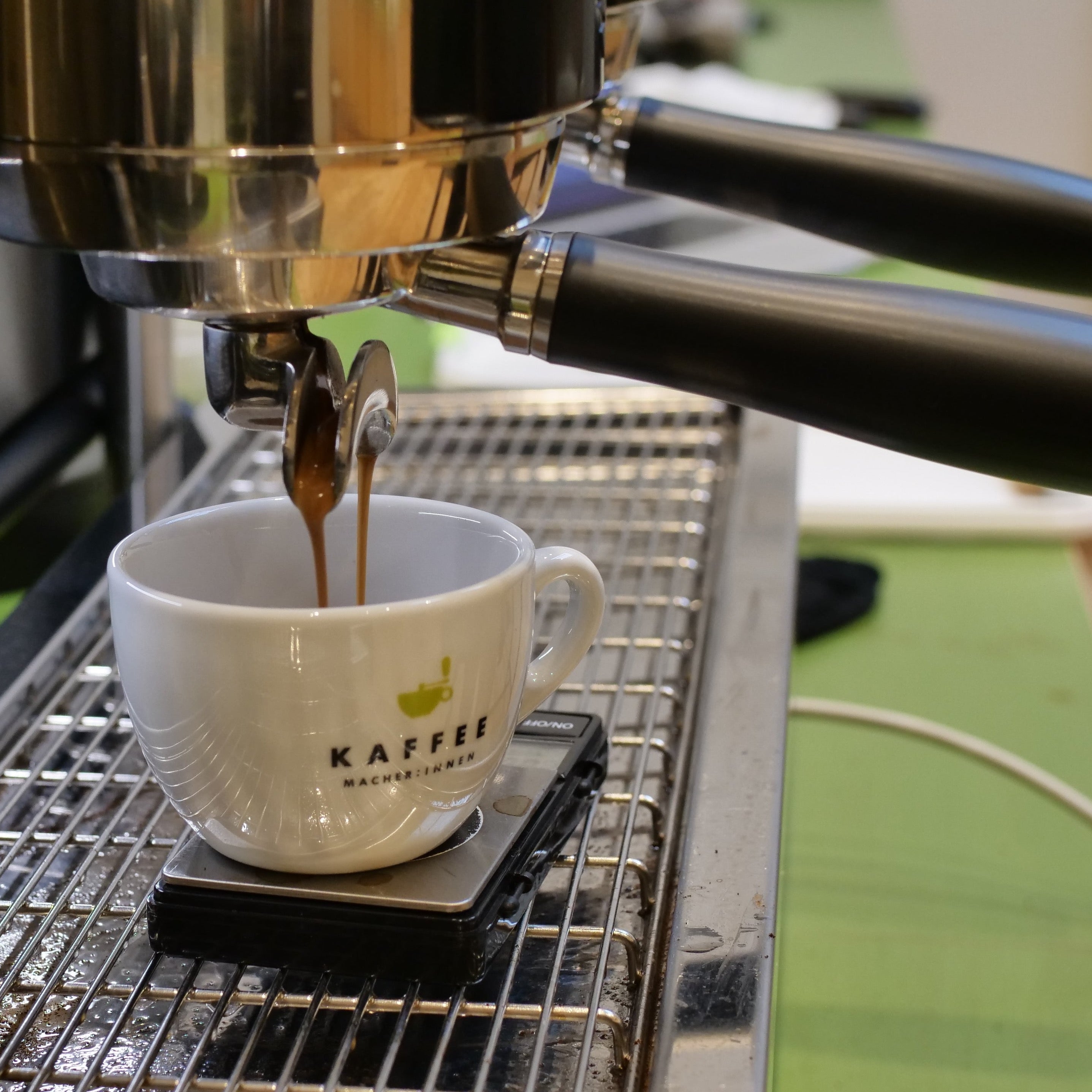
Scale (Essential). This is the most important thing. You need to know how much coffee you use and how much espresso lands in your cup. Without a scale, you can neither work reproducibly nor adjust the grind size meaningfully. A simple kitchen scale works for starters. Our espresso scale with timer.
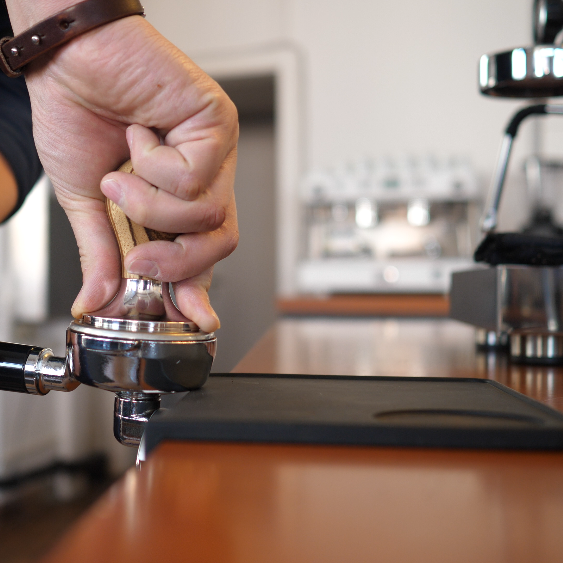
Tamper. For evenly compressing the coffee powder in the portafilter. Often comes with the portafilter. But a good tamper with the right diameter makes the job noticeably easier. Tampers in the shop.
Knock Box. The container where you knock out the spent coffee puck. You can knock it directly into the trash, but the basket tends to fall out. Our knock box.
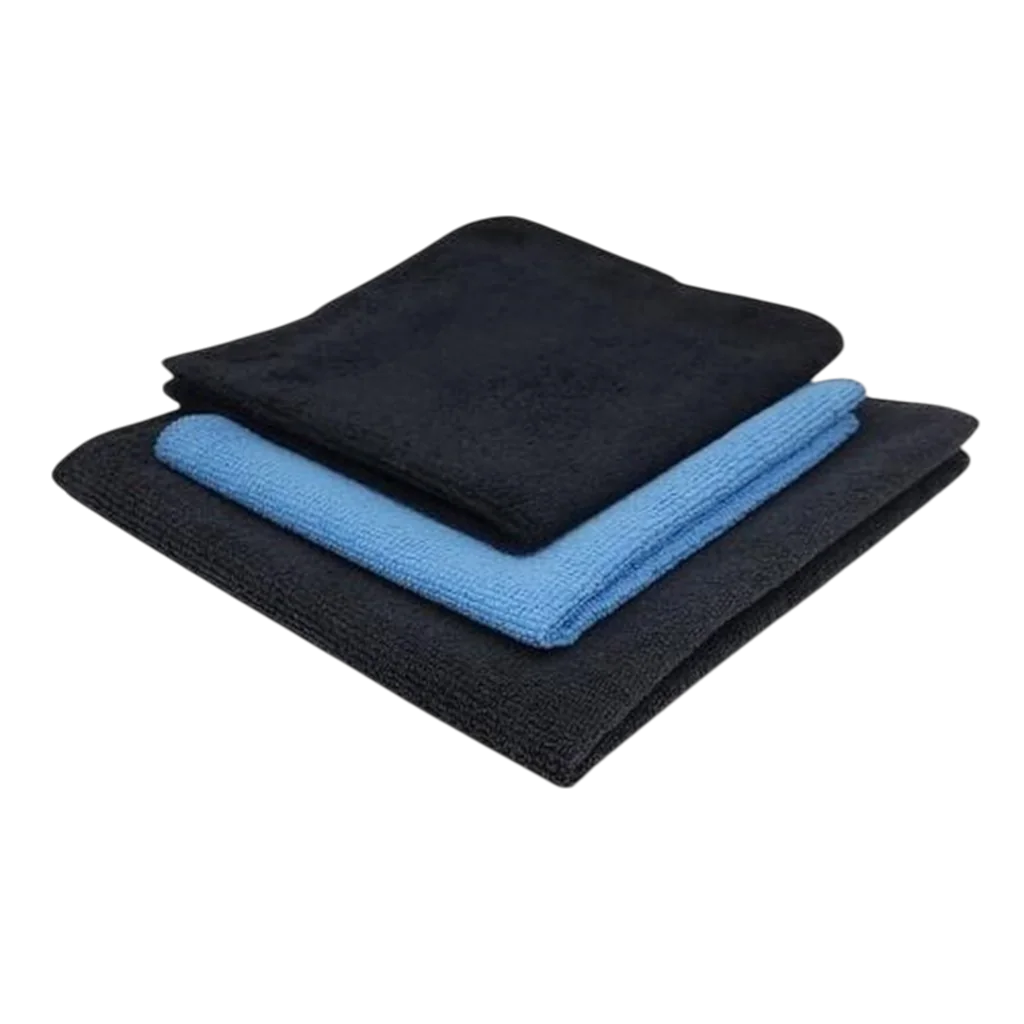
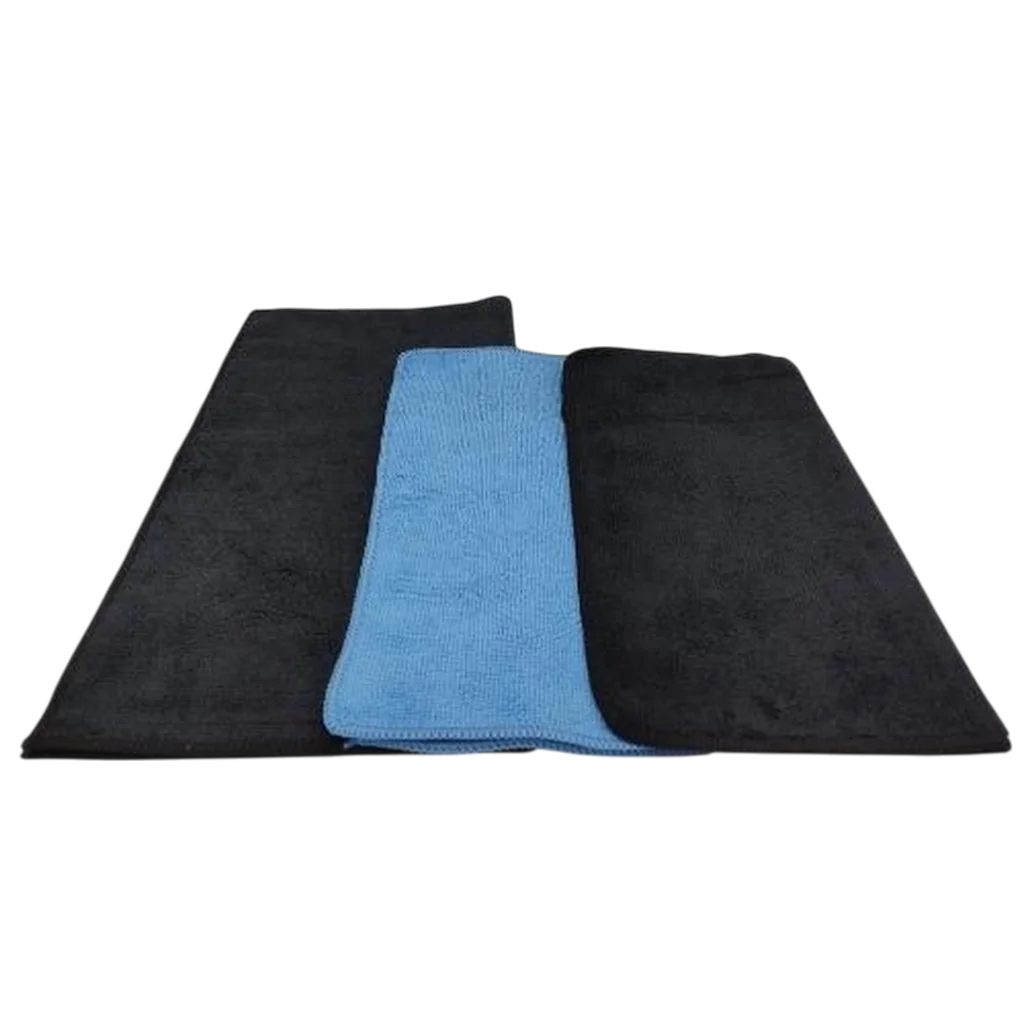
Barista Cloths. You need at least two separate cloths: one for the portafilter, one for the steam wand. Never use the same one for both. Barista cloths in 3-pack.
Milk Pitcher. If you want to steam milk, you'll need a pitcher. We've developed our own stainless steel versions that bring joy for both beginners and advanced users. Milk pitchers in the shop.
Plan for roughly twice as much space as your capsule machine takes. Machine, grinder, knock box, scale—it all needs room. If you have a narrow kitchen, measure before you buy.
Making Espresso: Step by Step
The workflow on a portafilter becomes routine after a few tries. Here are the parameters, assuming a double basket that holds 16 to 18 grams of coffee. For smaller baskets, keep the brewing ratio and scale down proportionally.
Grind size is your most important adjustment. If the espresso runs through in under 20 seconds, the coffee is ground too coarse: grind finer. If it's too slow or stops, it's too fine: grind coarser. This is how you dial in the right setting.
"Put a small piece of paper and a pen next to your espresso machine and quickly note: how much coffee, grind setting, output grams, brew time, and how it tasted. After a few tries, you'll have your recipe and can always return to it."
More on extraction time: Espresso Extraction Time Explained | Full guide: Making Espresso

The Three Most Common Beginner Mistakes
These mistakes happen to almost everyone. It's good to know about them beforehand.
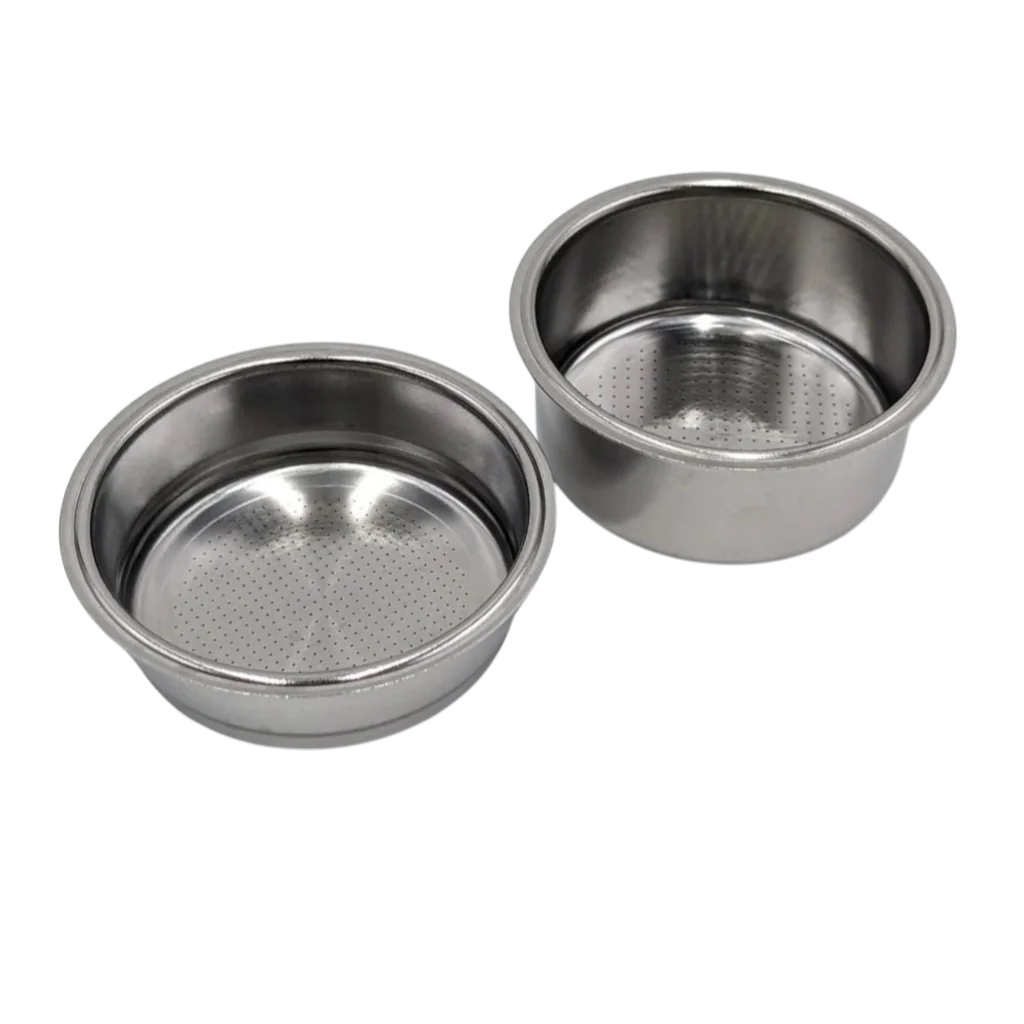
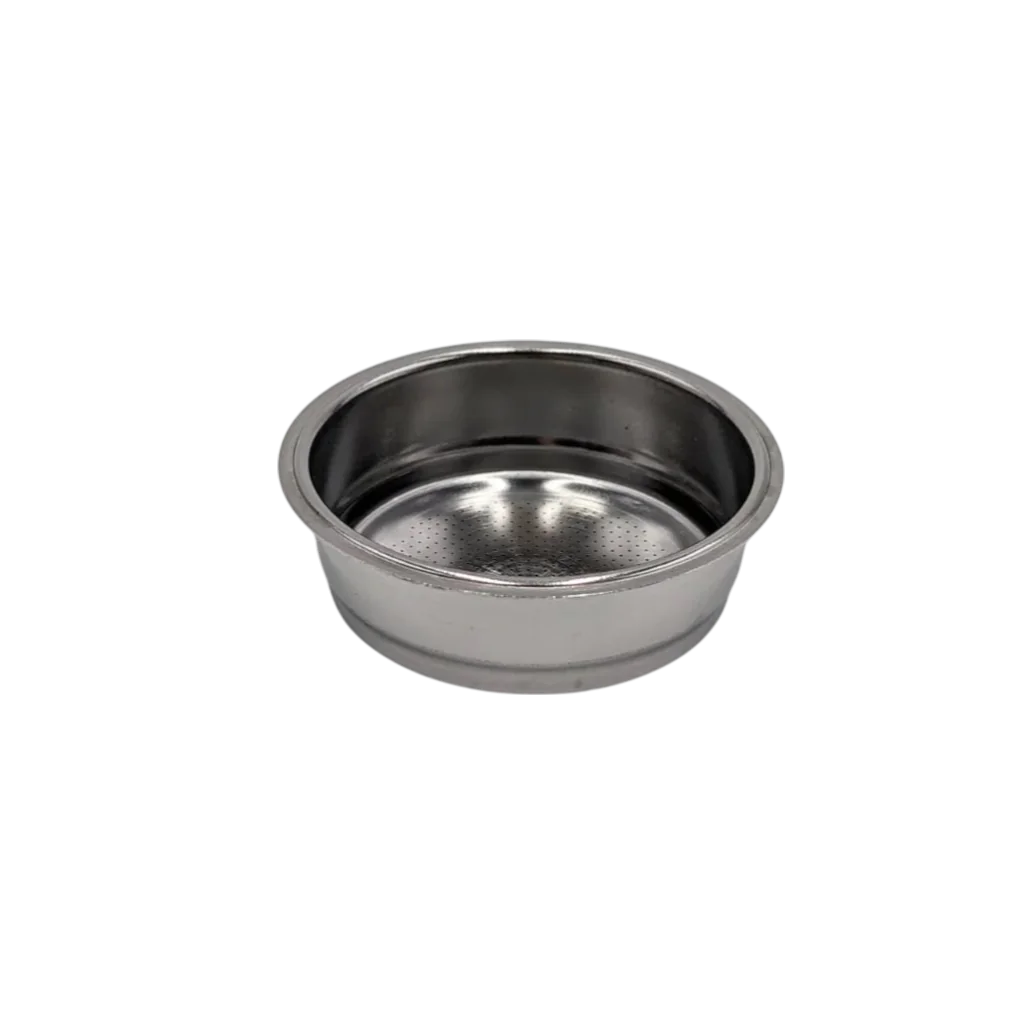
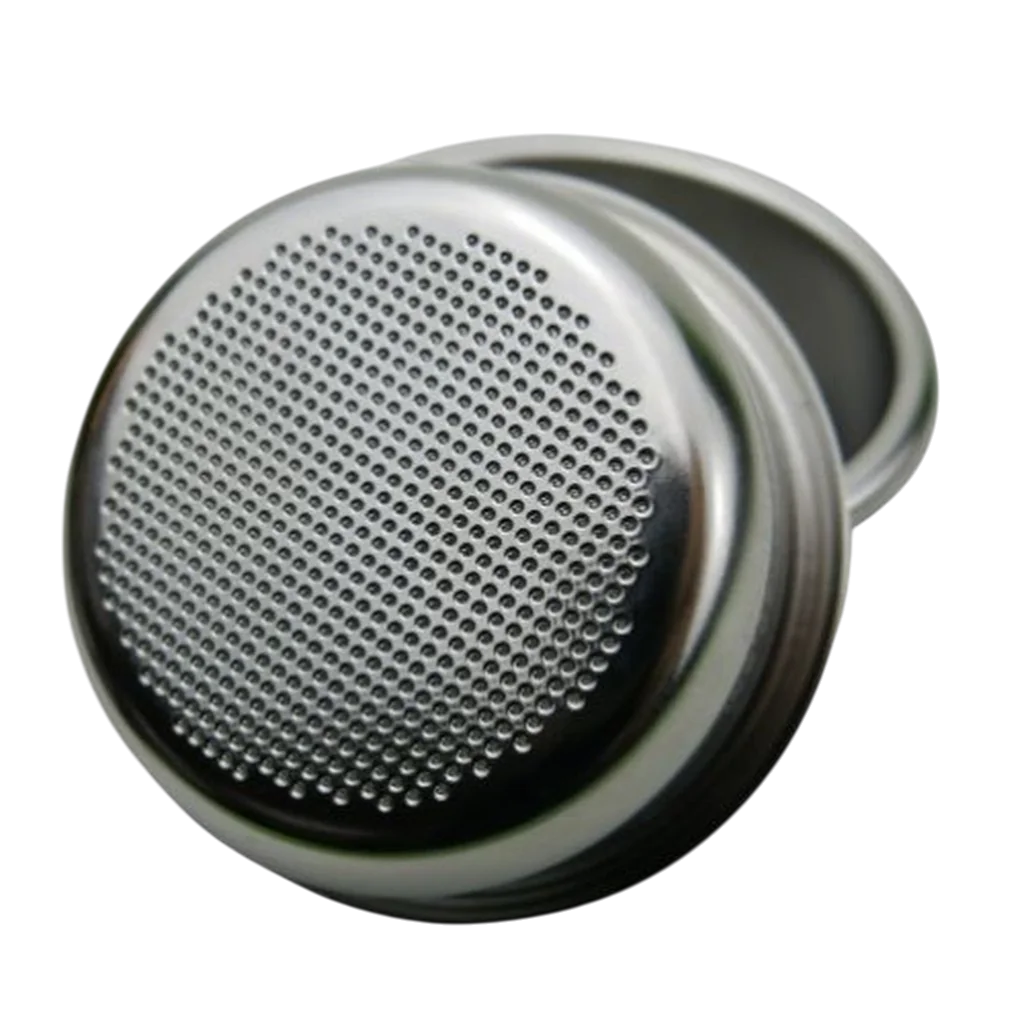
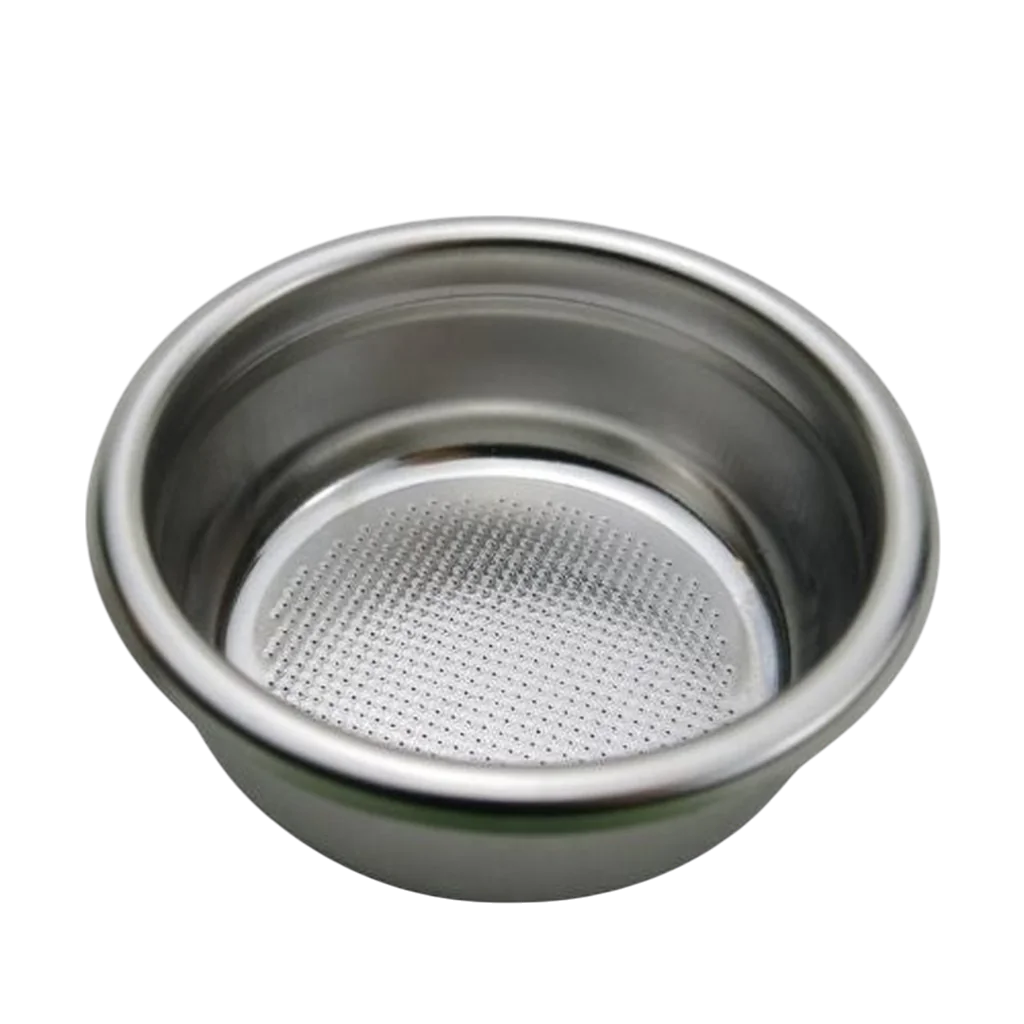
1. The double-wall basket. Many entry-level portafilter machines, including the De'Longhi Dedica, come with a double-wall basket. This basket has only a single opening on the bottom instead of many small holes. It creates artificial back pressure and thus crema, regardless of how fresh or coarse the coffee is.
The problem: You don't get honest feedback on your grind size. The result looks the same no matter what you do. Switch to a single-wall basket as early as possible. Double-wall vs. Single-wall Basket
2. Stale coffee. Fresh coffee releases CO₂ during brewing and builds resistance. Old coffee no longer does. Only buy coffee that's at most two months old from the roast date. Good roasters print the roast date on the package.
3. Machine not properly preheated. A machine like the Dedica shows readiness after a few minutes, but the portafilter is still cold at that point. Solution: Run a blank shot with hot water through the locked-in portafilter first, then pull your espresso.
If you want to dive deeper: In the article 20 Mistakes When Making Espresso we cover all the typical problems that happen at the portafilter.
Which Coffee Is Right for Capsule Switchers?
Those coming from capsule machines are usually used to dark, strong flavors: chocolatey, slightly bitter, heavy body. That's a good starting point.
Start with espressos that are dark roasted and forgiving. Even if you make mistakes at first, the result still tastes good. Lighter roasted coffees are complex and rewarding, but they forgive little when it comes to grind size and brew temperature.
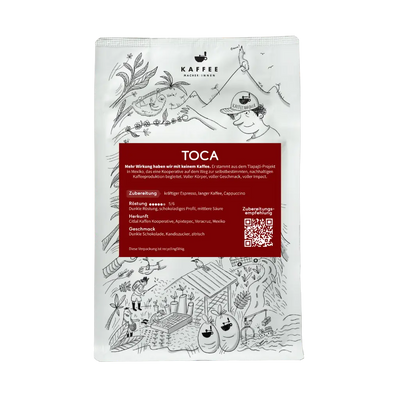
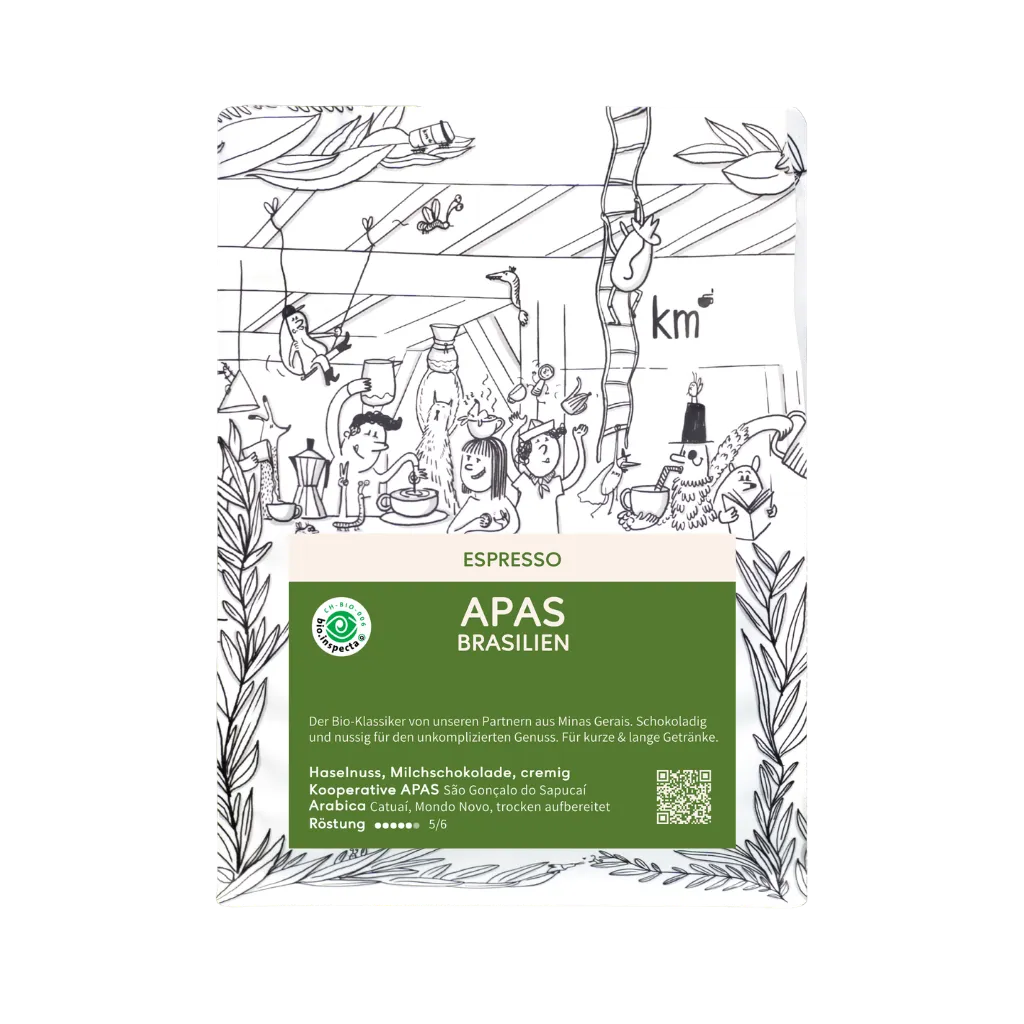
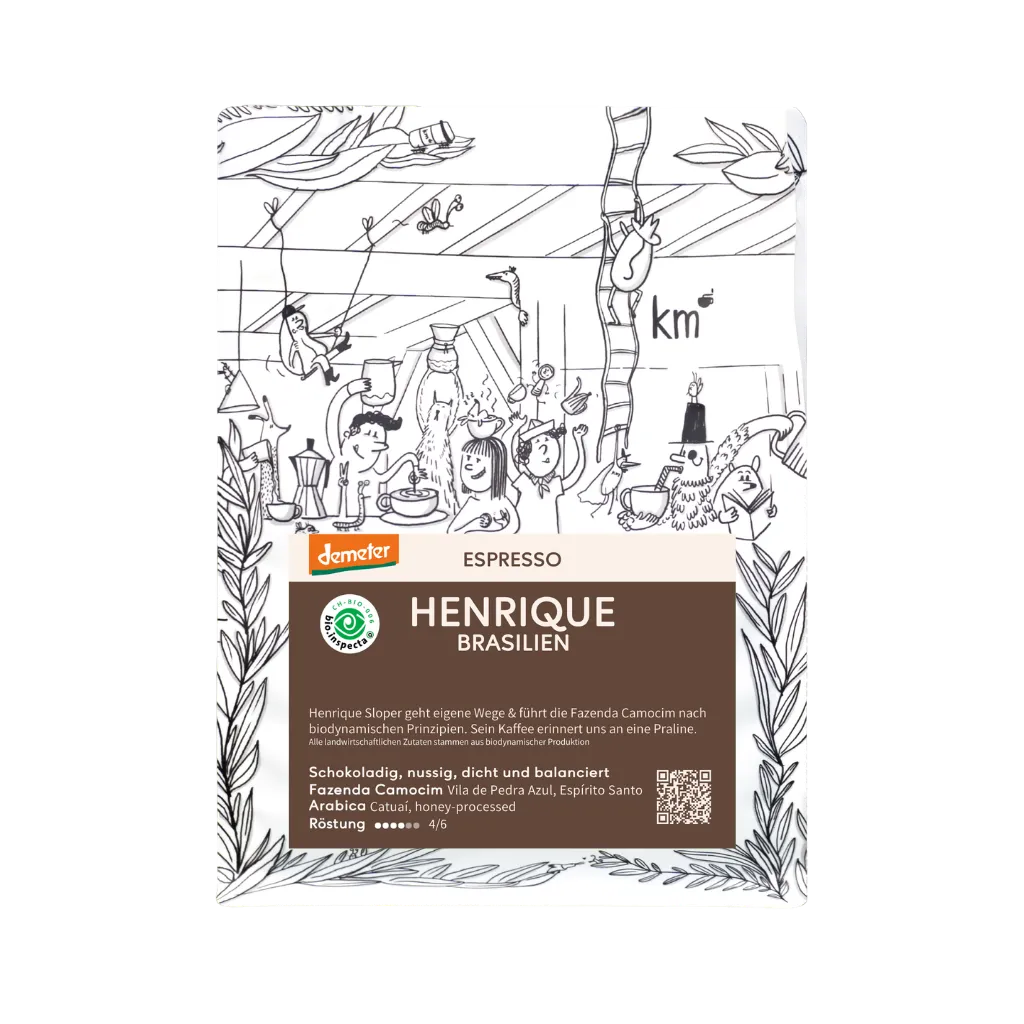
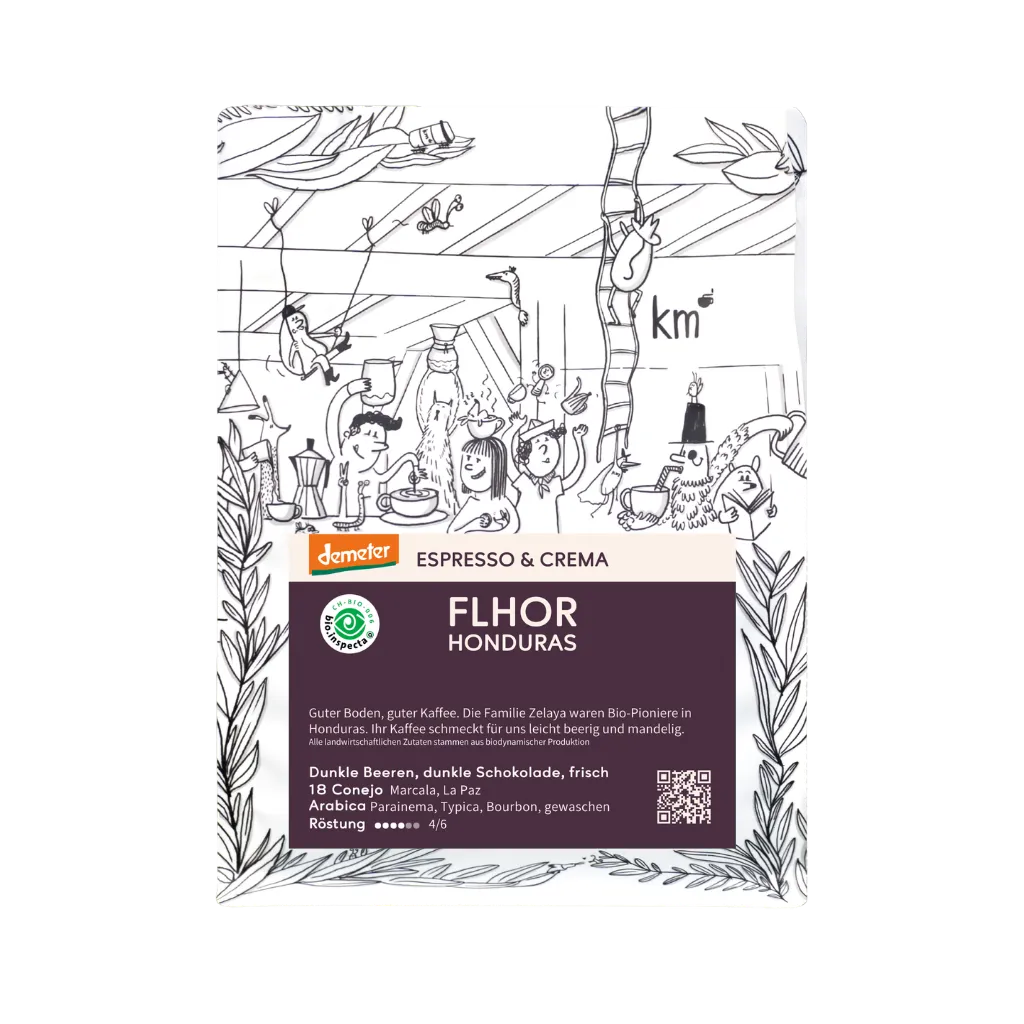
Our Compadre works well as an introduction: strong, chocolatey, classically Italian, and very forgiving to make. If you want a slightly more complex start, the Apas is a good choice. If you want to try different styles first, the Espresso Tasting Set is a good starting point.
Over time, you'll discover your taste and can work your way deeper into the world of specialty coffees. But there's no rush.
Summary
Switching from a capsule machine to a portafilter is a real decision: more space, more accessories, a small learning curve. But the curve is short. And what awaits on the other side is an espresso that's nothing like what comes from a capsule.
The key takeaways: Buy a good grinder first, not the most expensive machine. Invest in a scale. Get fresh coffee. Write down your first recipe.
For the fastest start, we recommend a Home Barista Course. Still unsure which machine is right for you? Which Espresso Machine Is Right for Me?