









There they stand. The sleek espresso machine and the high-quality grinder, both polished to a high shine and maybe already sent to a friend or two in a photo. But you yourself are standing in front of them feeling a bit frustrated, because your espresso just won't turn out right? Too sour? Too rancid? Somehow just not convincing?
In this post, we'll walk through 20 mistakes in preparing your espresso. If you follow all the tips, you'll be taking a good step toward a great espresso. Let's get started:
1. The dirty portafilter
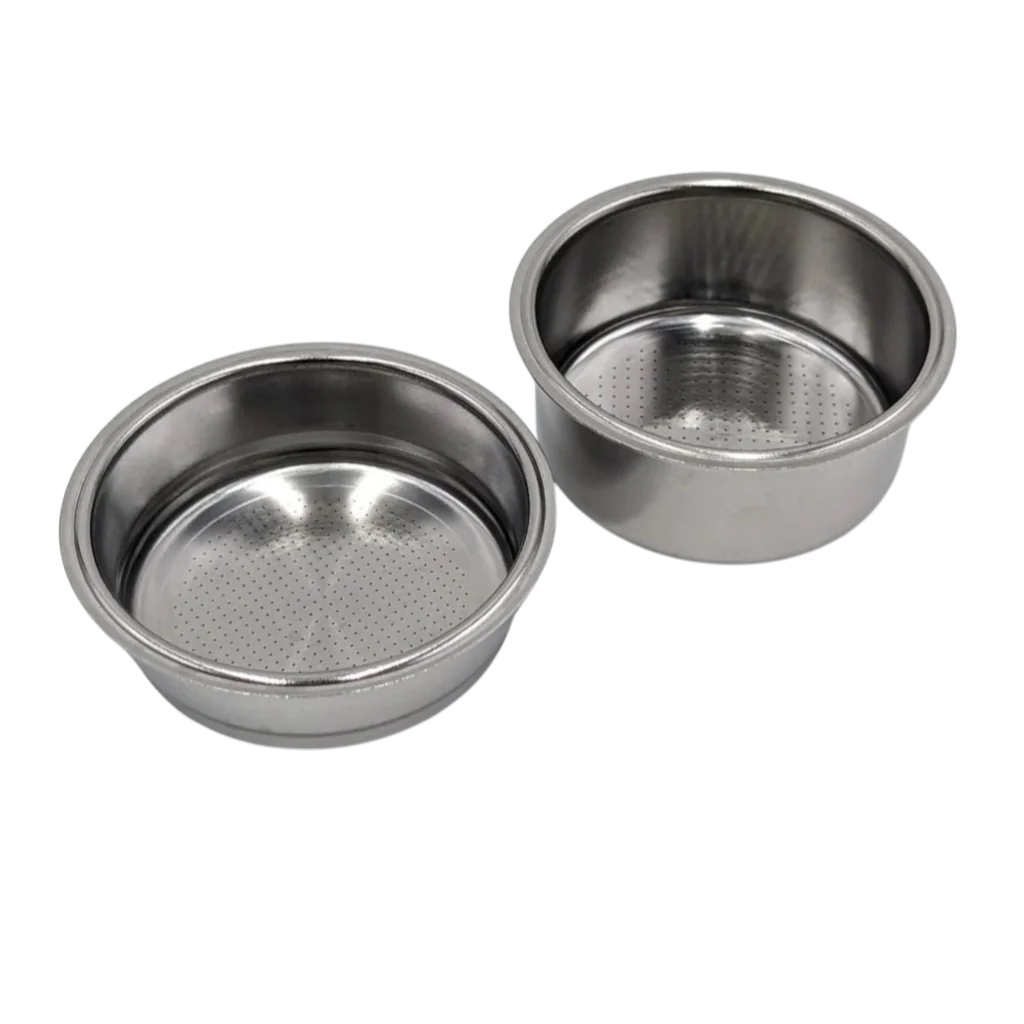
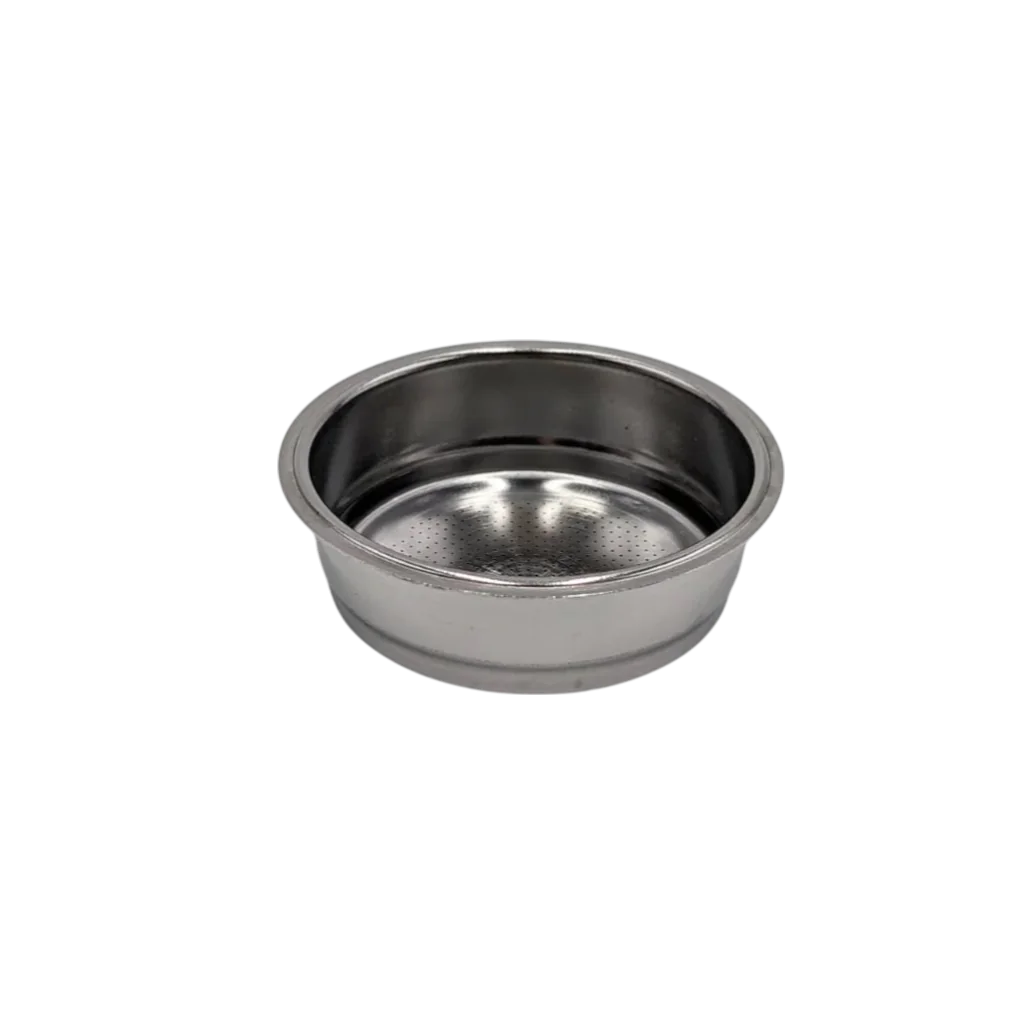
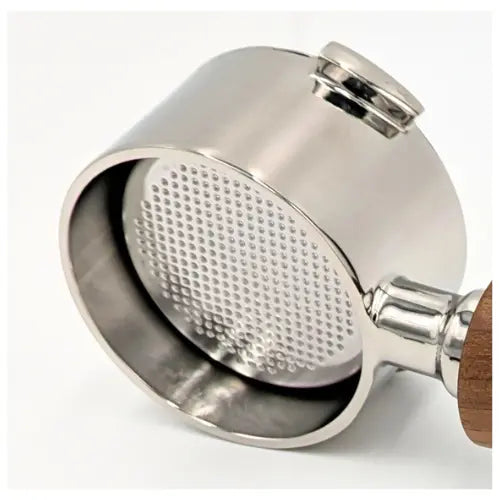
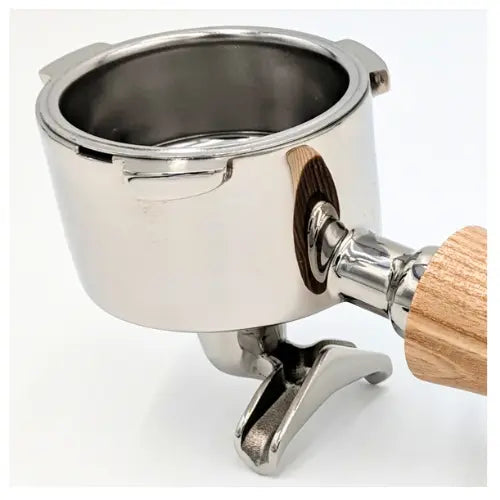
The portafilter should be clean and free of old coffee oils. To do this, regularly remove the basket from your portafilter and clean both the back of the basket and the inside of the portafilter.
2. The dirty espresso machine
Residue also remains in the shower head. Old coffee grounds, oils, or other contaminants. Regular cleaning is a must. You'll find out how here.
3. Uneven tamping
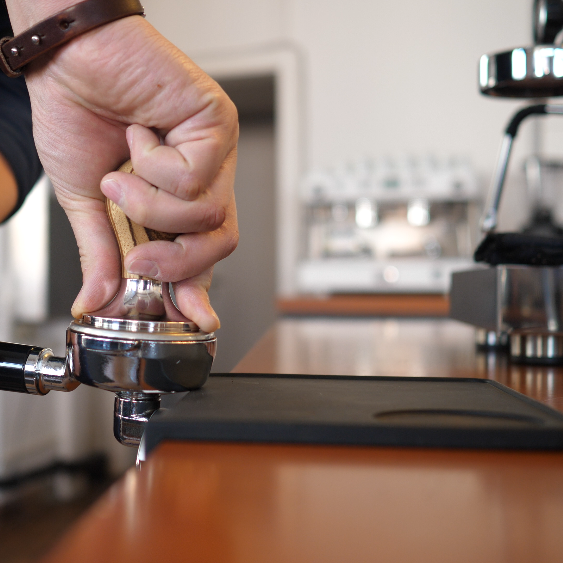
Water is pressed with pressure through the espresso puck. The water finds the path of least resistance. If you tamp at an angle, it leads to uneven extraction and the espresso won't be properly extracted.
4. Distributing the coffee grounds in the portafilter
Before you tamp evenly, you should first distribute the grounds evenly in the portafilter. Most grinders don't distribute the grounds evenly on their own, so you should do this with your finger or with a leveling tool. If you don't distribute the grounds, you risk poor extraction and channeling. We usually don't use a leveling tool, but instead gently smooth the grounds with our finger and then tap the portafilter twice gently on the tamping mat. We refer to this as vertical compaction.
5. The machine is not hot enough
Every machine needs time to heat up before the first shot. A blank shot can also help here. Best of all, before the first shot of the day, use the time to grind a bit of coffee from the grinder to clean the retention. That way, the first espresso of the day tastes good too.
6. Not flushed beforehand
After each espresso, you should flush water from the shower head once. You clean the shower head and normalize the temperature for the next shot.
7. Wrong tamper size
The size of the tamper should fit your portafilter as precisely as possible. There are very fine differences, for example 58mm or 58.5mm. The better the tamper compresses the entire coffee cake, the more consistent the extraction.
8. Poor grinder
The grinder is almost even more important than the espresso machine, because you need to set the correct grind size and the particle distribution should be balanced. Only then can your espresso be consistently well extracted.
9. Old burrs in the grinder
Burrs must be sharp, otherwise they squeeze the beans instead of cutting them. They need to be changed from time to time. Don't worry, this isn't necessary every year, but usually only after several years.
10. Cups on the machine
The cup should rest on its bottom on the machine. The bottom of the cup heats up and the espresso doesn't cool too quickly. This way it's also more hygienic.
11. Old coffee
Best to only put as much into the grinder as you'll consume in a maximum of 48 hours. Not too much time should have passed since the roast date either; ideally you should use the coffee within the first 4-8 weeks after roasting.
12. Fresh coffee
Fresh, but not too fresh. The coffee needs at least a week to degas CO². So you should wait at least this long before using it.
13. Channeling
Channeling means channel formation within the coffee cake. Water flows too quickly through this channel and underextraction occurs. Your espresso is sour. Insert the finished tamped portafilter carefully and don't tap it anywhere, so that no cracks form in the coffee cake and thus no channeling occurs.
14. Hard water
Too many minerals make water hard, and that's neither good for your machine nor for the taste of your coffee. The acidity is no longer properly incorporated into the beverage. Water that's too hard can have a massive impact on the lifespan of your portafilter machine. If your water is too hard, you'll need to filter it or use bottled water. You can find out what hardness level your water has from your water supplier, or more precisely by testing it yourself (with the water test kit).
15. Wrong grind size
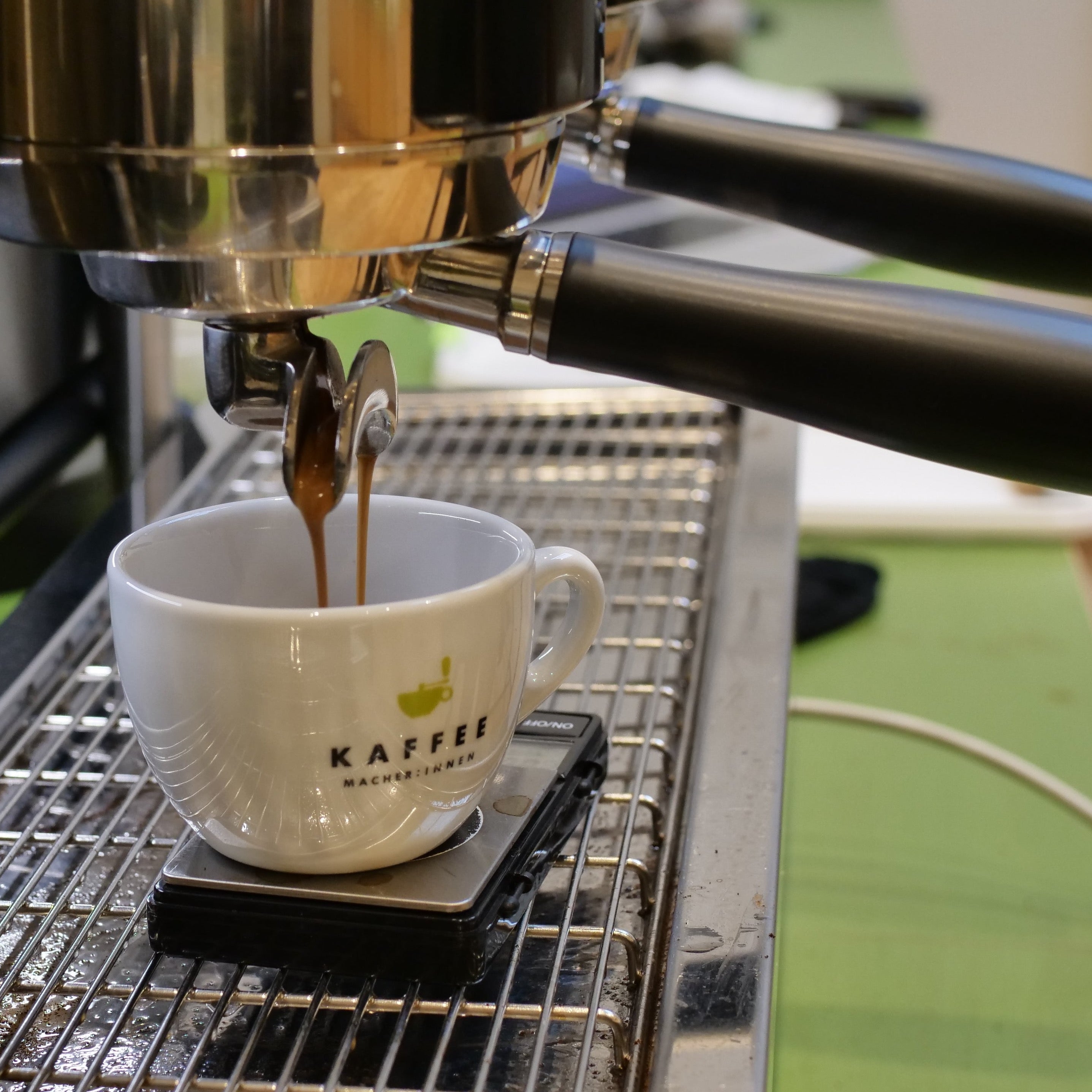
The extraction should take between 25-35 seconds. If the coffee flows too quickly, it becomes sour (underextraction); if it flows too slowly, it becomes bitter (overextraction). You regulate the flow speed by adjusting the grind size of the grounds. Too fast, then you need to set a finer grind. Too slow, then you need coarser grounds.
16. Brewing ratio
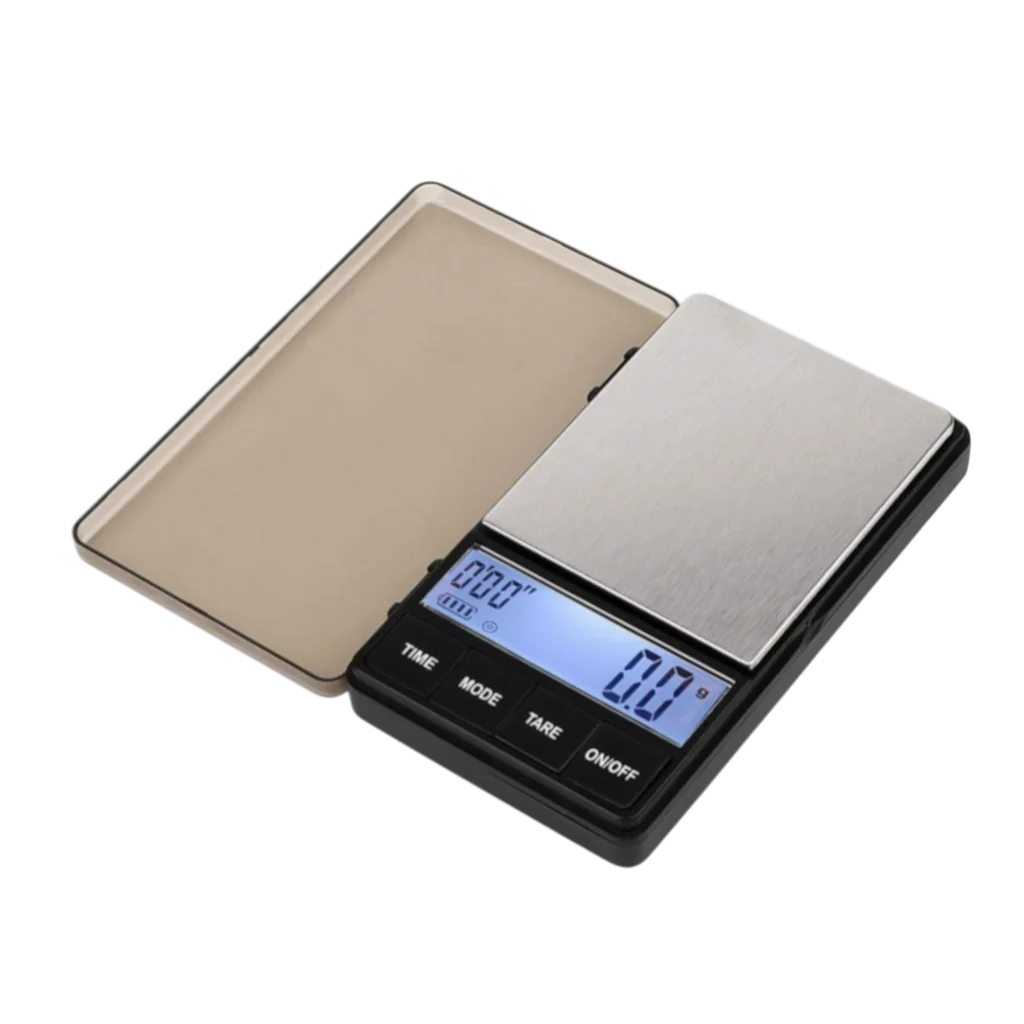
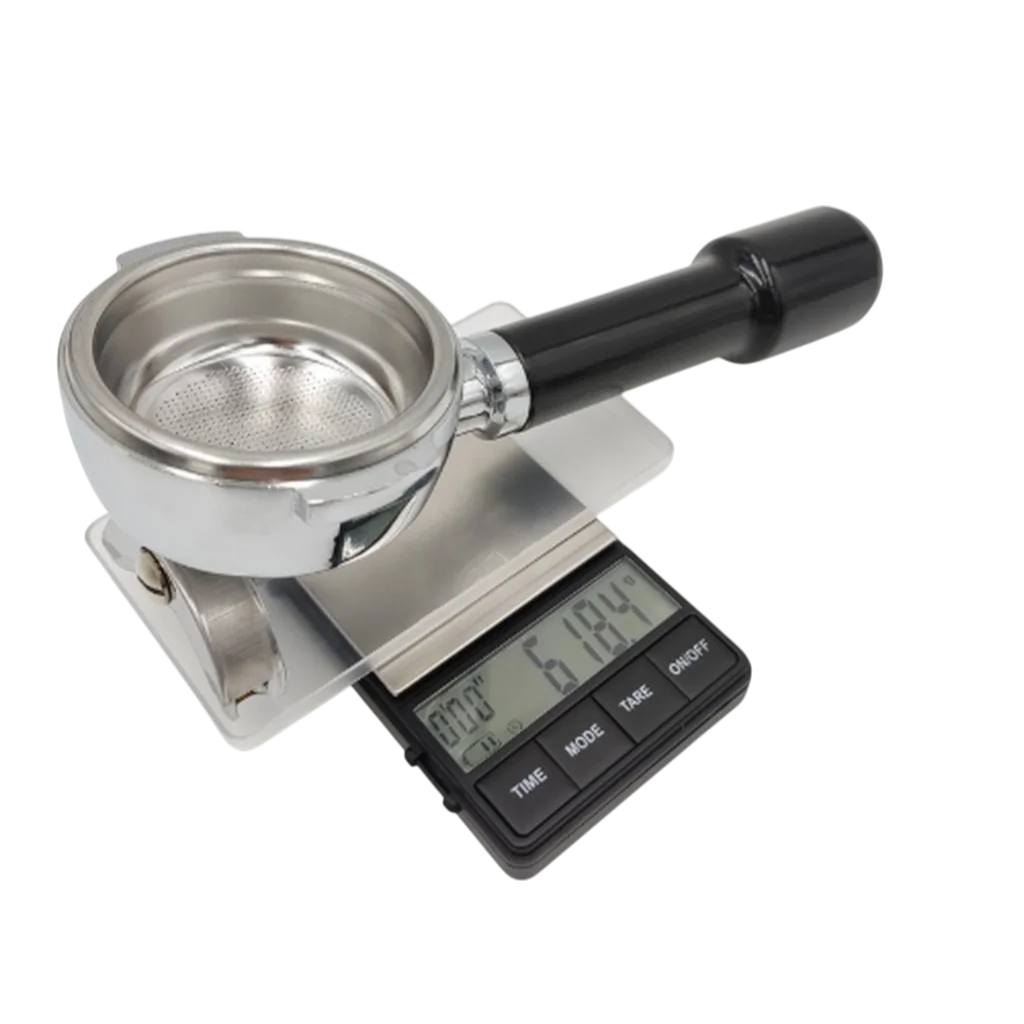
In espresso preparation, there are so-called brewing recipes. How many grams of coffee grounds become how many grams of coffee beverage. We recommend a brewing ratio of 1 to 2.5 or even 1 to 3 (10 grams of coffee becomes 25 or 30 grams of espresso). The brewing recipe is rounded off by the extraction time, which is in the range of 25-35 seconds. Depending on the coffee, the "sweet spot" varies, and everyone tastes things individually. In our coffee descriptions, we always provide a brewing recipe for how we find this coffee tastes best. This can serve as a basis for "your" brewing ratio. You'll find more on this topic in our blog post How much coffee per cup.
17. Please stir
Please stir the espresso in the cup after extraction. This distributes all extraction phases with each other and your espresso will taste more balanced.
18. Wrong coffee
Not bad, but wrong. Espresso should be brewed from espresso beans. Filter coffee, for example, is roasted much lighter, which doesn't work with the method of espresso preparation.
19. The temperature
The temperature at which the water hits the coffee puck should be between 92 and 93.5 degrees. You usually achieve consistent temperature with a flush. Both too high and too low temperatures significantly change the result in your cup.
20. Bad coffee
Even if you buy the right bean type, there are big differences in coffee quality. Get your coffee from local or transparent coffee roasters who understand their craft and can also advise you. If a coffee, for example, doesn't have a roast date printed on it, its age is unknown and the coffee is usually not fresh, but old.
After 20 mistakes have been named, our article Prepare espresso - Step by step can help you with further questions.