
















Toca. Kaffee mit Impact
Seit 2022 begleiten wir mit dem Toca-Projekt in der Sierra de Zongolica eine junge Bio-Kooperative auf dem Weg zur Selbstbestimmung. 2024 machten die Produzenten große Schritte: Sie bauten ein Microbeneficio, verarbeiten ihre Kaffeekirschen nun zentral und steigern laufend die Qualität. Durch ein Co-Investment wurden wir von Käufern zu Partnern – das Potenzial ist riesig, nachhaltiger Wandel möglich.
Resilientere Ökosysteme
Um was geht es in diesem Projekt?
Mexiko ist ein besonderes Kaffeeland. Es hat viel Biodiversität bewahrt, und ein Großteil des Kaffees wächst in Wäldern, wie sein ursprünglicher Vorfahre in Afrika.
Während viele Länder auf Monokulturen, Agrochemie und hohe Erträge setzen, produzieren indigene Gemeinschaften Mexikos weiterhin in vielfältigen Polykultursystemen. Sie produzieren weniger, aber bessere Lebensmittel, in nachhaltigen Ökosystemen.
Doch der Klimawandel trifft auch sie: Kaffeerost, extreme Hitze oder Regen verursachen Ernteausfälle und mindern die Qualität. Bisherige Auswege, der Einsatz von Chemie oder der Anbau in höheren Lagen, sind keine langfristige Lösungen. Die einzige Antwort liegt in resilienteren Ökosystemen.
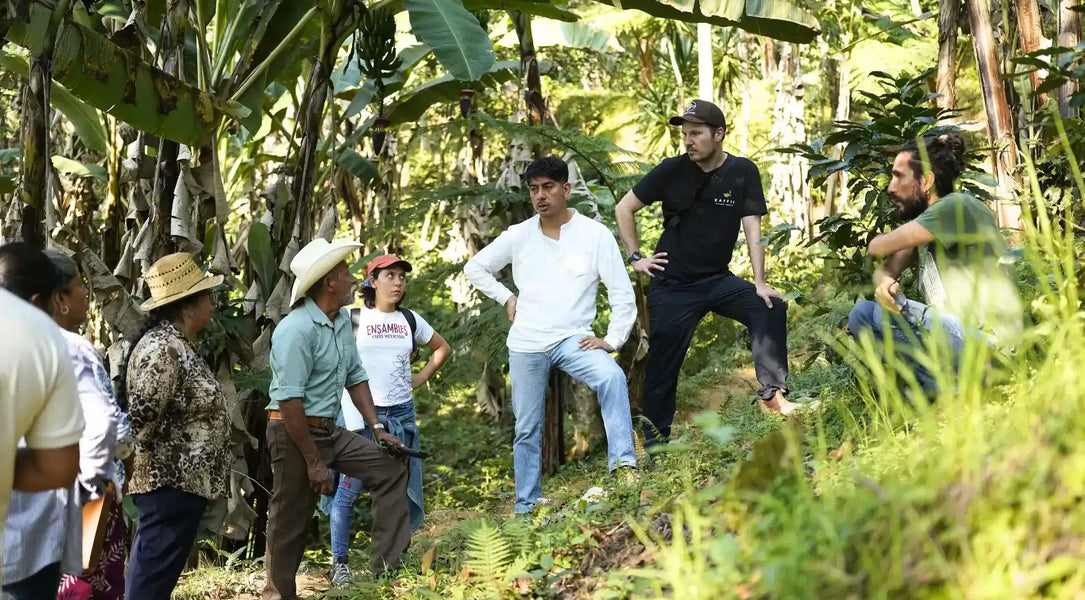
Das Projekt in der Region um Zongolica (Veracruz) ist eine Zusammenarbeit zwischen Nahua-Kaffeeproduzenten, Ensambles Cafes Mexicanos, den Kaffeemacher:innen und der Black Hen Rösterei in Saarbrücken.
Das Ziel ist der Übergang von der konventionellen Landwirtschaft, hin zu regenerativen Praktiken. Die Böden sollen gestärkt, die Temperaturen stabilisiert und das Wasser geschützt werden – ohne synthetische Inputs.
Dabei dient die Ensambles-Farm El Equimite in Coatepec als Labor. Methoden der Permakultur und Biodynamie werden da ausprobiert und dann im Projekt implementiert.
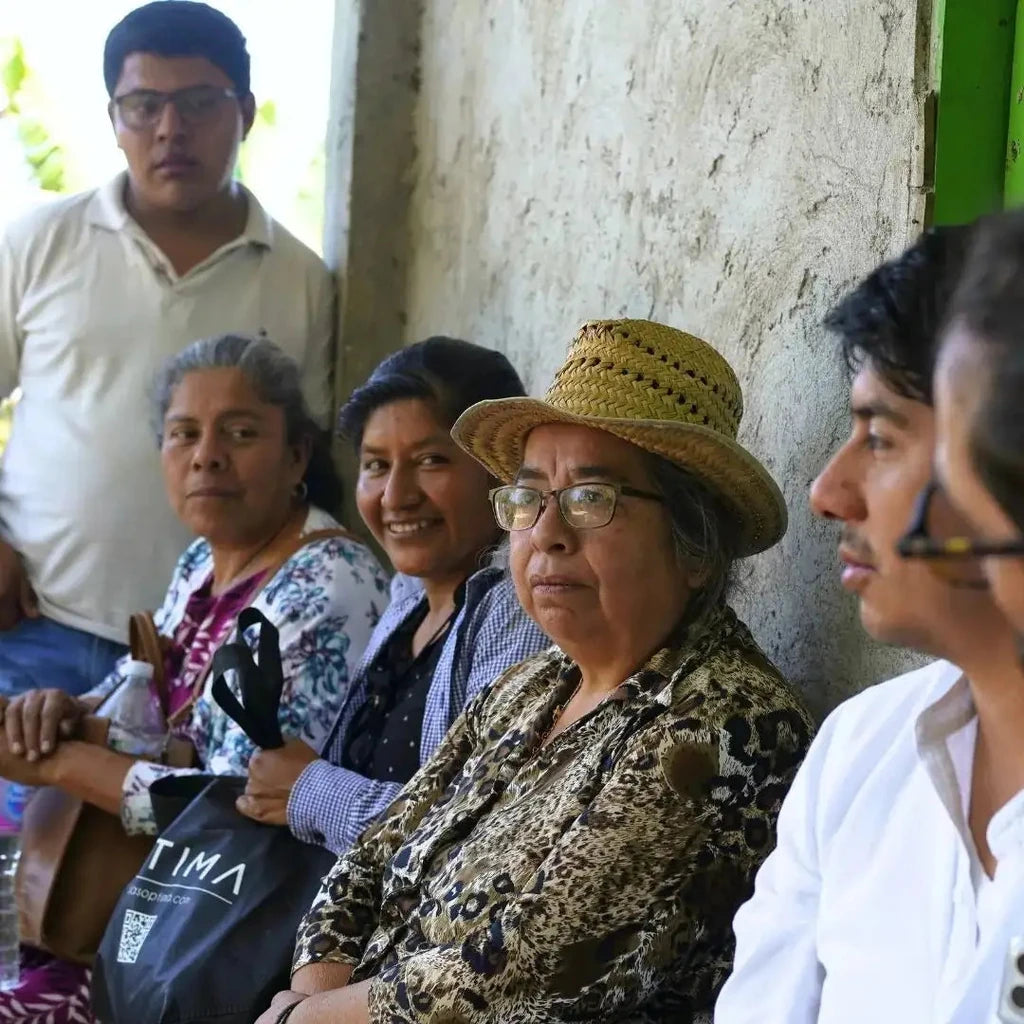
Die Gruppe in Zongolica profitiert von der langjährigen Expertise von Ensambles. Lalo, selbst Produzent und Agronom, ist der Kontakt zwischen Ensambles und Citlal Kaffeen. Er ist Teil der Kooperative und täglich als Ansprechpartner verfügbar.
"Wir glauben, dass die Lösung in resilienten Ökosystemen liegt. Diese zu erschaffen ist aber keine einfache Aufgabe."
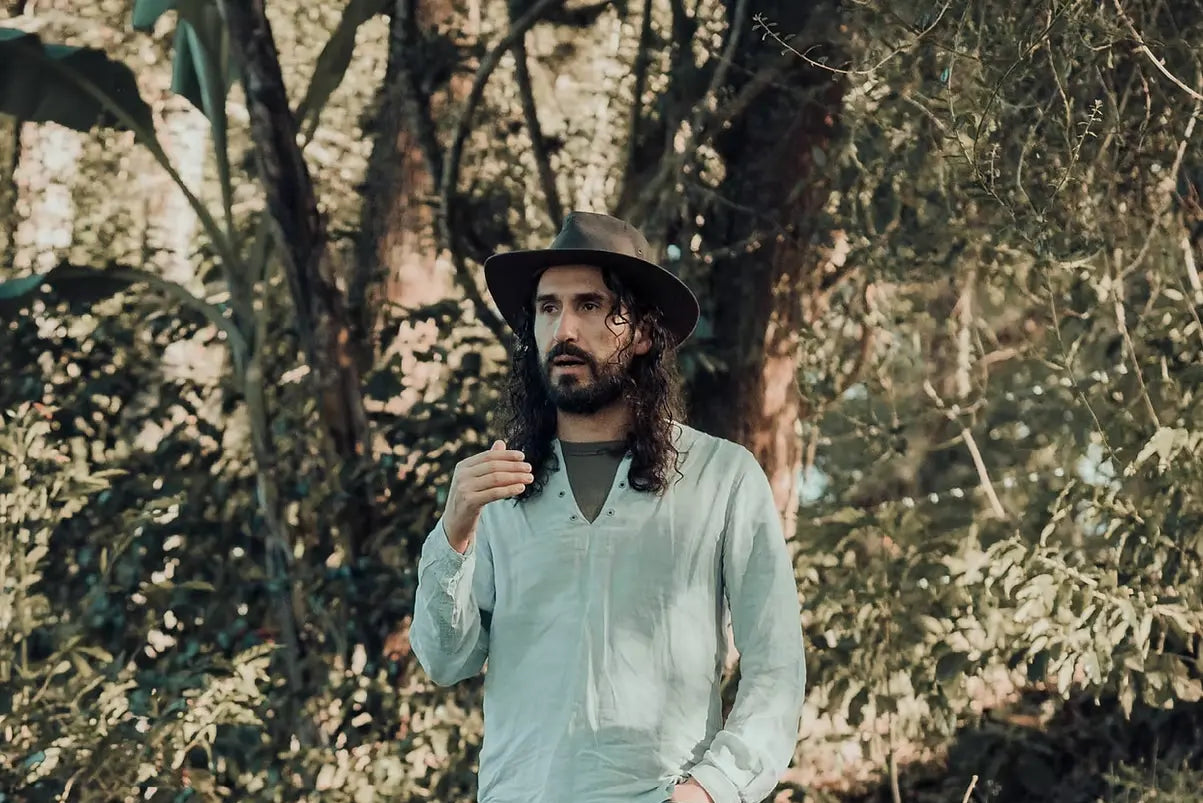
Toca-Projekt
Meilensteine
Was 2017 eine lose Idee in einem Gespräch zwischen Gibran und Philipp war, wurde zu einem Projekt, worauf die Produzenten stolz sind und für sich darin eine Zukunft sehen.
Start der Bio-Zertifizierung 2025
Die Hälfte der Kooperativen-Mitglieder sind bereit für die Bio-Zertifizierung im Frühjahr 2026.
Gründung der Kooperative 2024
Als Gruppe ist Citlal Kaffen nun effizient in der Administration und schafft sich einen erweiterten Marktzugang.
Inbetriebnahme der Wet Mill 2024
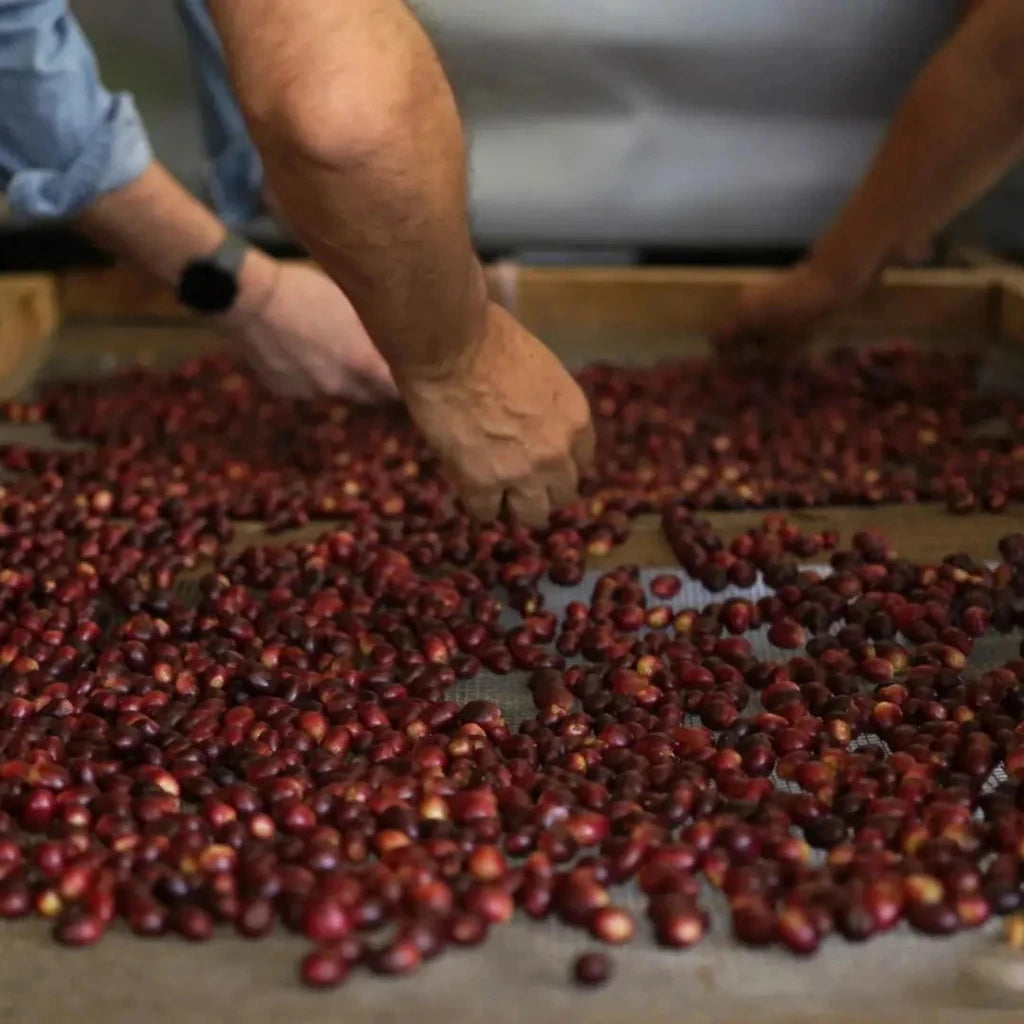
Die Kooperative verarbeitet die Kaffeekirschen nun selbst und trocknet auf dem eigenen Patio für die volle Kontrolle.
"Ich habe noch nie eine Produzentengruppe mit diesem Elan, dieser Besonnenheit und dieser Motivation gesehen."

Toca - Green Coffee Information
|
Taste |
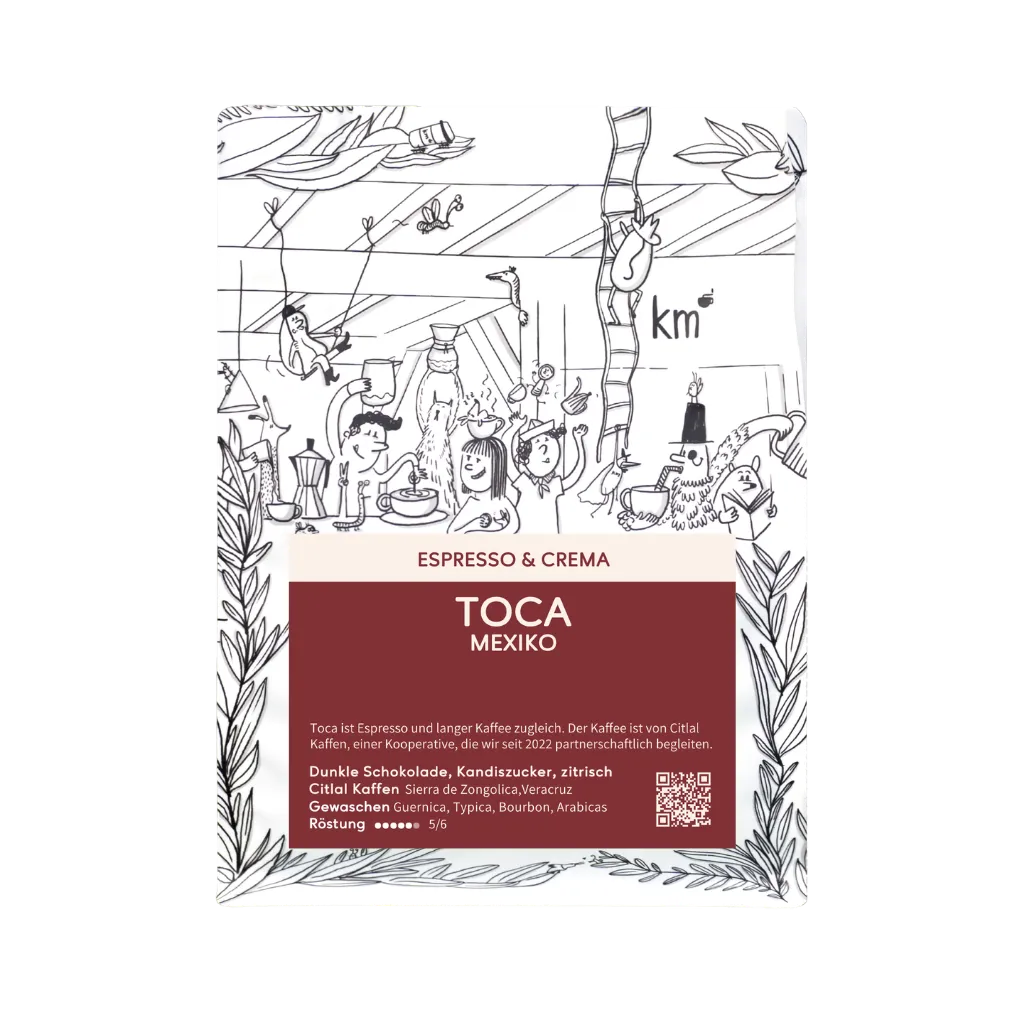
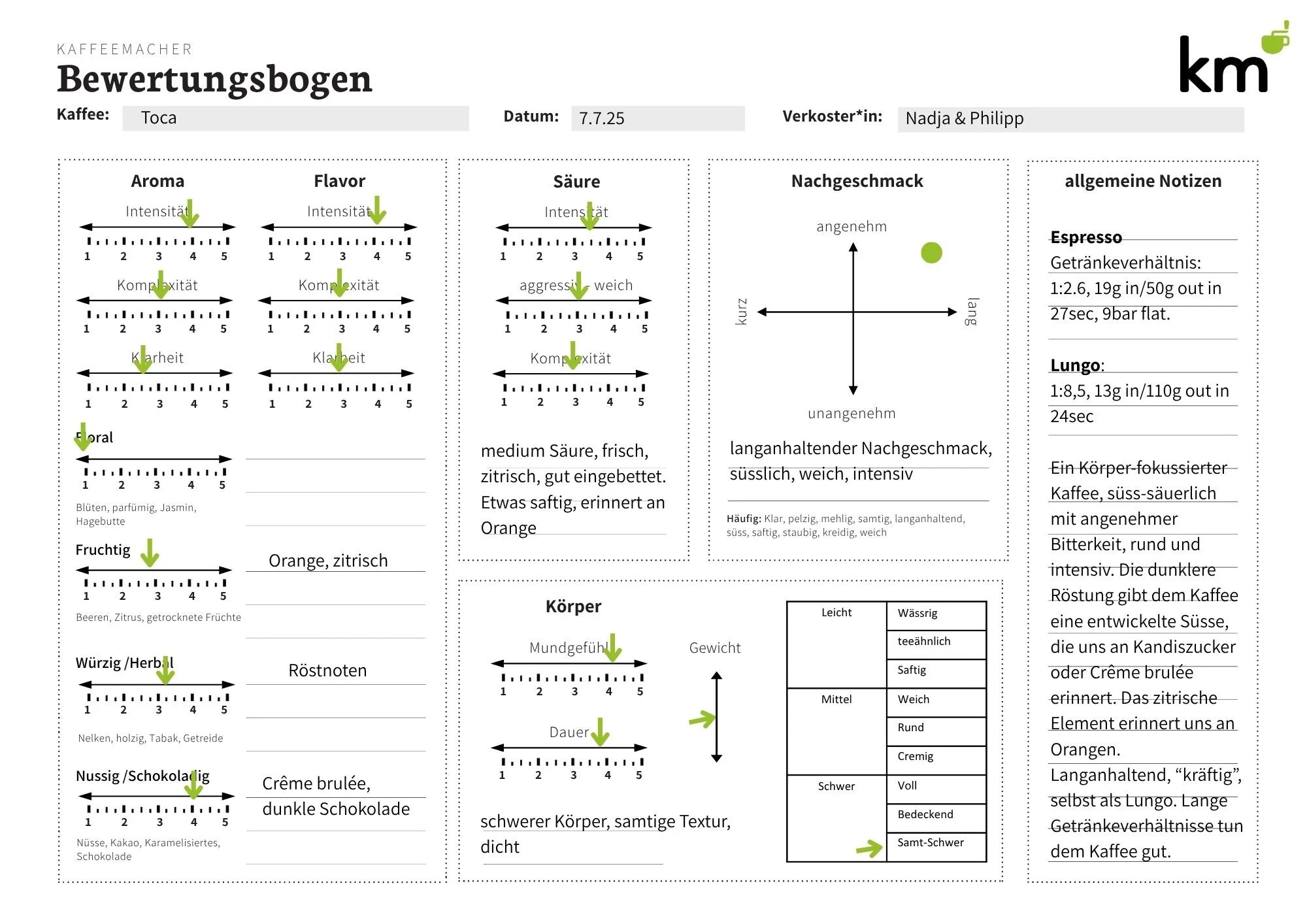
Dark chocolate, rock sugar, citrusy |
|
Bean Origin |
Sierra de Zongolica, Veracruz, Mexico |
|
Producers |
Citlal Kaffen Cooperative |
|
Varieties |
Guernica, Typica, Bourbon, Catimores |
|
Post-Harvest Process |
Pulped, water fermented, washed |
|
All our coffees are sold as whole beans. |
|
How we would prepare Toca

Tell me more about Toca
The official name of the project in Mexico itself is "Tlapajti" - which means in the local Nahuátl language spoken in the project region: "Those who heal." The name came from a producer in the community herself. She said that she is now healing Mother Earth and therefore is "Tlapajti." In spring 2022, we started the Tlapajti project in Mexico with Ensambles Cafés Mexicanos.
What is the Toca project about?
First, a cooperative was established, which reconstituted itself in 2024. Now Ensambles is working to bring the producers to organic certification. The first producers achieved organic certification in spring 2025. The current roasted coffee is not yet organic certified. In 2024, we founded a Microbeneficio with the producers, Ensambles, and our friends at Black Hen Roastery and set it up as a co-investment. The Microbeneficio is a coffee processing facility. The producers built it and now operate it themselves. Now they can also offer the processing service to other producers in the region and diversify their activities. Next comes the gradual development of a small Biofábrica where the cooperative will produce its own organic fertilizer.
Why does the coffee taste the way it does?
The coffees from the region around Zongolica have medium to high body. The area around the Apixtepec community, where the producers live, is often shrouded in rain clouds that are pushed inland from the Atlantic. It is often cool, and the coffees ripen slowly. This slow growth gives the coffee its complexity, a citrusy-delicate acidity and a high base sweetness. The soft texture comes from careful cherry selection.
How do we roast this coffee?
We roast the Toca as a 30 kg batch in our roaster, so we use the drum to full capacity. With 15 minutes of roasting time, the coffee is one of our longest roasts. This emphasizes the more classic notes like rock sugar. The development time is 15%. We start with a Soak, so we keep the gas at minimum for 1 minute before increasing to 70% power. After that we let the coffee and the roaster do their own work and only intervene again at 10 minutes, gradually reducing the gas.
Shipping also available as Coffee Mail
All our coffees can be ordered in the form of Coffee Mail. This reduces the postage for 250g of coffee from CHF 8.5 to CHF 2.5. It is treated like a regular letter and arrives in your mailbox.
At checkout, you can choose between Coffee Mail, A-Post, and B-Post options.
Read coffee details into Beanconqueror

Pickup available at Café sommer
Usually ready in 24 hours
Toca, Espresso from Mexico
250 g
Café sommer
Solothurnerstrasse 66
Winkelriedplatz
4053 Basel
Switzerland