



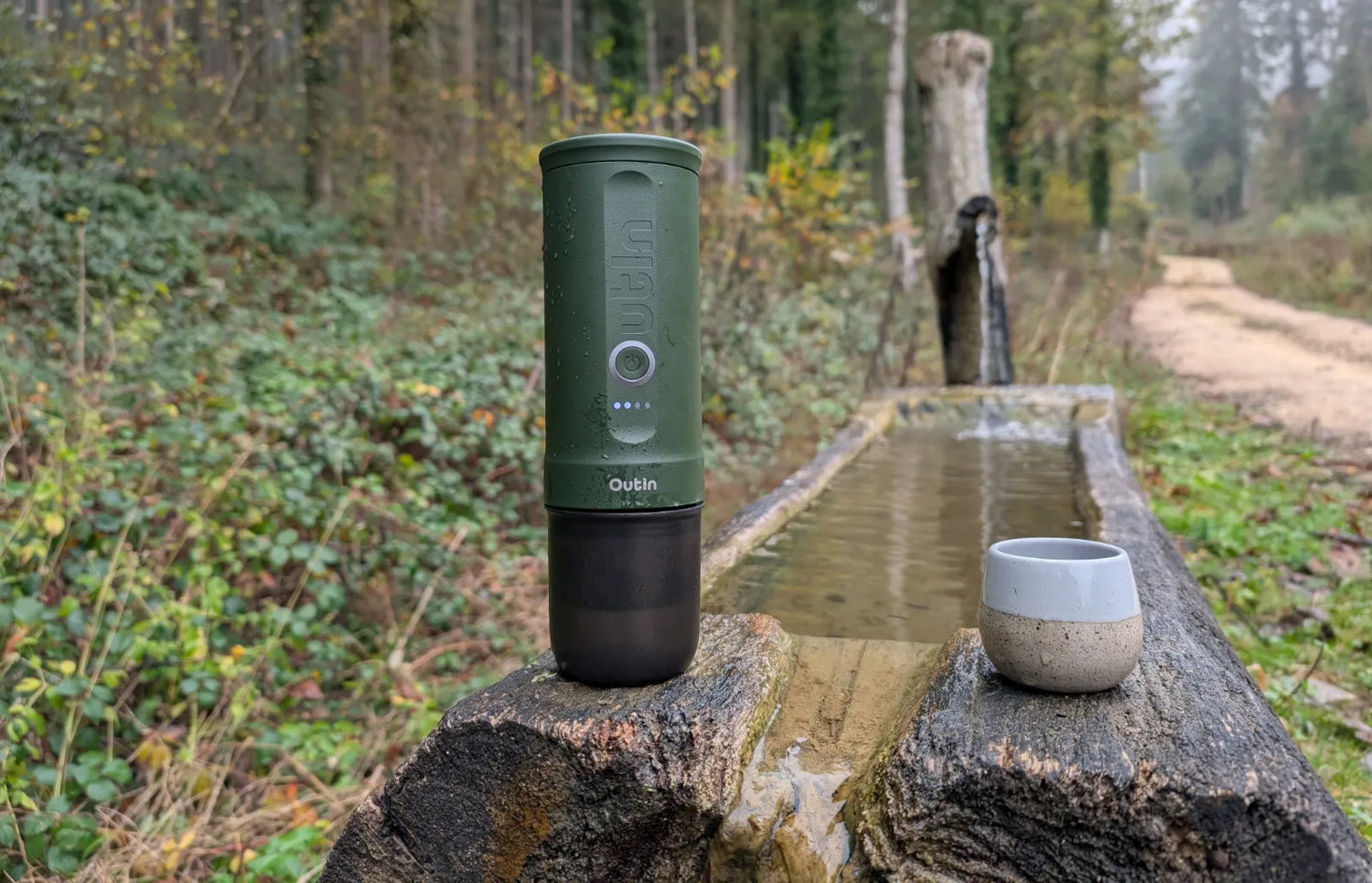

The idea behind the mobile espresso maker OutIn is brilliant. OutIn solves the problem that all mobile espresso makers face. Finally, we no longer have to carry a kettle or gas stove with us or look elsewhere for hot water. Because OutIn has an integrated kettle. A 7500 mAh battery charged via USB-C has enough power to heat cold water several times and build up sufficient pressure. In theory and according to the manufacturer's claims. We took a closer look at the reality. Unfortunately, we came to somewhat different conclusions.
The best mobile espresso idea
Hot water is one of the main challenges when making espresso on the go. That's why many manufacturers don't tackle the hot water issue at all and leave it to the brewer. The brewer then needs a kettle, gas stove, or a fire.
Not only heating the water is a challenge for mobile espresso brewers, but also heating the entire brewer! Making coffee on the go is a topic we cover in detail in our comprehensive outdoor coffee guide and video.
With the Nano, OutIn doesn't just leave us with the challenges of boiling water—it integrates a small kettle into the brewer itself. According to the manufacturer, it should be enough to heat the brewing water 5 times, depending on the water amount and how cold the water is. Here we already encounter one of the manufacturer's slightly overstated marketing claims. Heating 5 times only works if you use the absolute minimum amount of water. And even then with some compromises. There are several other marketing claims we can't fully endorse, which we'll discuss further down in the article.

OutIn Temperature Reality
According to the manufacturer, the espresso brewer should brew at 92 degrees. In our tests, we only reached 90 degrees in the upper chamber once. That was when using only 40 ml of water. With larger water amounts, we stayed at temperatures between 85 and 88 degrees in the heating chamber. With larger quantities like 70 ml, the temperature is 85 to 86 degrees. We tested these results with our OutIn and cross-checked them with temperature values from two additional models.
In reality, we must assume significantly lower brewing temperatures, since the brewing water loses temperature on its way from the heating chamber to the coffee as it transfers heat to the material.
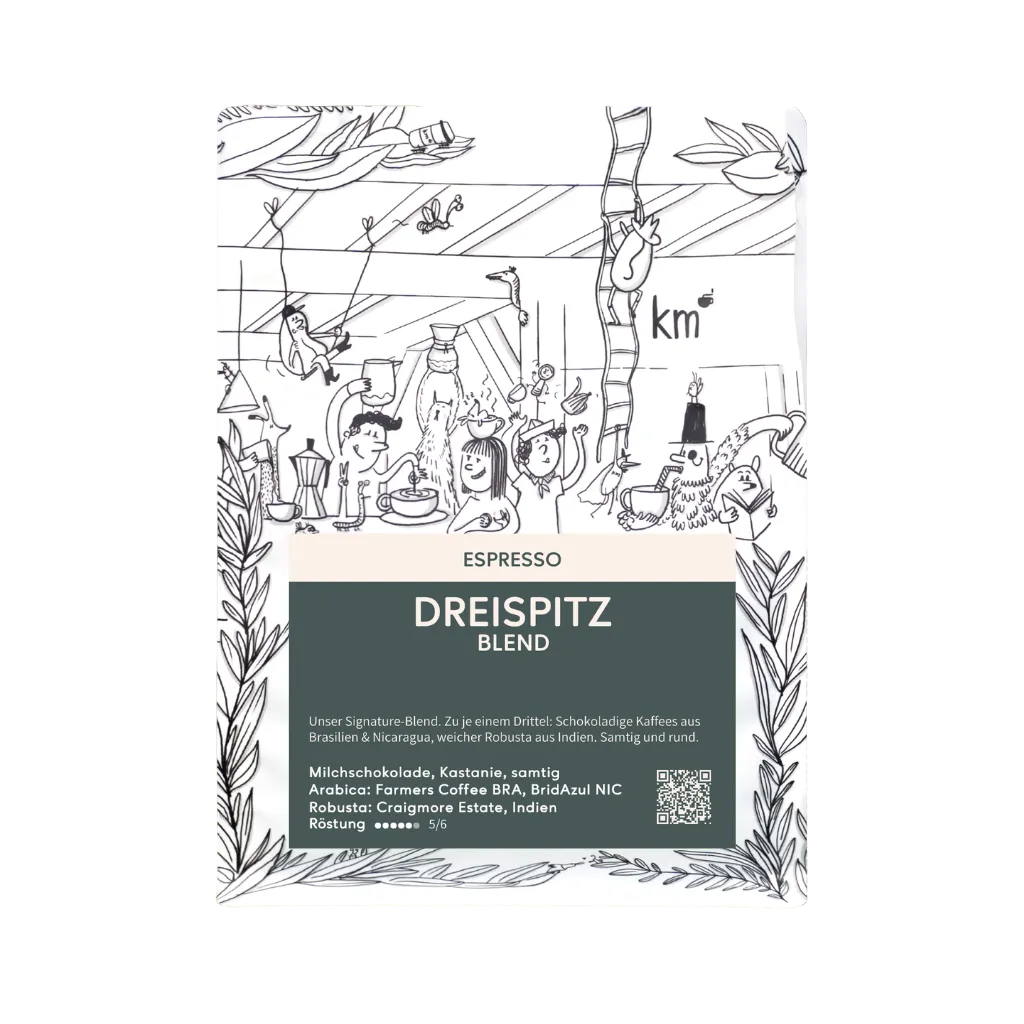
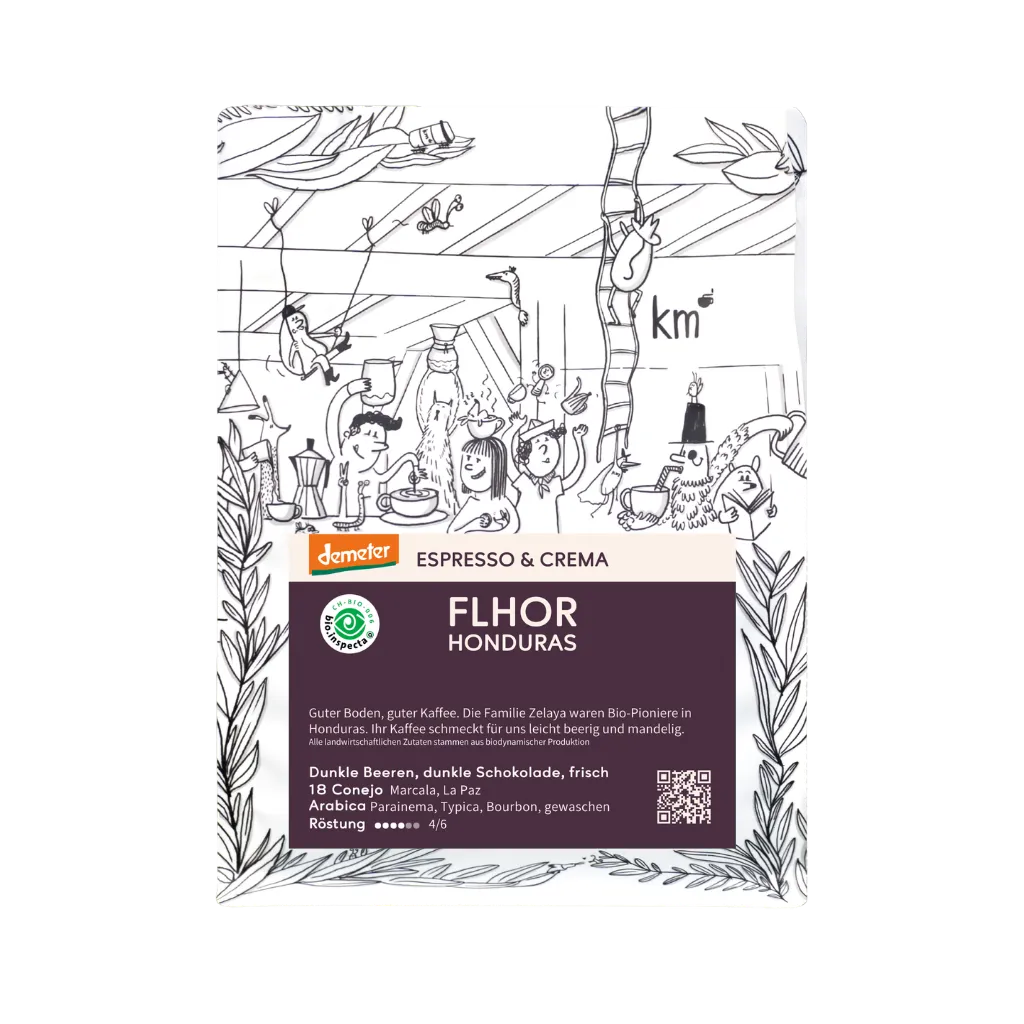
This is also reflected in the espresso's taste, which especially with lighter roasts noticeably emphasizes the coffee's acidity. We therefore recommend deliberately selecting espresso roasts for the Nano that match this profile. From our range, that would be something like the Mamy Espresso or the Dreispitz Blend. Darker roasts are the right counterpart for the OutIn. Lighter roasts already have plenty of acidity on their own, which is further intensified by the lower temperatures.
The lower temperature can of course be avoided if the brewing water is heated externally with, for example, a kettle. In that case, we recommend going for temperatures above 95 degrees. This heats the brewer thoroughly and provides good brewing temperatures that ideally then reach 92 to 94 degrees. In this way, you solve further problems or address other promises of the brewer.

Marketing vs. Reality
Perhaps it's the fashion of this time to make announcements as loudly and boldly as possible with high numbers. And we only address the topic when it particularly stands out. OutIn communicates along these lines—but as soon as the brewer is actually tested, some of the claims fall apart.
200 seconds for heating up, according to the marketing promise. But this only works if you use the absolute minimum amount of water. OutIn does mark the "200 seconds" with an asterisk* on its own website, but doesn't explain the relationship between water amount and heating time any further. We heated 70 ml in 4:30!
The heating cycles and battery performance also follow this pattern. The battery manages a maximum of five heating cycles only with the minimum amount of water!
With other claims, the manufacturer follows the usual trend in the marketing world of making secondary aspects look impressive with high numbers. The OutIn should be able to build up 20 bar of pressure. That's nice and all, but every good espresso machine ultimately brews with 6 to at most 10 bar of pressure. Nevertheless, manufacturers, especially of more affordable espresso machines, keep throwing around maximum pressure potential, which contributes little to the matter.
And the 92 degrees in the heating chamber are more of a smokescreen, because the temperature that really matters is in the brewer's brewing chamber, and those temperatures are not reached there.

The OutIn espresso maker with standard scope of delivery. You can get it from the manufacturer directly or also from Amazon*.
So Much (More) Potential!
What I've just described should in no way give the impression that I think the OutIn espresso maker is a bad product. I think it's brilliant! With the right roast, one that works well with lower brewing temperatures, the OutIn does exactly what I want from a mobile espresso brewer.
- It's easy to use.
- Takes up little space.
- Easy to clean.
- Makes good espresso (with appropriate coffee).
- The espresso amount is perfect (when using the Basket Plus set).
- And most importantly: the brewer heats the water itself!!!
This is an absolute game-changer, and that makes the OutIn Nano the most flexible and best manual espresso brewer for numerous applications. In theory, I can brew coffee almost anywhere with it, since heating happens automatically and a cup can catch the espresso directly.
Want some example locations? I can picture not just a kayak, but a ski lift gondola. Yes, even during a car ride, on the beach, on a bicycle in the bottle holder... The OutIn Nano espresso maker is the perfect outdoor espresso brewer!
And the espresso result in the cup makes all previous criticism fade away, especially when we brew espresso on the water in a sea kayak and enjoy it.
And yet... the brewer itself could be even better! In my view, it only needs two things:
- The brewer should heat up to at least 96 degrees before starting the brewing process.
- OutIn should be transparent about how long the brewing time is and how many brewing cycles the built-in battery can handle with maximum fill. That would be clean and would prevent customers from being disappointed later. Because even just two espresso brewing runs that work on the go are already a game-changer and meet everyone's wishes when out and about. Otherwise, we simply connect a power bank to the brewer and charge it again.
A small note on this: The brewer consumes more power than can be supplied in parallel from an outlet. It is therefore not suitable for continuous operation.

Scope of Delivery and Build Quality
The OutIn espresso brewer makes a robust and high-quality impression. In its basic version, it weighs under 700 grams and is also quite compact (23 cm tall, 7 cm diameter).
The standard scope of delivery includes a small brewing chamber for 5-6 grams of coffee, a capsule chamber, and a shower head. The capsule chamber or brewing chamber can each be slipped over a screw-on portafilter. Additionally, a small dosing cup is included that can be placed on the brewing chamber to make it easier to fill the coffee. It also serves as a tamper. All these materials are made of black plastic.
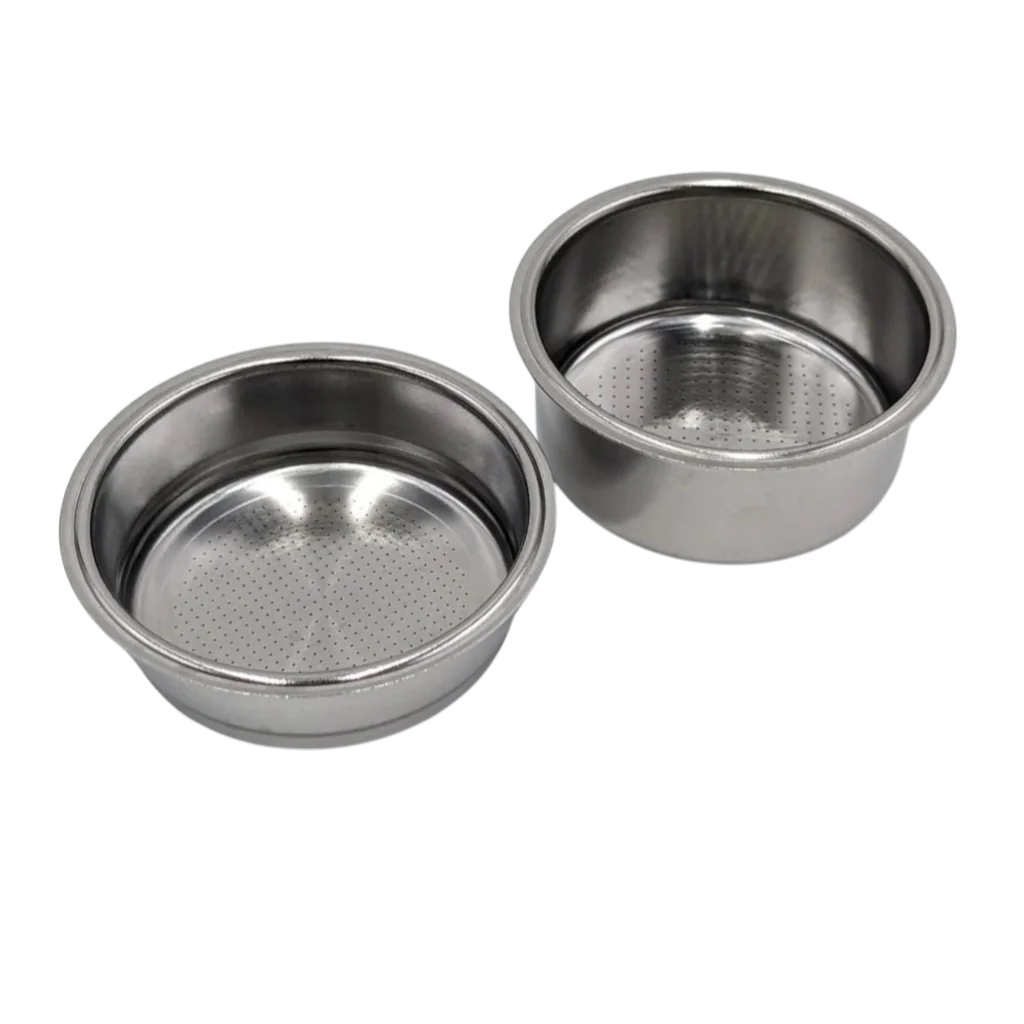
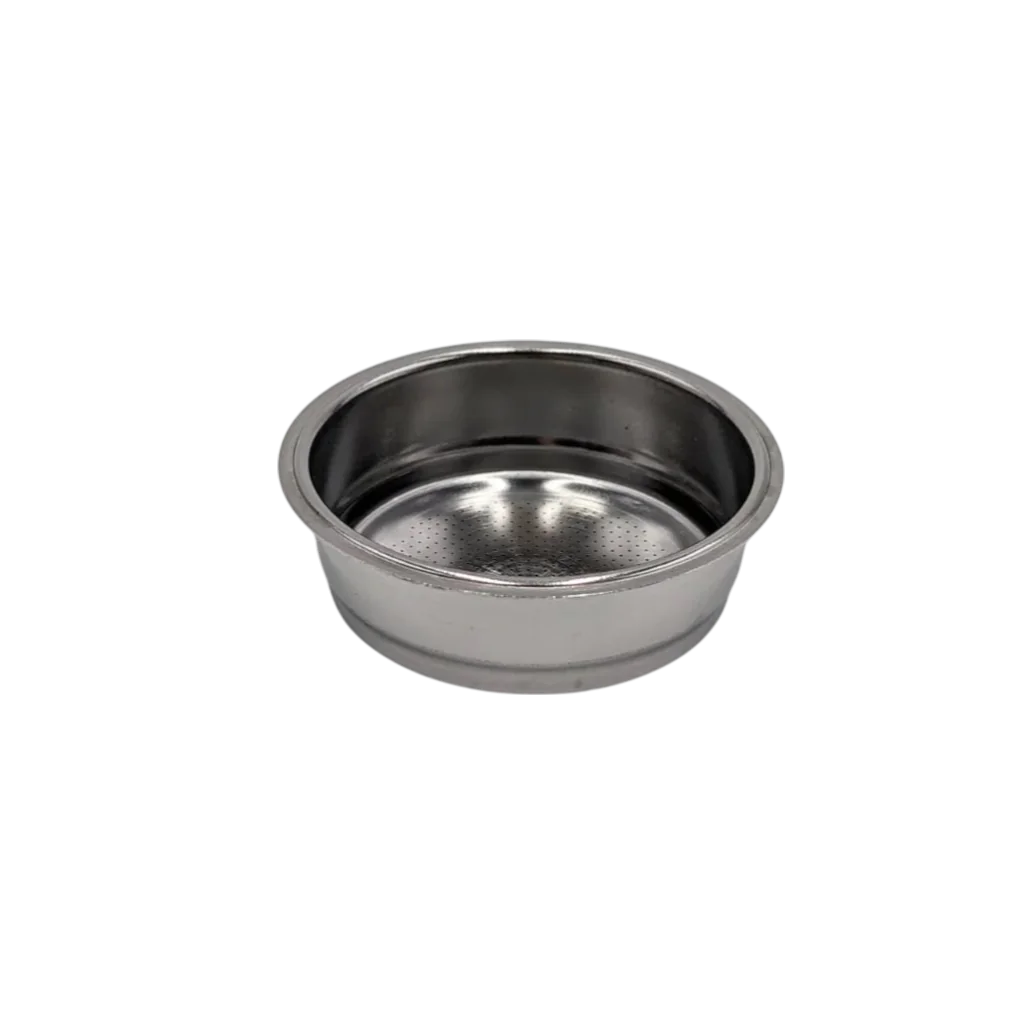
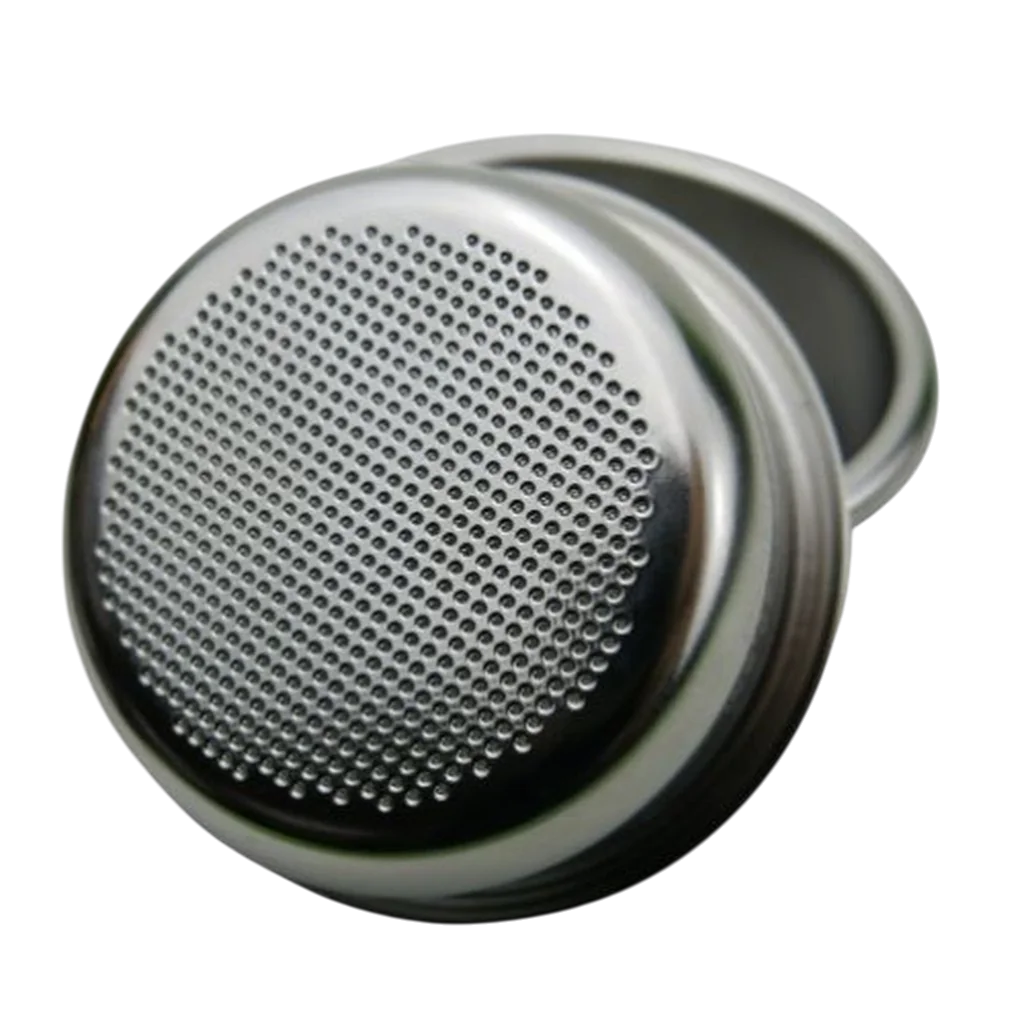
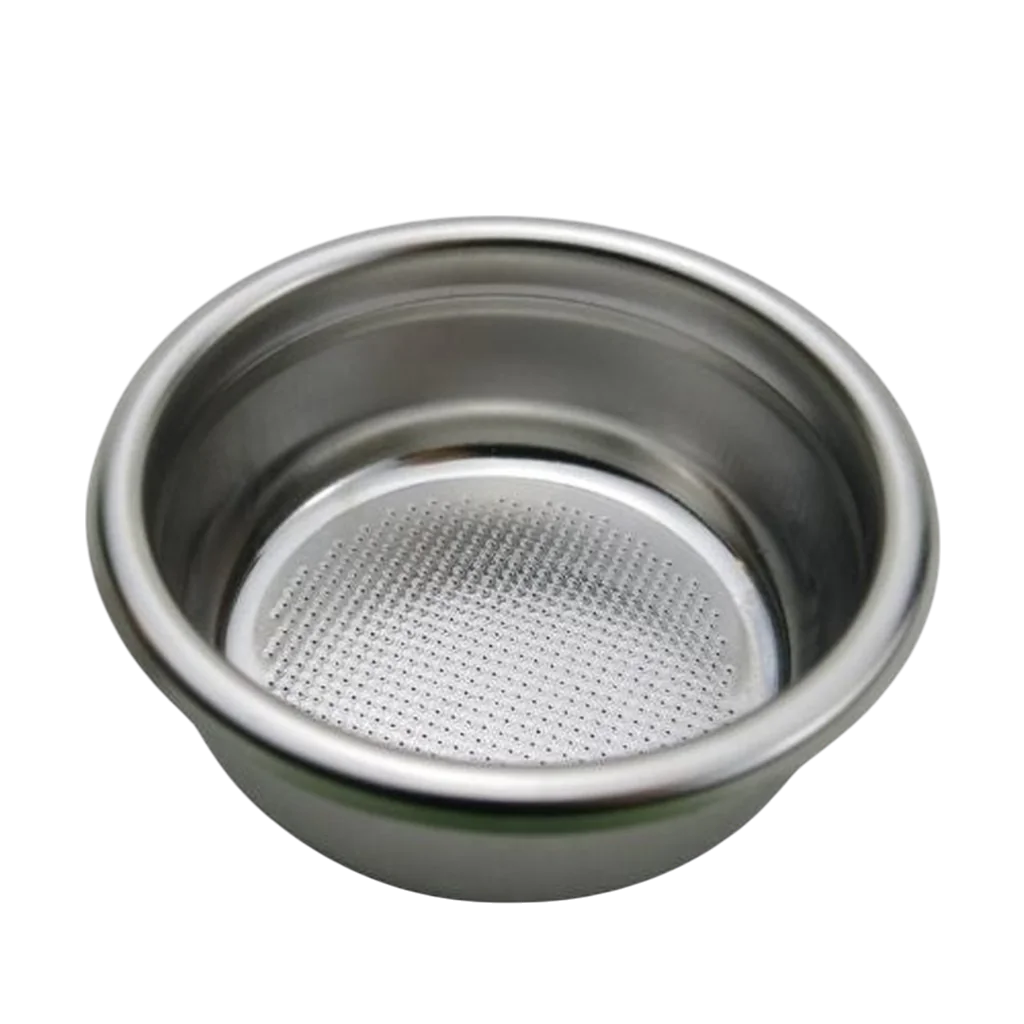
We wanted to exploit the brewer to its full capacity and not settle for small brewing amounts. These are, it should be noted, certainly much better suited to the lower brewing temperature. However, since OutIn itself offers the Plus Basket Set with a stainless steel tamper and a 16-17 gram basket, that was the set of our choice.
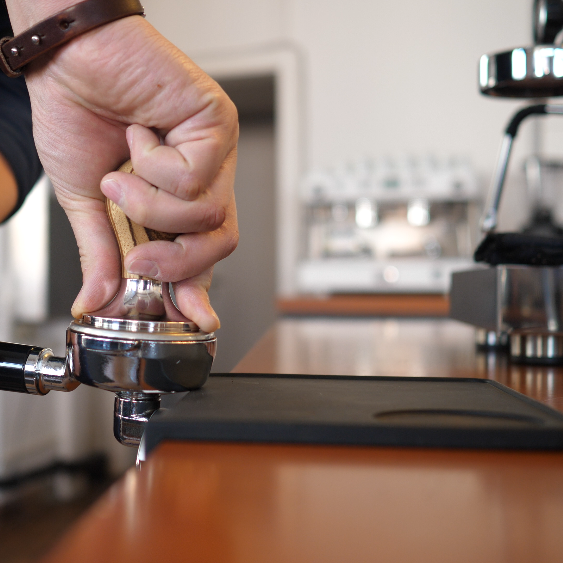
Working with the larger brewing chamber and the sleek little tamper makes the work easier and also increases the impression of quality of the OutIn Nano brewer.
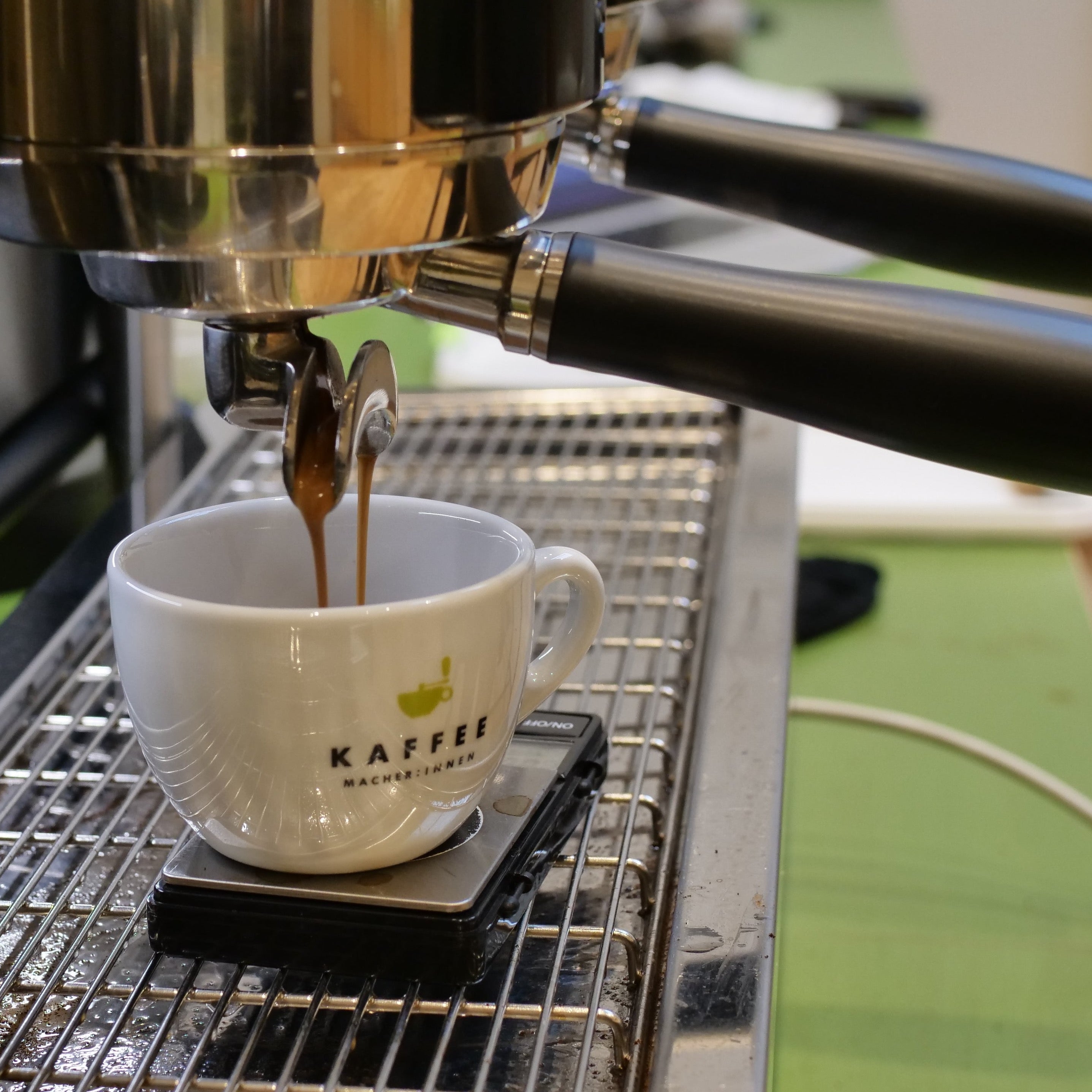
16 grams of coffee powder in a brewing chamber means with a 1:2 ratio, you get 32 grams of espresso in the cup!
Links and More
- Our coffees that taste great on the OutIn: Mamy Robusta, Dreispitz Blend
- OutIn Nano Basket Plus Set from the manufacturer and from Amazon*.
- KM Barista Milk Pitcher from the video
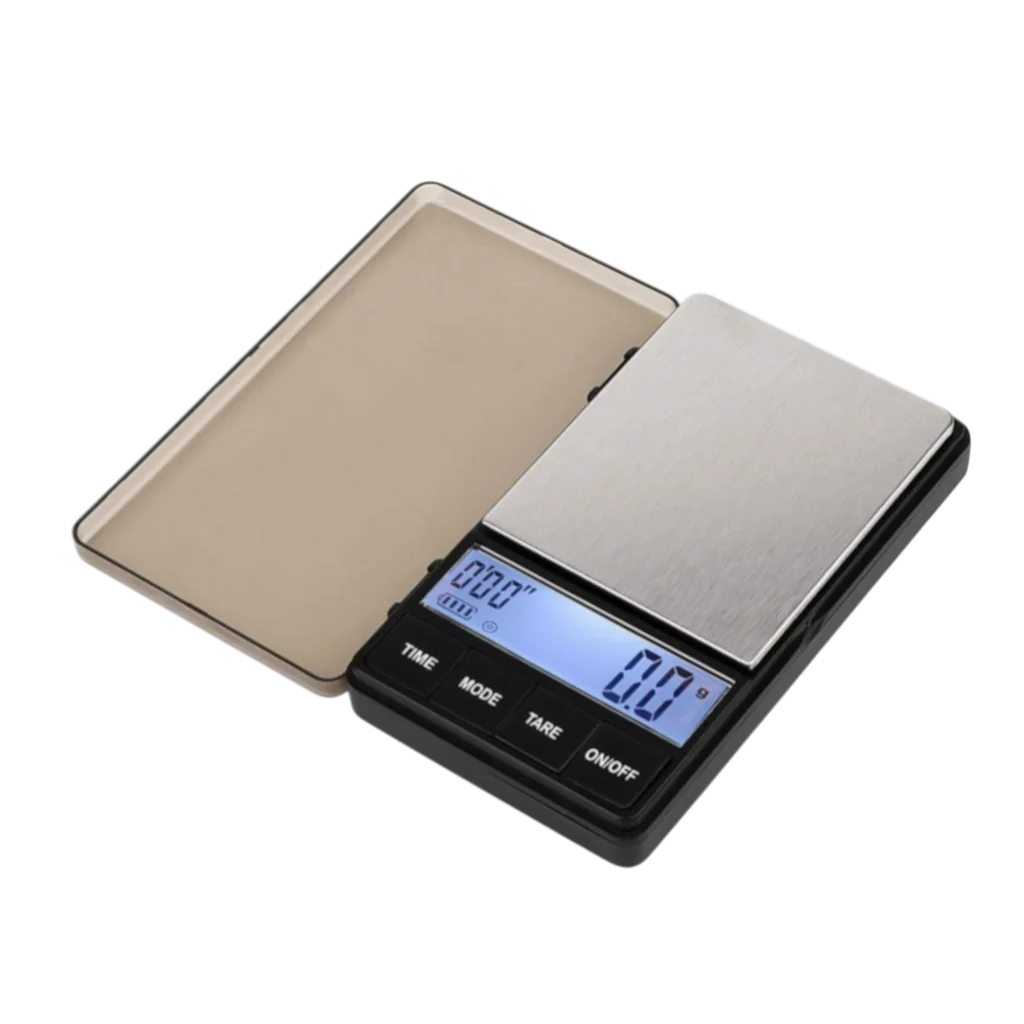
- Timemore Black Mirror Basic 2 Scale from the video
*This is a commission link to Amazon. Ordering through it won't cost you any more. We receive a small commission that we can use for additional test equipment. Thank you!