



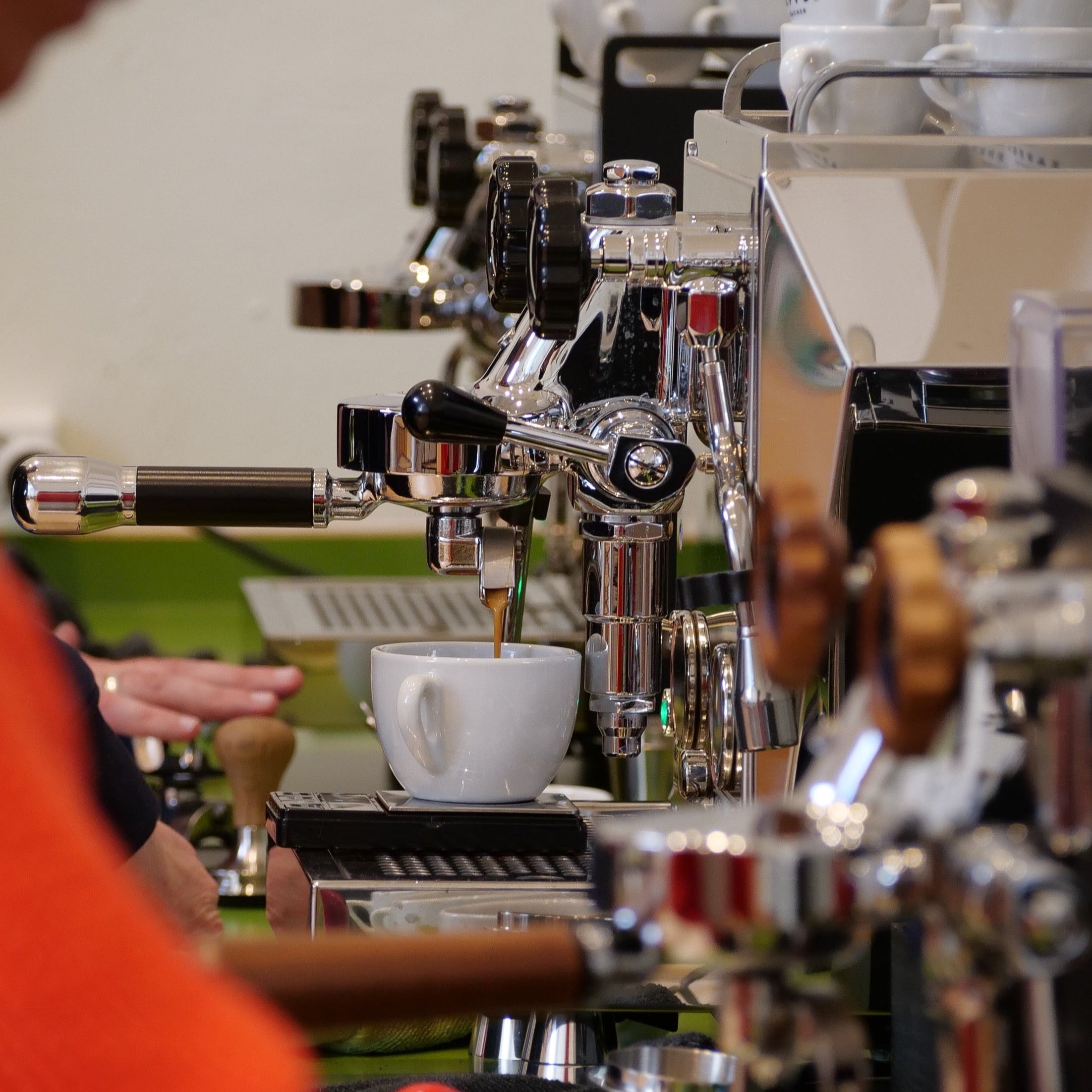
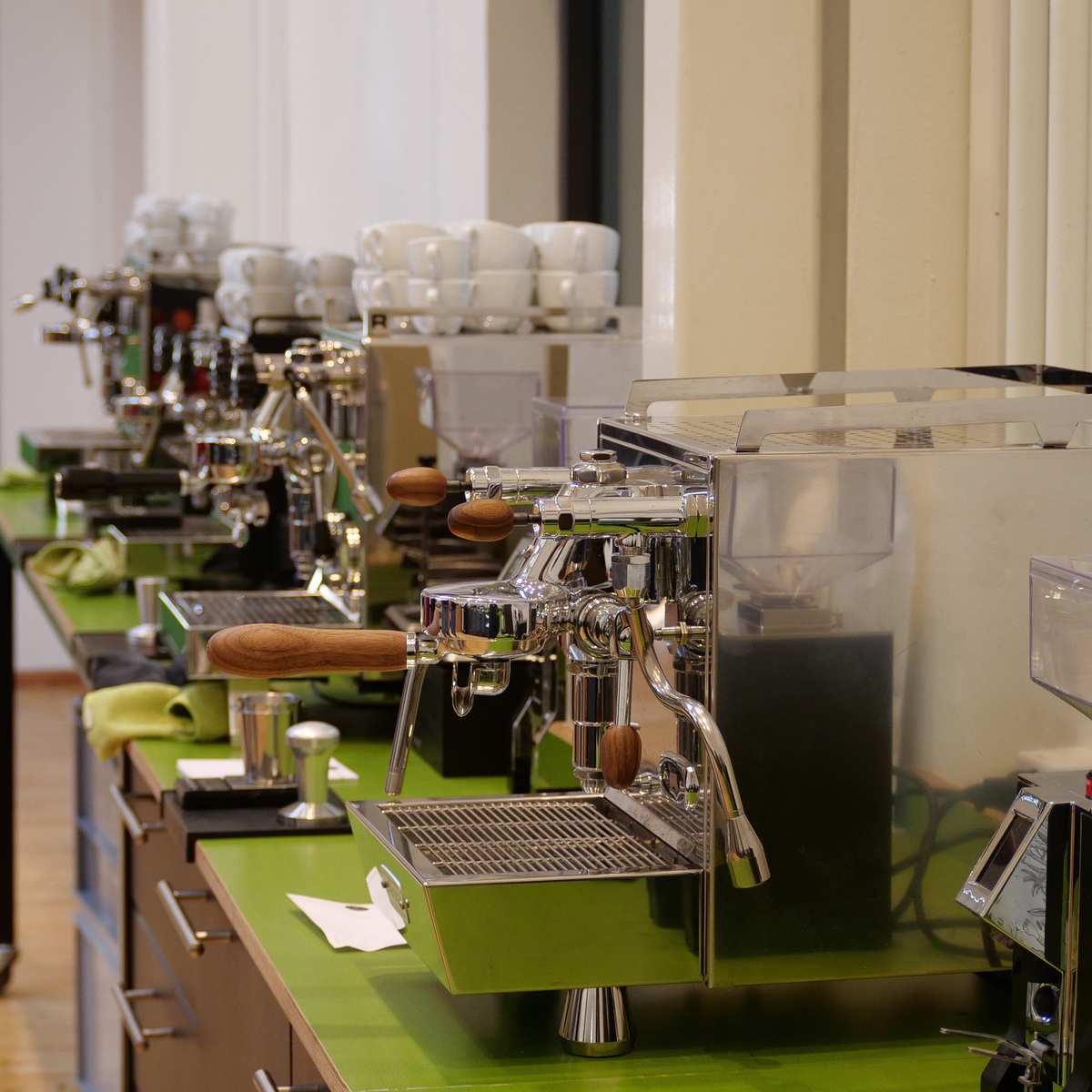
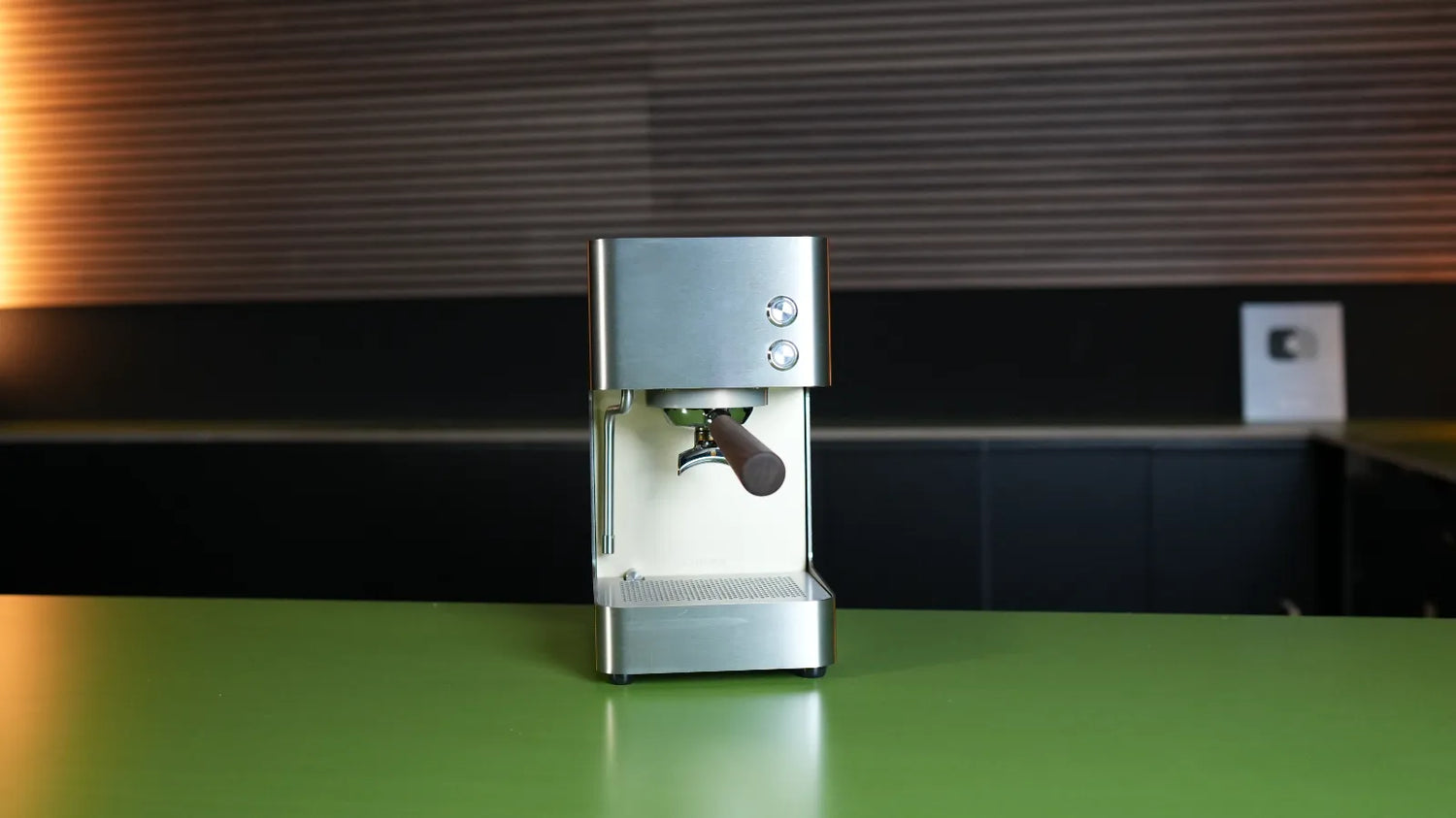

The Zuriga E2 has evolved. Anyone buying a Zuriga E2 today is purchasing Generation 2. This applies to both models: the Zuriga E2-S version with steam, and the variant without a steam wand. We have tested both the original Zuriga model and subjected the new generation to a thorough evaluation.
The first generation was already good! However, the second generation sets new standards across many categories. It heats up in just two minutes and subsequently achieves remarkable temperature stability. It owes this to advanced heating technology that only works when executed exceptionally well. The Zurich-based company has mastered this with a machine built in Switzerland. The Zuriga E2 Generation 2 with a thick-film heater is currently the best espresso machine of its kind! We are referring here to the model that replaced its predecessor in mid-September 2024.
You can find out what makes the Zuriga E2 Generation 2 so special in this review and in the following video. Our impressions of the previous version can be found at the very bottom of this page. For the Zuriga grinder, we have created a dedicated review page. However, our test of the new grinder featuring Grind-by-Weight technology is yet to come.
For the Zuriga E2-S Generation, we offer:
- this review article
- a full-length video (46:40 minutes)
- a short video (6:32 minutes)
- an English video (21:58 minutes)
There is also a video featuring the first generation, which you can find on our YouTube channel.
Zuriga Generation 2 – An Espresso Machine Milestone
And then came the second generation of the Zuriga E2, arriving quietly and almost stealthily. To be honest, I am not yet sure whether Zuriga fully realizes what they have accomplished here, or if it is simply sheer understatement. Other manufacturers announce a new color option as groundbreaking and invent new model names to milk every minor update for marketing purposes. The Zurich-based espresso machine company takes a different approach: the Zuriga E2 simply becomes Generation 2. This machine, packed with advanced technology, replaces its predecessor directly. Anyone buying a Zuriga today receives Generation 2, with or without a steam wand. This is possible because they build to order rather than clearing out accumulated warehouse stock.
Now to the specifics: what is actually inside this espresso machine—and what is no longer inside it. The mini-boiler has been replaced by a thick-film heater. The thick-film heater consists of heating elements pressed directly onto a metal plate. This construction allows for extremely fast and efficient energy transfer from the element to the brew water. Only the exact amount of brew water required for the shot is heated. While a boiler must be brought up to temperature beforehand, a thick-film heater is ready for action within seconds.

On the left, the Zuriga E2-S; on the right, a thick-film heater by Ferro.
Thick-film heaters are now found in several machines on the market. The major challenge, however, lies in regulating them properly. What heats up quickly can just as quickly overshoot its target. To achieve precise control, the Zuriga measures the temperature many times during extraction and adjusts output accordingly. The thick-film heater responsible for both steam and brewing operates at up to 1,400 watts.
A second innovation—and a second thick-film heater—is integrated directly into the group head. This is clever and solves a major issue faced by espresso machines designed for fast startup. Having the heat source and water at operating temperature in seconds is all well and good, but they can only perform accurately if the group head and portafilter are also thoroughly heated. The 600-watt thick-film heater embedded in the group makes exactly that possible.

We tested the Zuriga E2 to its absolute limits. We can confirm a true heat-up time of just 2 minutes. If you are in even more of a hurry, a quick flush through the locked-in portafilter can accelerate portafilter heating further. Its subsequent thermal performance deserves its own dedicated section in this review. Nevertheless, a quick word on energy consumption: in our energy testing protocol, we measured a usage of just 0.058 kWh for five double shots. This places the Zuriga E2-S at the top of our rankings as the most energy-efficient high-quality espresso machine tested.
You can clearly sense our enthusiasm. We have been advocating the potential of thick-film heaters for many years. In the Zuriga E2 Generation 2, we finally see much of what we have long wished for realized. In its class and price range, this machine is a beacon that demonstrates what is possible in energy efficiency, temperature stability, and heat-up speed.
And if the manufacturer remains modest with superlatives, we will fill the gap: this machine is nearly unbeatable, delivers outstanding overall performance, and stands as a benchmark for what innovation, craftsmanship, and coffee expertise can achieve together.
A quick note: we have no commercial ties to Zuriga. We purchased this espresso machine ourselves and report independently and neutrally as always. However, when a product is exceptionally good, it deserves to be called out as such.

Zuriga E2-S Generation 1
Zuriga – The Swiss Espresso Machine
Through crowdfunding, the company Zuriga launched its success story on wemakeit in 2016. A total of 271 backers funded the idea of a Swiss espresso machine with CHF 57,075. The vision was a machine reduced to the essential, manufactured in Switzerland by local Swiss SMEs. "Compact, fast, affordable, powerful, and above all easy to use" was Zuriga's motto back then.
Zuriga has indeed delivered on much of that promise, even if the price of the Zuriga E2 today stands at CHF 1,480 for the version without steam, exceeding the original 2016 target limit of CHF 1,000. However, given what the machine offers—its high build quality, market positioning, and Zurich-based assembly using predominantly Swiss-made components—it remains impressively competitive. At this price point, it compares very favorably not only with less capable machines from abroad, but also with other Swiss-made espresso machines, of which there are now quite a few.
Indeed, Switzerland is gradually evolving from a country specialized in super-automatic machines (Jura, Thermoplan, Schaerer, Franke, etc.) into a hub for manual portafilter and semi-automatic machines. Olympia Express is a pioneer, building espresso machines in Glarus since 1928. We have already published a review of the Olympia Express Maximatic. The Cremina comes in at CHF 3,680, while the Maximatic demands a substantial CHF 3,980.
The Gilda coffee machine is also produced in Switzerland, with 90% of its components sourced locally according to the manufacturer. Price for the Gilda: CHF 3,995.
For the sake of completeness, Unica and the lever machine from Manument should also be mentioned. Both are innovative, but operate in entirely different price leagues. The Unica is priced around CHF 7,499, while pre-ordering the Manument Leva comes to CHF 18,000.
Therefore, the CHF 1,480 price tag for the Zuriga E2 should be viewed in this context. In terms of performance, I would personally prefer the Zuriga over four of those five other machines—while saving up to CHF 6,000 in the process.
The Models: Zuriga E2 and E2-S
The original Zuriga model has evolved over the years. Today we are reviewing the Zuriga E2-S. This is the latest model equipped with a milk frothing function. For many years, the base model—the Zuriga E2—deliberately omitted the ability to steam milk and prepare cappuccinos.
The E2-S differs from the E2 by introducing a dual function for the main thick-film heater. While the previous generation relied on a dedicated boiler for frothing milk, everything in the new model is regulated via the thick-film heater. As soon as the steam wand is swung forward, the machine switches into a pre-frothing mode and brings the system to a boil. The espresso brew button becomes the steam button, and a single press starts the steam. The machine first purges residual water from the wand before ramping up to target steaming temperature. We frothed a 600 ml pitcher in 45 to 50 seconds. The rolling phase was consistently strong, and the temperature rise remained smooth and controllable.
The stainless steel casing measuring 17 cm wide, 23 cm deep, and 31 cm high is otherwise identical on both the E2 and E2-S models. Both also rely on the same vibration pump.
According to the manufacturer, the machine weighs 9.5 kg. Suction feet underneath the base ensure it stands firm and stable on the countertop.
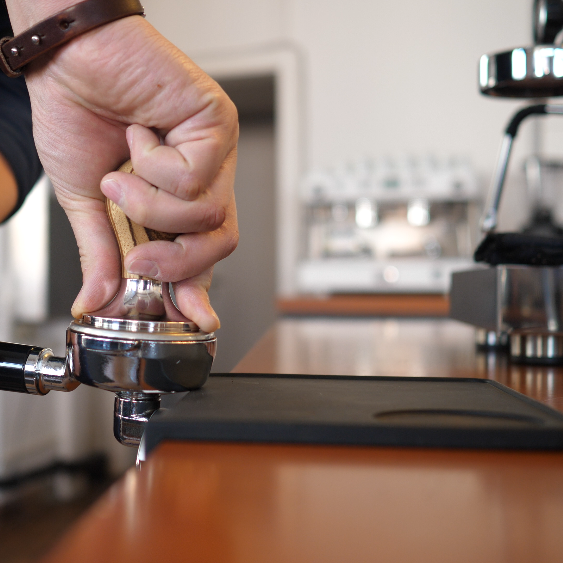
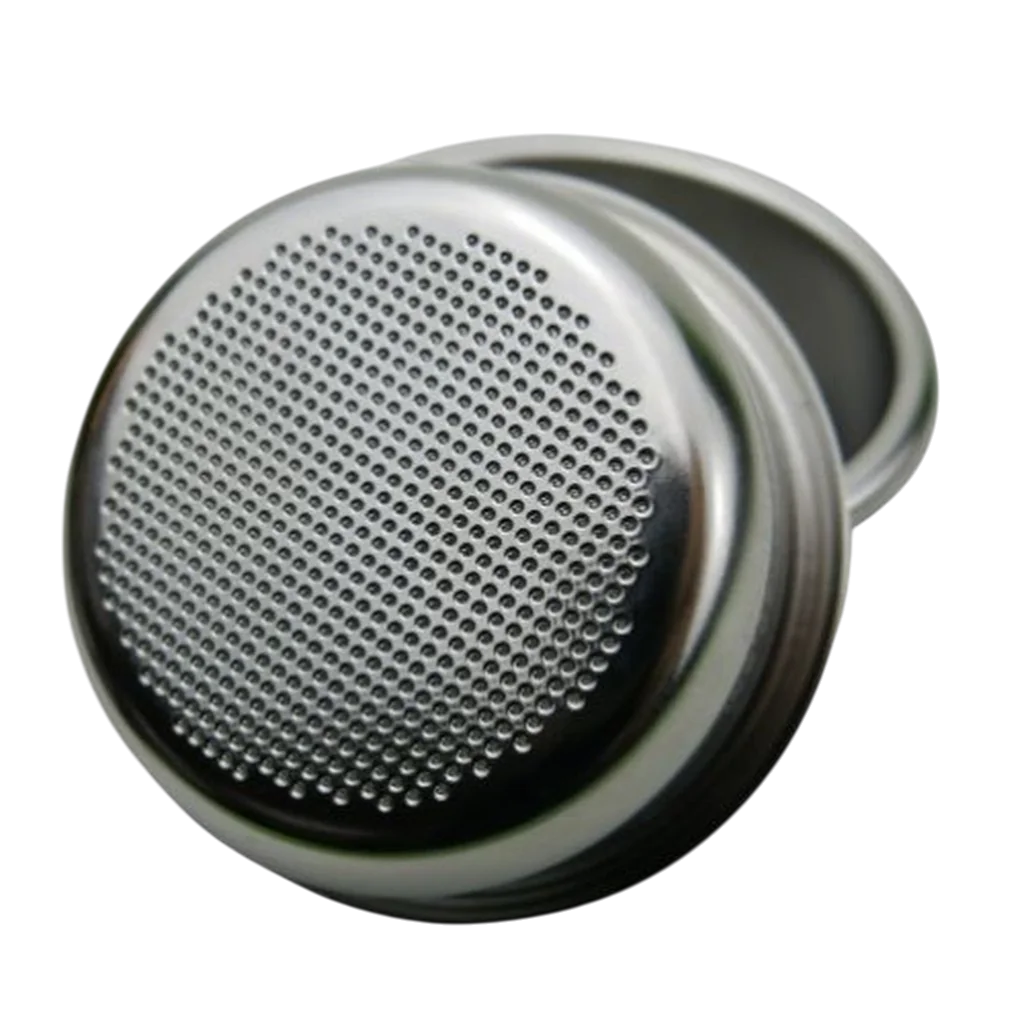
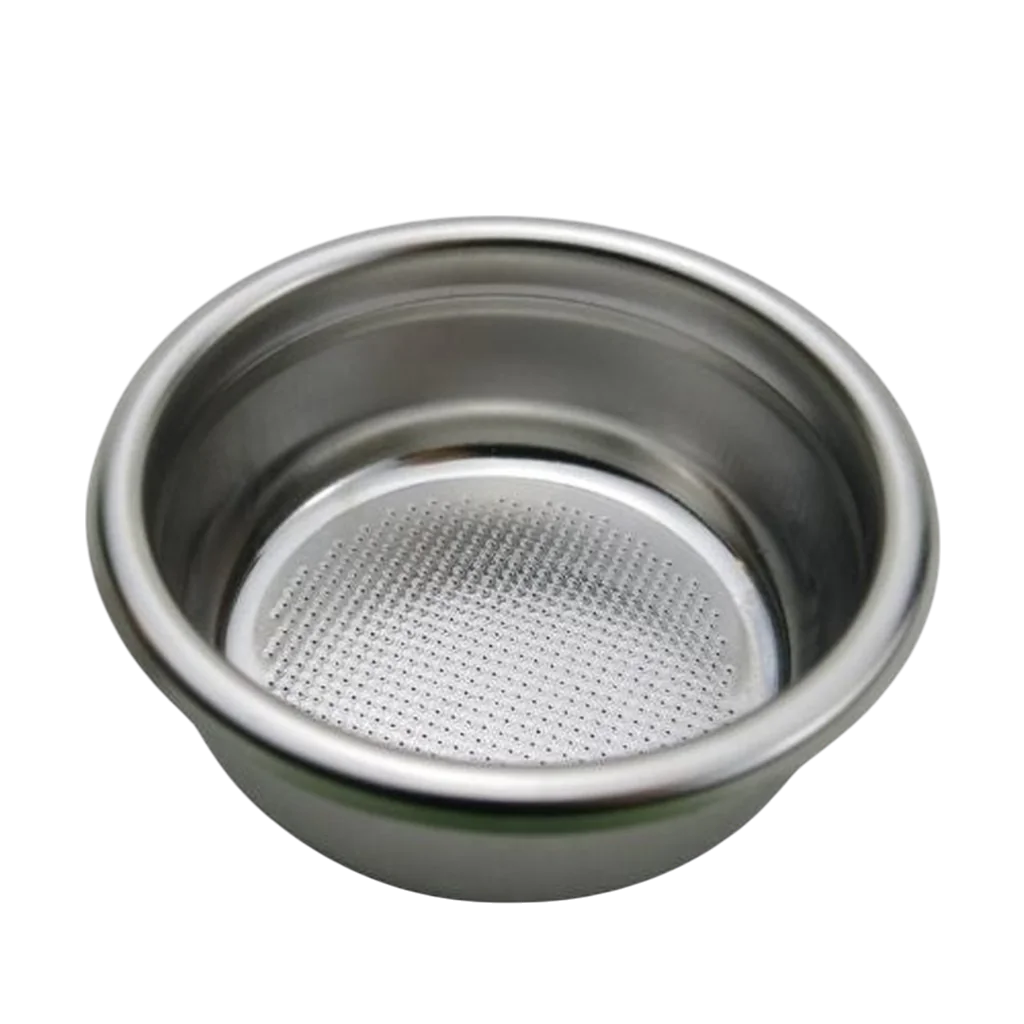
The E2-S package includes a 350 ml milk pitcher in addition to a flush-fitting 58 mm tamper, a portafilter with a walnut handle, a black cleaning cloth, a blind basket for backflushing, as well as single and double espresso baskets.
Moderate Noise Levels and Very Low Energy Usage
Noise levels across espresso machines have improved significantly in recent years. There are now models on the market that are remarkably quiet, reaching values as low as 53 decibels. The Zuriga E2 measures at 64 decibels. It is not as quiet as its compact appearance might lead you to expect, as its delicate footprint might suggest an almost silent operation. We place it in the mid-range for sound level.
In terms of energy consumption, the machine has taken another leap forward. Even its predecessor performed extremely well here. The new Generation 2 model improves further, achieving a top score of 0.058 kWh for 5 double espresso shots including heat-up in our energy testing protocol. That is phenomenal, and lower consumption is hardly achievable.
For comparison: traditional dual-circuit heat exchanger machines typically require 0.25 kWh and above, while dual boilers where the steam boiler cannot be turned off quickly reach 0.35 kWh or more for 5 double shots. This is primarily because large volumes of water and heavy metal components must be heated slowly. This is where the Zuriga E2 benefits immensely from its rapid 2-minute startup.
2-Minute Heat-Up Time!
We mentioned it in the introduction, yet the heat-up speed deserves its own section. A 2-minute heat-up time is simply sensational. Anyone accustomed to a capsule machine or a fully automatic bean-to-cup machine might think: what's the big deal? But in the world of portafilter espresso machines, heat-up times of over 25 minutes were the standard for decades. Five years ago, a few manufacturers broke the 20-minute barrier, and only a handful today manage under 10 minutes. When it comes to high-quality, precise espresso machines, rapid-heating units that warm up in under five minutes can be counted on one hand.
The Zuriga E2 masters this effortlessly thanks to its thick-film heater. And after 2 minutes, it is not merely roughly warm—it is spot on its operating temperature.

Temperature Stability as a Core Strength
When evaluating temperature stability, we test typical usage scenarios for home espresso machines and base our benchmark on best-practice values established across extensive test series. To determine ready-to-brew heat-up time, we measure when a machine can consistently deliver an average brew temperature of 92 °C (measured from second 5 to second 25 of the shot).
Our default target and test temperature is 93 °C. Whenever possible, we set machines to 93 °C and measure deviation from this target. 93 °C is an optimal brew temperature that delivers great flavor results across a wide range of roast profiles.
Zuriga also targets a 93 °C brew temperature. The temperature on the machine is fixed and cannot be manually adjusted.
KM Temperature Protocol
To evaluate temperature stability, we flush hot water through the portafilter after 2 minutes, then pull 5 consecutive double shots at one-minute intervals (the KM Protocol).
On the very first shot, we measured an average temperature of 93.07 °C. Across all five shots, the overall mean temperature was 92.85 °C. The standard deviation across all shots was just 0.93 °C. These are exceptionally precise values—the best we have recorded to date for an espresso machine with a vibration pump under our current test protocol.
The KM Protocol simulates typical home usage while testing whether a machine can handle serving back-to-back shots for guests or family members. It succeeds from the very first shot, with shots 2 through 5 showing even greater consistency.
WBC Temperature Protocol
In the second stage, we subjected the machine to the World Barista Championship (WBC) Temperature Protocol. This protocol measures 14 shots at increasingly rapid frequencies. Even under this demanding scenario, the Zuriga E2 performs remarkably well, yielding a standard deviation of 1.15 °C. The WBC protocol measures starting from the fourth second of extraction. Because the Zuriga uses a vibration pump—which delivers lower water flow during the initial seconds—it takes about 9 seconds for the machine to reach full pressure and temperature. This ramp-up is characteristic of all vibration pumps. Consequently, WBC measurements on vibration-pump machines are only partially comparable to those on commercial rotary-pump machines. However, if we evaluate the data once the pump reaches full operating pressure—say, from second 8 onward—the standard deviation across all 14 shots drops to just 0.41 °C. That would make the Zuriga fully WBC-compliant! That is truly impressive.
A quick note: I personally really like the gradual pressure ramp-up. Unlike a rotary pump, it does not slam maximum pressure onto the coffee puck instantly. For entry-level to mid-range espresso setups, I often consider vibration pumps the better choice for shot forgiveness.

Smart and Functional Design
Two buttons and a steam wand: that is all the Zuriga needs to receive user commands. Admittedly, the feature set is pared back. Espresso is brewed via a simple start/stop button—there is no volumetric dosage control or programmable shot timer. Nor is there a digital display or water level indicator.
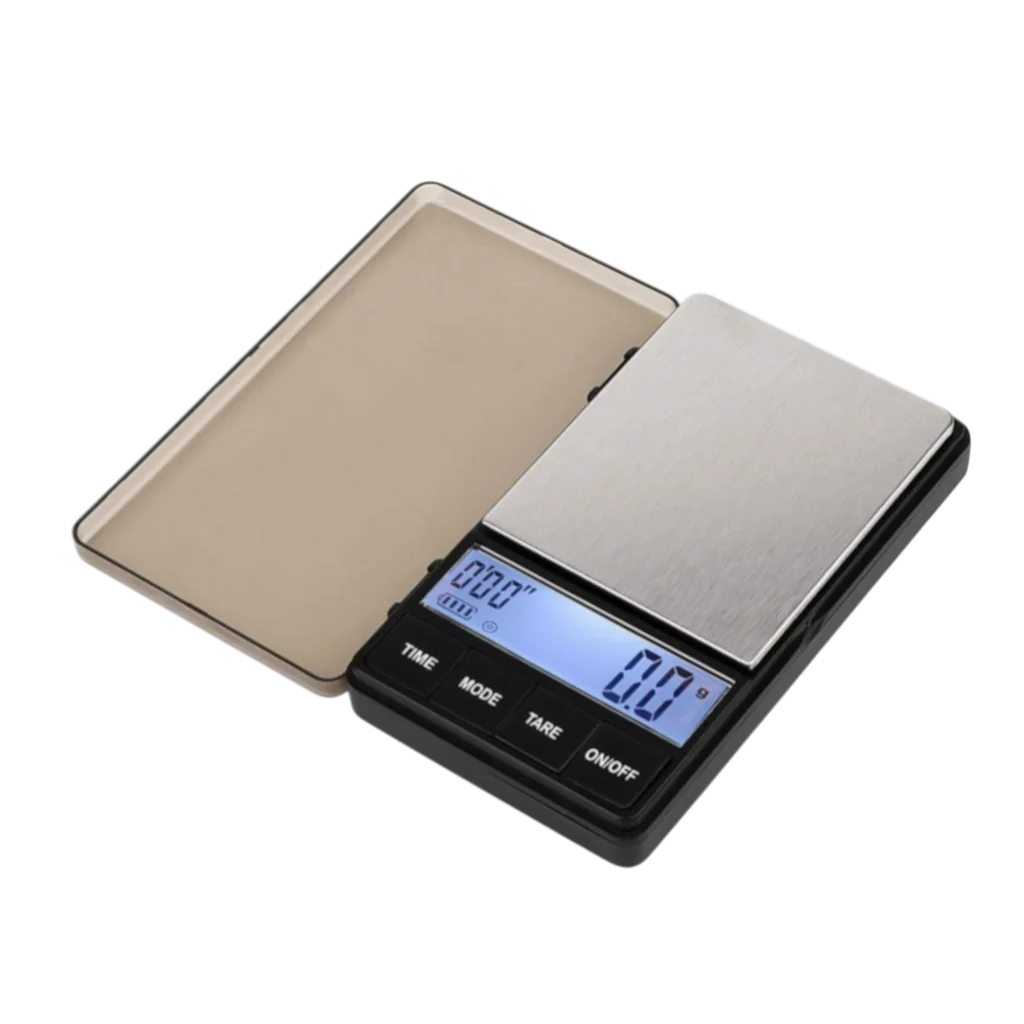
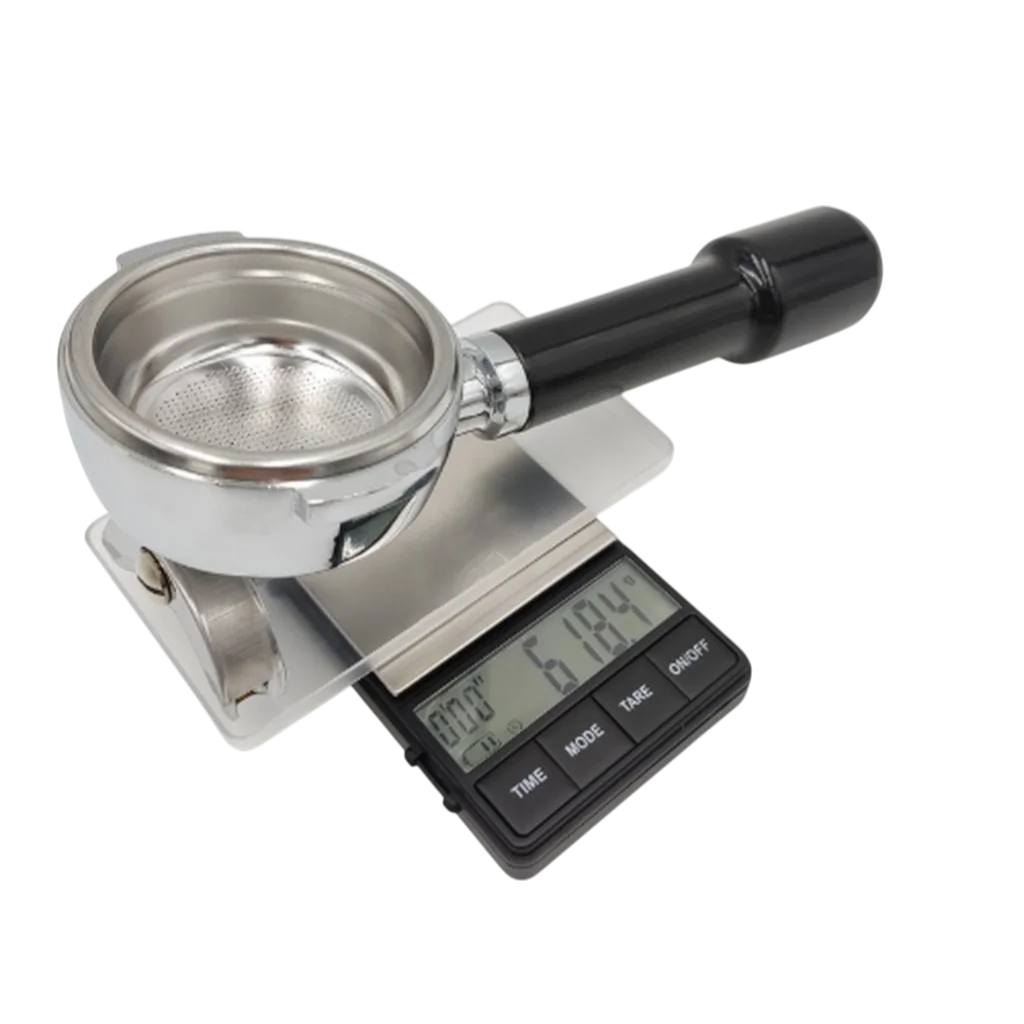
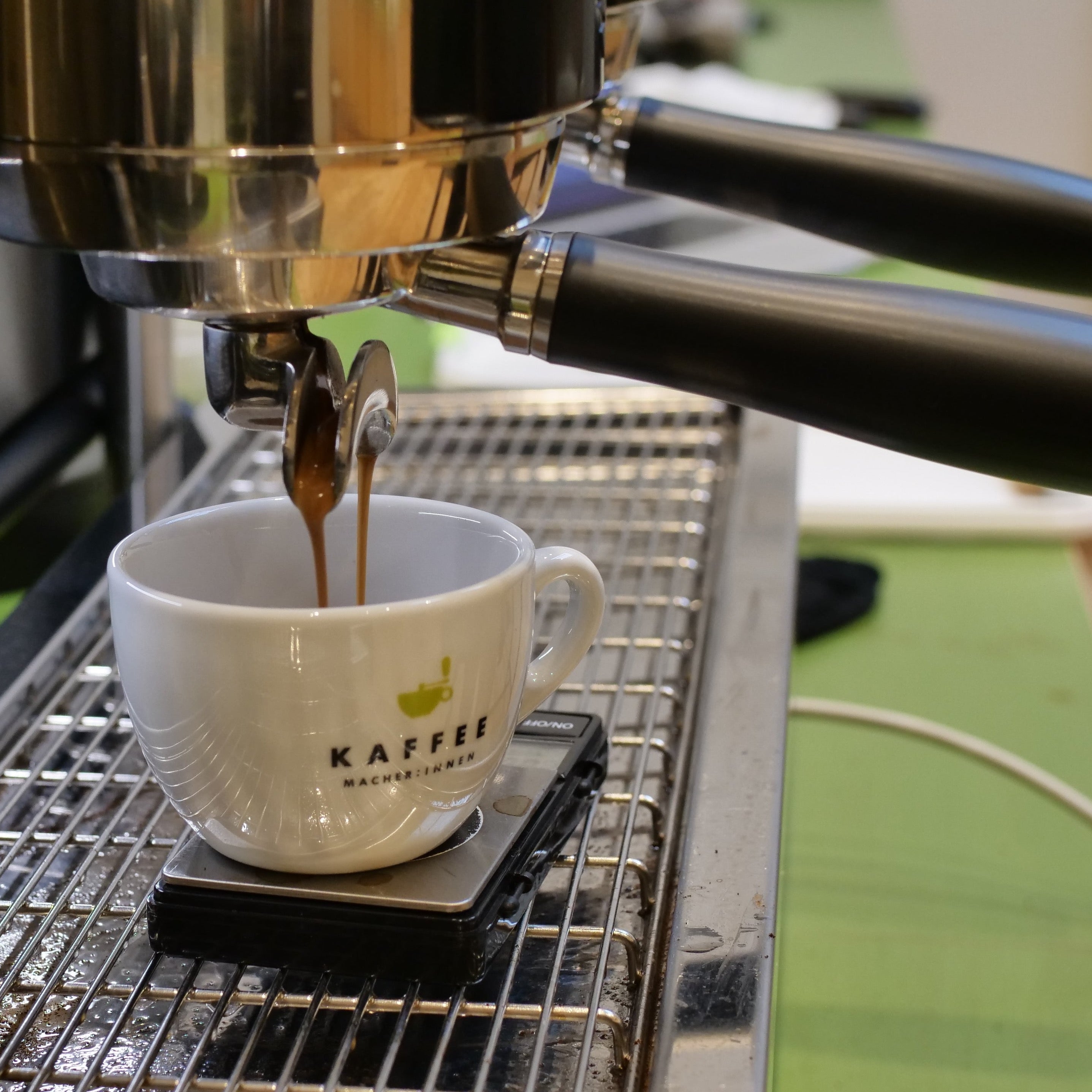
To brew great espresso, an espresso scale is therefore essential. A scale tracks both shot yield and brew time, making it easy to dial in recipes. For example, we dosed 18 grams of coffee into the basket and pulled two 22.5-gram shots in 25 seconds. You can read more about dialing in and brewing great espresso here.
Similarly simple and intuitive is the start/stop function for steaming milk. Swinging the steam wand forward activates the heating process for the steam module. The LED rings around both buttons glow orange instead of white. The machine is ready to steam as soon as the lights switch from flashing to solid yellow.

Exterior Details and Build
A machine this compact naturally impacts the size of the drip tray and water tank. While the 700 ml water tank lasts for a reasonable number of shots—and using fresh water regularly is good practice anyway—the small drip tray can fill up quickly. This happens especially if you flush water between shots to warm the portafilter and clean the shower screen. Emptying the tray daily should become part of your routine to avoid spillages on the way to the sink.
The water reservoir, crafted from laboratory-grade glass, is not only exceptionally sturdy but also visually striking—it could easily double as a vase. However, removing and reinserting it into the machine requires care, as it lacks a dedicated handle. But that is minor feedback on an otherwise stellar design.
The machine's stability on the counter is a positive highlight. At 9.5 kg, it might seem light on paper, but thanks to suction feet underneath the base, it stands rock-solid. Many lighter espresso machines slide when locking or unlocking the portafilter; the Zuriga stays firmly in place without requiring you to hold it down with your free hand.
The water tank lid, crafted from solid walnut to match the portafilter and tamper handles, is equally elegant and tactile.

Conclusion and Summary: Zuriga E2-S
The Zuriga gets so many things right—not just because it pulls great espresso and, in the E2-S version, steams milk capably, but because it is a thoroughly modern espresso machine that breaks with outdated conventions. Instead of heating a massive boiler, it heats only the water you actually need. The company showcases what thick-film technology can do: precision, speed, and minimal energy consumption. Combined with excellent control tuning and sensor technology, the result is nothing less than the best espresso machine in its class under €2,000 / CHF 2,000.
As if that were not enough, the machine is built in Switzerland using components sourced primarily from Swiss suppliers. The company is approachable and maintains a progressive stance on sustainability, transparency, and customer relationships.
Quality is evident both in its exterior fit-and-finish and inside the chassis. Despite manufacturing in a high-cost country, Zuriga has delivered a product that is reasonably priced not only by Swiss standards, but also highly competitive against international imports.
The Zuriga E2 is an espresso machine we can recommend without reservation. We can picture it in numerous settings: it looks sleek in a home kitchen or living room, functions well in an office environment, or can even travel with you. The matching grinder with Grind-by-Weight technology also makes a great pairing, which we will cover in a separate review.
Of course, in an office or high-volume setting, the small water tank and drip tray will require frequent refills and emptying. But those are minor trade-offs when the espresso quality is this high.
There is very little to criticize. If we had one wish for the future, volumetric shot programming would make the Zuriga even better. But perhaps Zuriga decided to leave a few arguments for other manufacturers, given that this new generation is nearly impossible to beat on temperature stability, energy efficiency, and heat-up speed.
Appendix and Archive
Operating Principle of the First-Generation E2 and E2-S
The first-generation E2-S differed from the base E2 by adding a secondary heating element for steam and a front-swiveling milk wand. The stainless steel body (17 cm wide, 23 cm deep, 31 cm high), the 700 ml water tank, and the 70 ml titanium-coated aluminum main boiler were otherwise identical. With the additional steam components, the first-gen E2-S weighed about 500 grams more, bringing it to 9.5 kg.
This earlier version is no longer in production. We retain this information as an archive for anyone who purchased a Zuriga prior to mid-September 2024 or is evaluating a used first-generation unit.
The original Zuriga E2 operated on a single-boiler principle similar to the Gaggia Classic. Its boiler aimed for a fixed target temperature of 93 °C. However, the E2 did not make single-boiler compromises by offering a steam switch; instead, it omitted milk frothing entirely (similar to the Quick Mill Carola). On traditional single boilers, steam switching often compromises brew temperature stability and yields mediocre steam performance anyway.
Instead, the base E2 offered no steam. The E2-S introduced a secondary heating element: a steam module activated when the steam wand was swung forward. Water from the main boiler was fed into the steam module, which generated steam for frothing.
In this setup, the first-gen E2-S functioned somewhat like a dual boiler, albeit without simultaneous brewing and steaming. The major advantage was that the brew boiler remained at brew temperature, unaffected by frothing, allowing a shot to be pulled immediately after steaming.

On the original model, brew temperatures settled around 91 °C over consecutive shots. In our view, that temperature was too low for many light-to-medium roasts, especially given that temperature dropped by up to two degrees during extraction. We confirmed this result even after preheating the first-gen unit for extended periods.
This lower initial temperature occurred because the first-gen Zuriga measured temperature via a probe beneath the boiler and controlled boiler temperature accordingly. Our measurements, however, are taken directly above the coffee bed using a Scace device—matching the measurement point we use to define optimal espresso extraction temperatures.
In summary, the first-generation Zuriga could not match the shot-to-shot temperature consistency of the dual-circuit heat exchanger machines we tested. However, it scored well across 5 consecutive shots regarding shot-to-shot drop-off. When given one minute between shots (as specified in our test protocol), it repeated its temperature curve reliably, whereas many heat exchangers dropped 3 °C by the fifth shot in a row.
Feedback from Zuriga (March 2023)
"As of this week, we are shipping our ZURIGA E2 and E2-S units with slightly adjusted control parameters. Prompted by your measurements at @Kaffeemacher, we conducted additional tests in our R&D lab. Based on those results, we fine-tuned the electronic control parameters. The result is even more precise control and a slightly higher temperature at the group head. We then invited our neighbors from Vicafé for a side-by-side tasting across different roasts. The adjustment is perceptible on specific single-origins and light roasts—though detecting it requires trained sensory palates and direct side-by-side comparisons."
"We are grateful for your feedback at @Kaffeemacher. It sparked a small but meaningful refinement, and we appreciate it!"
P.S.: We are applying these firmware updates to all existing machines sent in for service or repair at our workshop. Owners wanting a temperature adjustment can book a workshop service.
Do You Have Experience with the Zuriga?
We welcome your personal experiences with the Zuriga to expand and refine our community insights. Your feedback helps everyone researching this machine. Please feel free to share your thoughts in the comments below. Thank you!