






9 Decision Tips
Reading time: 5 minutes. This article is a short blog. You can find the detailed blog post here.
Every person has individual taste. That's why there isn't ONE coffee for everyone. However, there are criteria you can use to find your favorite coffee. In this post, we give you 9 decision tips.
1. Which coffee is right for you? Espresso, Moka, or Filter?
If you're certain you only want espresso, you can also jump to the section "Which coffee for espresso."
Every coffee drink also has a psychological and social dimension. An espresso rounds off a delicious meal or provides a quick, refreshing break. For longer socializing, filter coffee or latte macchiato is more suitable.
Espresso
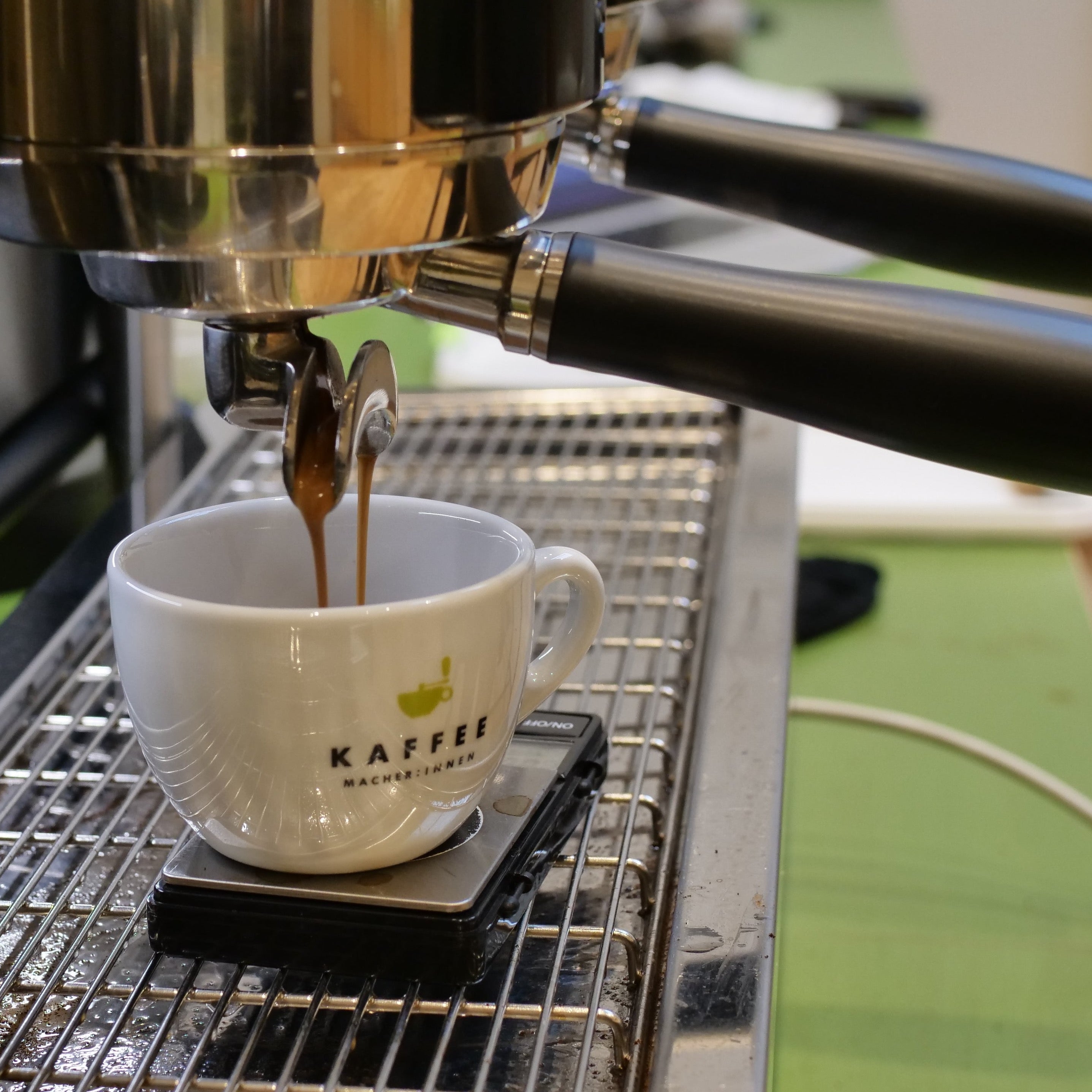
A concentrated espresso feels creamy and thick in the mouth. 7-10% of the drink consists of dissolved coffee particles. A flavor explosion in 25ml.
Filter Coffee
A filter coffee consists of only about 1% dissolved coffee particles and 99% water. It feels soft and tea-like in the mouth. The flavor doesn't explode but unfolds slowly.
Note where you fit in. Espresso or filter? Or somewhere in between, like Americano or Café Crème
2. Light, medium, or dark roasted?
Rule of thumb: The lighter a bean is roasted, the more differences you can taste. The darker the roast, the more similar different beans taste.
Light roasts are more complex and contain sweet, fruity notes. If they're too light, these coffees taste grassy and grainy. Dark roasted varieties emphasize chocolate and roasty notes. Overly dark roasted coffees taste burnt.
The range between light and dark roasts is very wide with many nuances. These descriptions simplify the complex topic, but they give you a good direction.
3. Coffee Beans to Your Happiness: Arabica or Robusta
There are two dominant raw coffee species: Arabica and Robusta (also called Canephora).
Robusta
Strong, earthy, and full-bodied—that's how you can describe the taste. It has a higher caffeine content and tastes more bitter. It's traded more cheaply and often forms the basis of instant coffee and inexpensive espresso blends. But that doesn't have to mean anything. As a strong coffee or as a base for milk-based drinks, Robusta beans or blends are suitable. However, Robusta beans have developed enormously, especially in post-harvest processing methods, and promise many exciting roasted coffees in the near future.
Arabica
Less bitter, fine acidity, and more complex—that's Arabica. It's good for filter coffees or espressos. It comes pure or as "blends."
4. Which coffee for filter coffee and French press?
The same coffees can be used for French press or plunger pots as for filter coffee. Since filter coffee consists of only 1% dissolved coffee particles, its flavor variations are more subtle. We recommend light roasts instead, which allow you to explore the flavor profiles of different growing regions very well. Central America or Papua New Guinea, Kenya or Ethiopia—it all makes a difference in the cup. However, it comes down to your personal taste! Try, try, try!

5. Which coffee for espresso?
Since espresso is so concentrated, it forgives few mistakes in preparation. If it's too bitter, that bitterness runs through you. If it's too sour, it nearly knocks your socks off. But if the espresso is just right, then it's phenomenally delicious!
The art is to integrate the acidity into the espresso and set all flavor notes in an interesting, balanced ratio.
What type of espresso drinker are you?
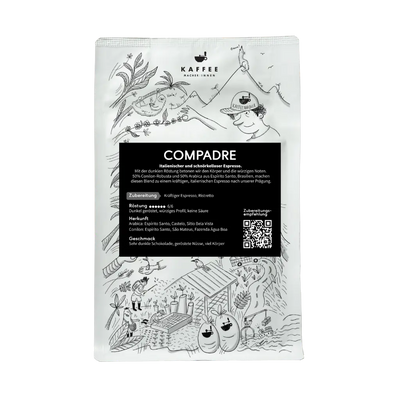
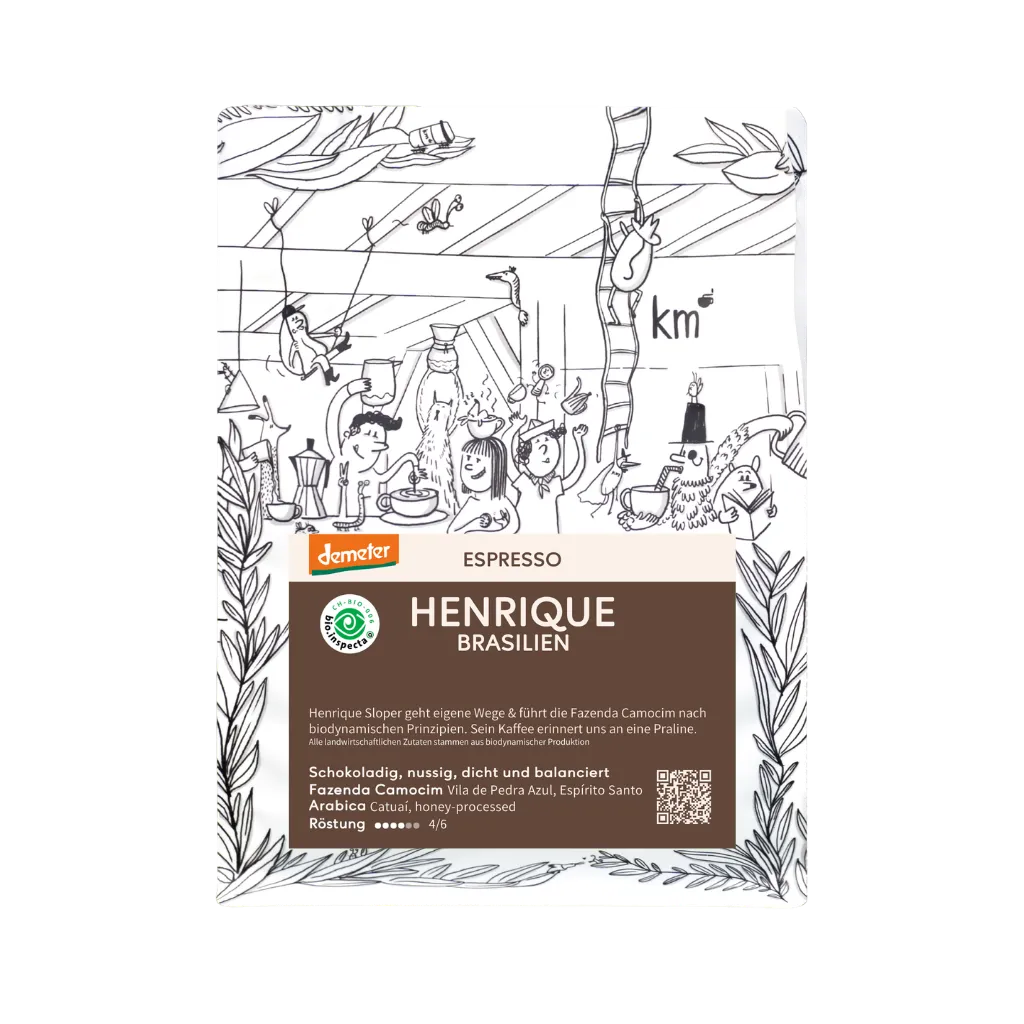
If you like espresso like from an Italian vacation, then blends with Robusta content or pure Robusta coffees are what you're looking for. They taste dark, rather bitter, and strong. You'll usually find these descriptions on roastery packaging too. To perfect the Italian feeling, the shot should be short and snappy. 7-8 grams of coffee to 15-18ml of drink.
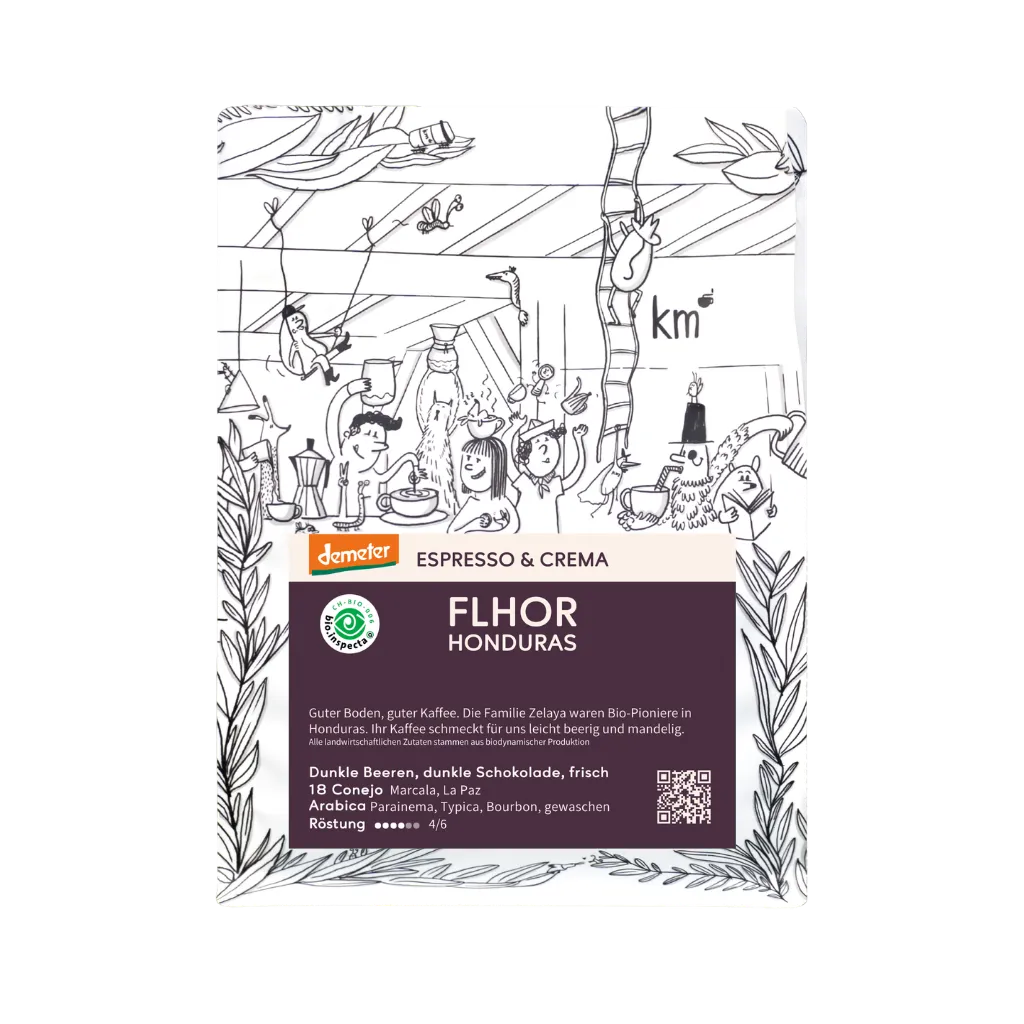
Slightly longer and more balanced espressos stand in contrast to Italian roasts. These often lighter roasts should be brewed with longer drink ratios of 1:2.5 or even 1:3. 9 grams of coffee become 22.5 or even 27 grams of drink. This preparation brings out many nuances, and here you can hit the coffee's "sweet spot."

6. Reading the coffee label correctly—or what you shouldn't buy
The back of coffee packages reads almost as poetically as a love poem. But don't be fooled. The more precise information you find, the better.
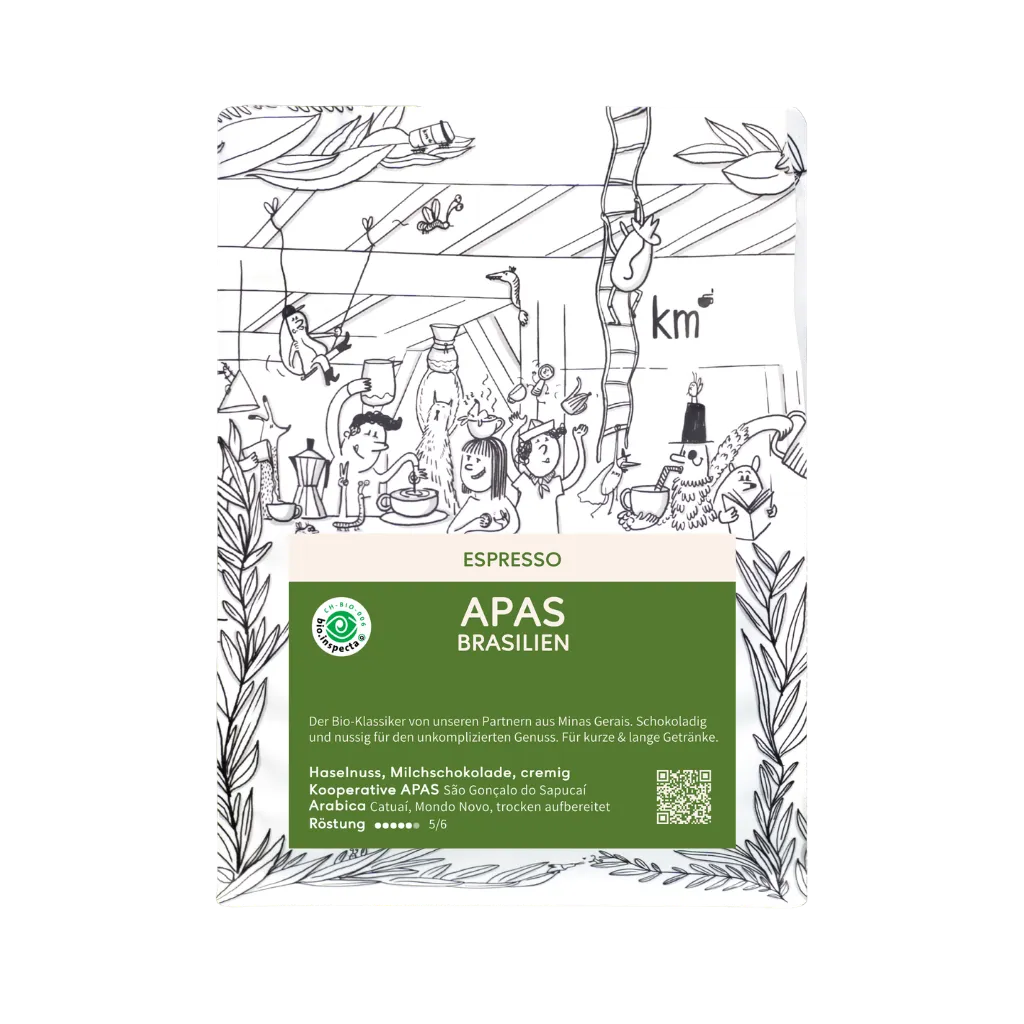
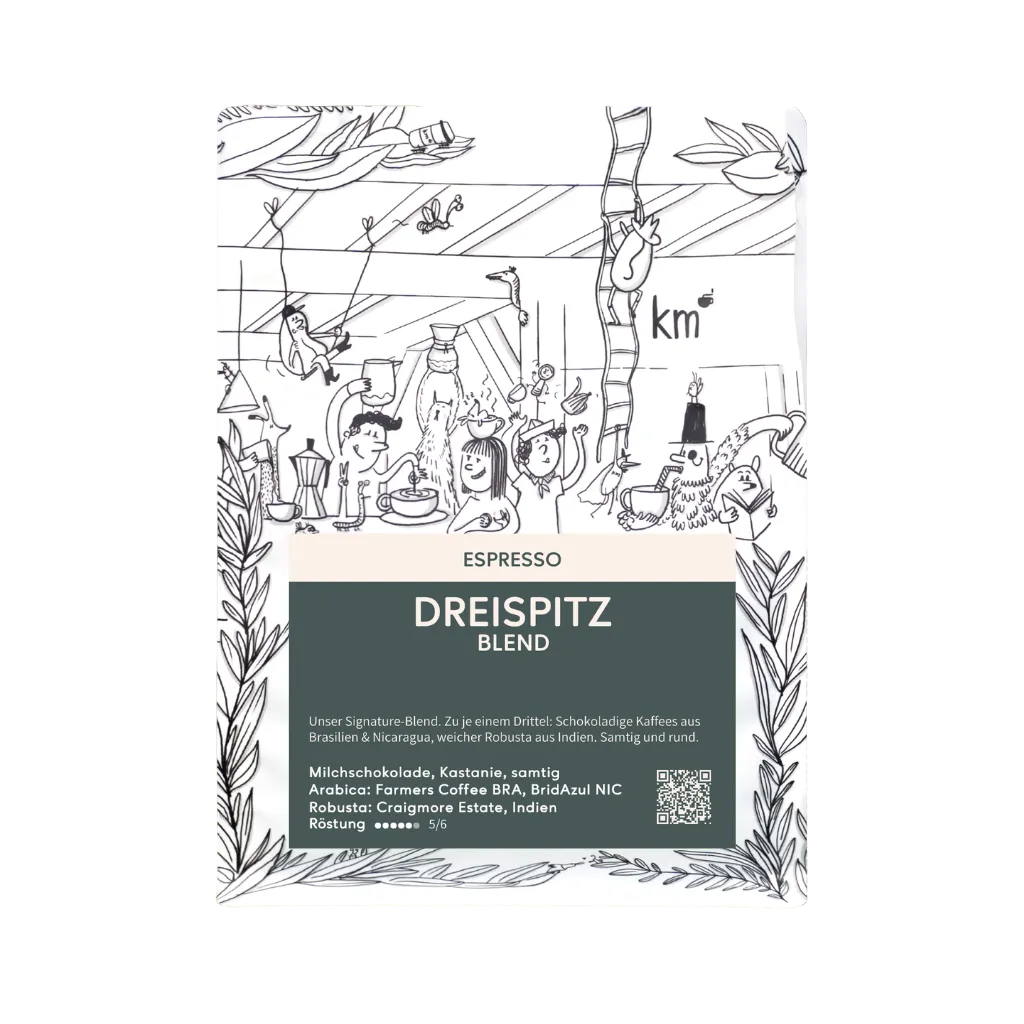
Minimum standards for coffee purchase should be the roast date (no older than 2 months), information on origin, and the bean composition. Beyond that, there can be information about processing, coffee variety, and even a specific plantation.
Unfortunately, this is still no guarantee that you'll like the coffee, but only that you've bought a high-quality coffee. Now it's up to you: Train your palate. Try to taste precisely whether the coffee is too sour or too bitter (these are often confused!). If this isn't due to preparation errors, you can get in touch with the roaster and include their recommendations. Some roasteries also offer tastings where perfectly prepared coffees can be tested. That way you'll quickly find your favorite variety in your area! If you want to know for sure, you can also take a sensory training course.
7. Which coffee is healthy and digestible?
Whether coffee is explicitly healthy or unhealthy is disputed. The truth probably lies somewhere in the middle. There are health-promoting aspects as well as potentially harmful ones.
Whether coffee is digestible depends a lot on the quality of the coffee. Coffee should not be picked unripe or overripe. The ripeness of the fruit should be as homogeneous as possible to avoid follow-up problems (uneven fermentation, etc.). Roasting unevenly ripened beans is also more difficult. Your coffee should not be roasted too quickly or too light. Roasting for too long or too dark also makes it indigestible.
8. The best coffee is freshly ground
One of the most important points near the end. The coffee should be freshly ground before brewing. And really fresh. Grinding the coffee bean makes the coffee extremely susceptible to reactions with its environment. The aroma fades within minutes. The second advantage of fresh grinding is that you can perfectly adjust the grind size and thus the flow rate and extraction of your coffee. So never buy pre-ground coffee; instead, invest in a grinder, enjoy the smell of freshly ground coffee, and make perfect drinks.
9. The best coffee in the world
You've probably heard about the Kopi Luwak cats that eat coffee beans and therefore detect exactly the right ripeness. But this "cat coffee" is, like Monsoon Malabar or Jamaica Blue Mountain, above all very, very well marketed. These coffees are not objectively the best in the world; rather, they've managed to establish themselves on the market as exclusive luxury goods through partly quirky stories. But with our tips in this post, you'll also find very, very good coffees from local roasters that won't break your budget!