






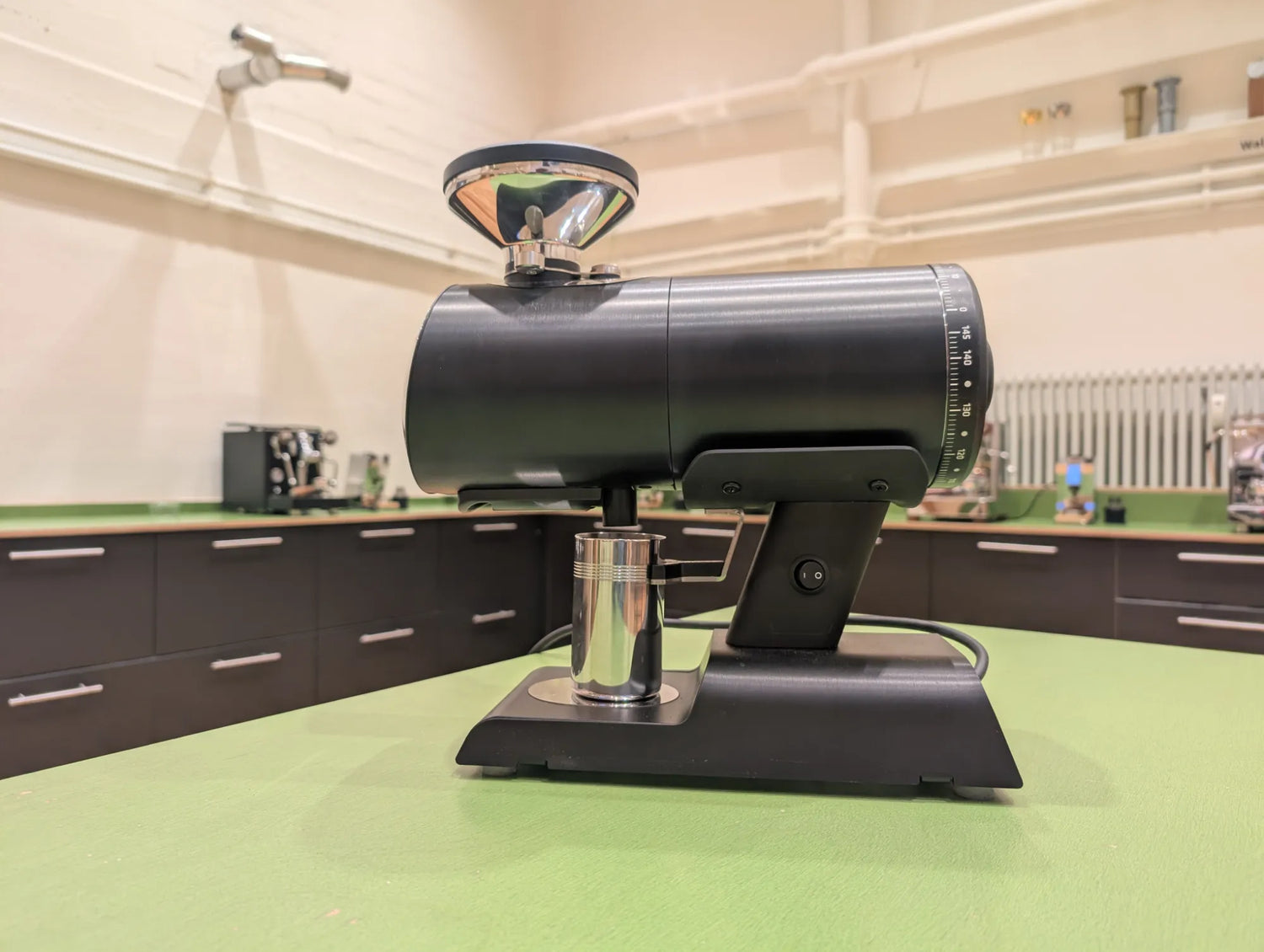

The Mazzer Philos impresses as a heavy, versatile single-dosing grinder for filter and espresso with exchangeable burrs, precise grinding performance and, despite weaknesses in consistency.
We subjected the grinder to six months of intensive testing, tested it in the laboratory, measured particle distributions, and also tested it under real conditions at the Swiss Coffee Festival. In this article and video, we summarize our findings. Of course, we also share our workarounds for the consistency issues that we ourselves discovered with the Mazzer Philos.
Buy Mazzer Philos
The following specialty shops carry the Mazzer Philos and we can recommend purchasing from these businesses. All offer the option to adjust the machine's offset.
Germany: [Partner links] Stoll Espresso
Switzerland: [Partner links] deon
We search for specialist partners who we know provide good work and good service, and we maintain close contact with the retailers mentioned. The links are so-called affiliate links. If you order through one of these links, you don't pay a cent more – however, we receive a small commission that we invest directly in new test equipment.
We continue to search for competent partners in the DACH region for you.
A Material Statement
On the one hand, the Philos impresses with high-quality material selection and manufacturing. The inner piston is completely machined from stainless steel, and the outer housing consists mainly of anodized aluminum. Combined with the 400-watt motor, the Philos weighs an impressive 12.5 kilograms. On the other hand, some plastic parts stand out negatively and detract from the otherwise premium appearance. These include the on and off button, the bean hopper lid, and the "click" mechanism for removing coffee powder at the coffee outlet chute. These parts appear less high-quality, and visible manufacturing edges and marks are evident on the plastic components.
While this detracts from the overall positive impression, it does not cause serious damage to the overall quality of the grinder. The Philos is available in silver and black versions.
In our region, the Philos operates at 50 watts and 1600 revolutions per minute. Mazzer itself offers two 64mm burrs suitable for the Philos: The I189D is specifically recommended for espresso, while the I200D serves as an all-purpose solution for espresso and filter coffee according to the manufacturer. We can already confirm these specifications, and we'll go into more detail in the video and later in the article.
The burrs are positioned vertically in the grinder and each is fixed with three screws. Changing the burrs is possible without tools. However, the two wing nuts are initially tightened so tightly that opening them poses a risk of injury.
Our test grinder was delivered with good alignment. The entire inner and forward-pulling part is guided very precisely into the grinder and shows no play. This part carries the front burr. Particularly striking is a large pre-breaker, which according to Mazzer, functions less as a pre-breaker but rather as a "bean guide" to the burrs.
As a specialist retailer for the distribution of Mazzer Philos, we can recommend Stoll Espresso*.

Usability and retention
Mazzer has placed the grind adjustment on the back of the Philos. This makes access difficult for people in wheelchairs and also for users when the grinder is positioned further back on a work surface or under a hanging kitchen element.
There are understandable reasons for this placement, but it does affect usability. However, an advantage of the construction is that the grind setting remains fixed even when the grinder is opened and cleaned from the inside. By the way, the originally stepped-regulation grinder can be converted to a stepless version by removing a sprocket located under the grind adjustment cover. The steps of the Philos are relatively fine: per step, the burrs distance themselves by 0.6 micrometers, which results in a change in extraction time of just under two seconds for espresso.
The grinder impresses with minimal static problems and is thus a positive exception among single-dosing grinders. The bean hopper effectively reduces the so-called popcorning. Additionally, the grinder has a sliding mechanism with which the hopper can be closed. This makes the unsightly plastic lid unnecessary.
We measure a temporary retention of 0.1 grams and a permanent retention of 0.5 grams. In practice, the permanent retention can empty in favor of the temporary retention, which creates a certain amount of play. In the front part of the grinder, there is a hidden cleaning port that is used to empty the ground coffee chute. However, this was rarely used in our test because the reworking of coffee powder after using the "click-dosing finisher" was too cumbersome and could not be smoothly incorporated into the workflow. With a temporary retention of 0.1 grams, we could live well, provided the effective output amount was correct.

The Mazzer Philos is easy to open and easy to clean.
Consistency Issues
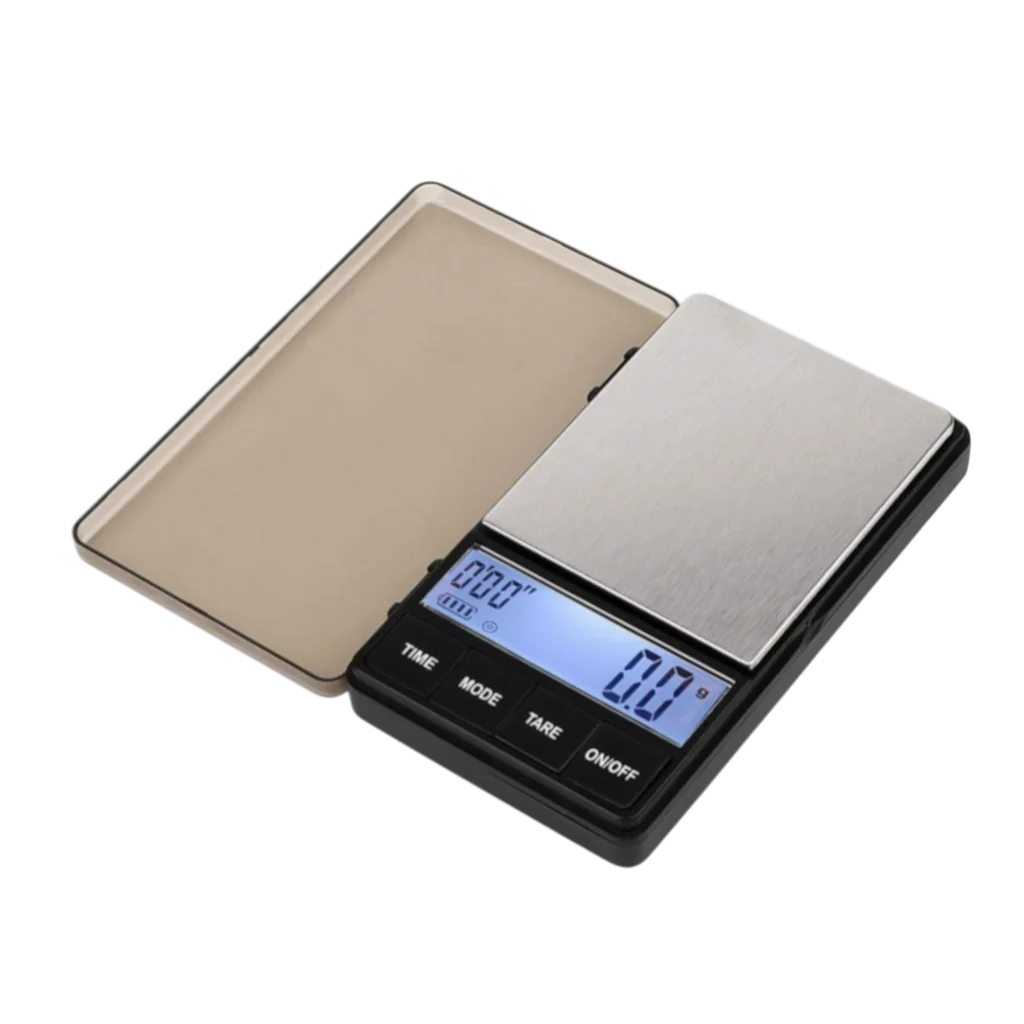
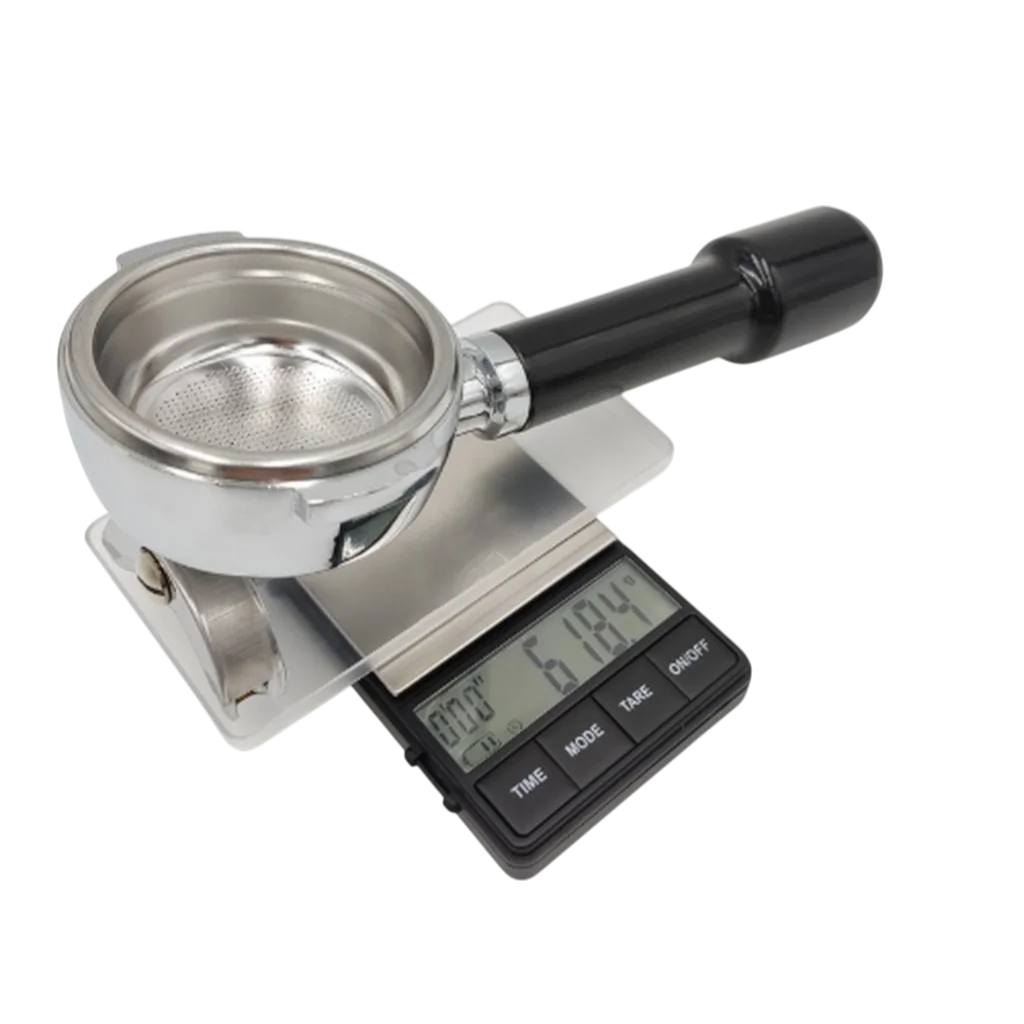
Although we could repeatedly measure very consistent shots and grinds with the Philos, consistency problems still occurred regularly. We see one reason for this in the release of permanent retention. It regularly happened that the grinder dispensed 18.5 grams of coffee instead of the entered 18 grams. We only noticed this because we had gotten into the habit of always checking the dosage after grinding. This deviation occurred even though our process remained unchanged. In these cases, a larger portion of the permanent retention released from the grinder and increased the amount of coffee. On the next grind, the retention would fill back up, so only 17.5 grams were dispensed – 0.5 grams were missing. The result was irregular espresso shots until we started strictly monitoring the output amount and either regrinded coffee or reduced the weight.
However, from our perspective, this is only one factor that explains the occasional consistency problems with the Philos. The second lies in the geometry of the dosing cup. While the grinder itself has only minimal static problems, these are clearly evident in the dosing cup. Coffee sometimes sticks to the edges and corners at the bottom of the cup.
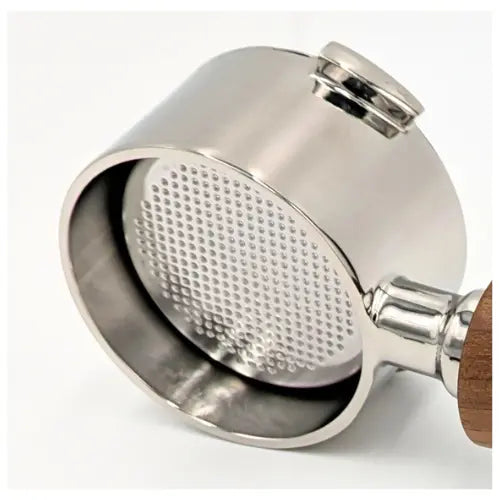
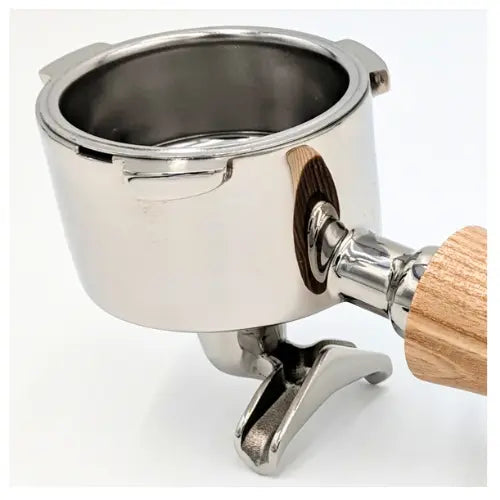
However, the main problem with the dosing cup lies elsewhere: Despite WDT (Weiss Distribution Technique) and careful puck preparation, the cup repeatedly led to severe channeling in our tests. The reason is that the cup sinks completely into the portafilter instead of – like many other dosing cups – resting slightly on the edge of the portafilter thanks to side wings. This creates craters to the bottom of the portafilter, and even with the utmost care, we regularly detected channeling at the edge.
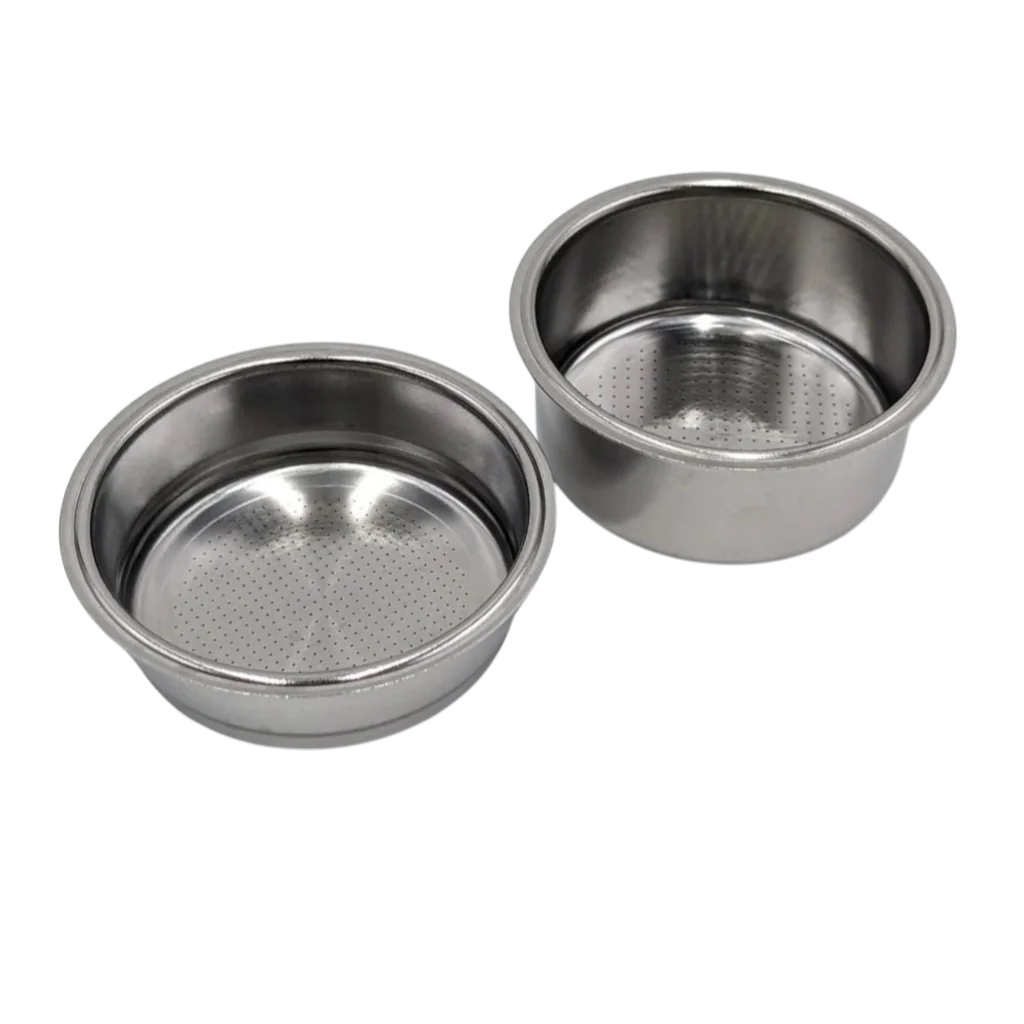
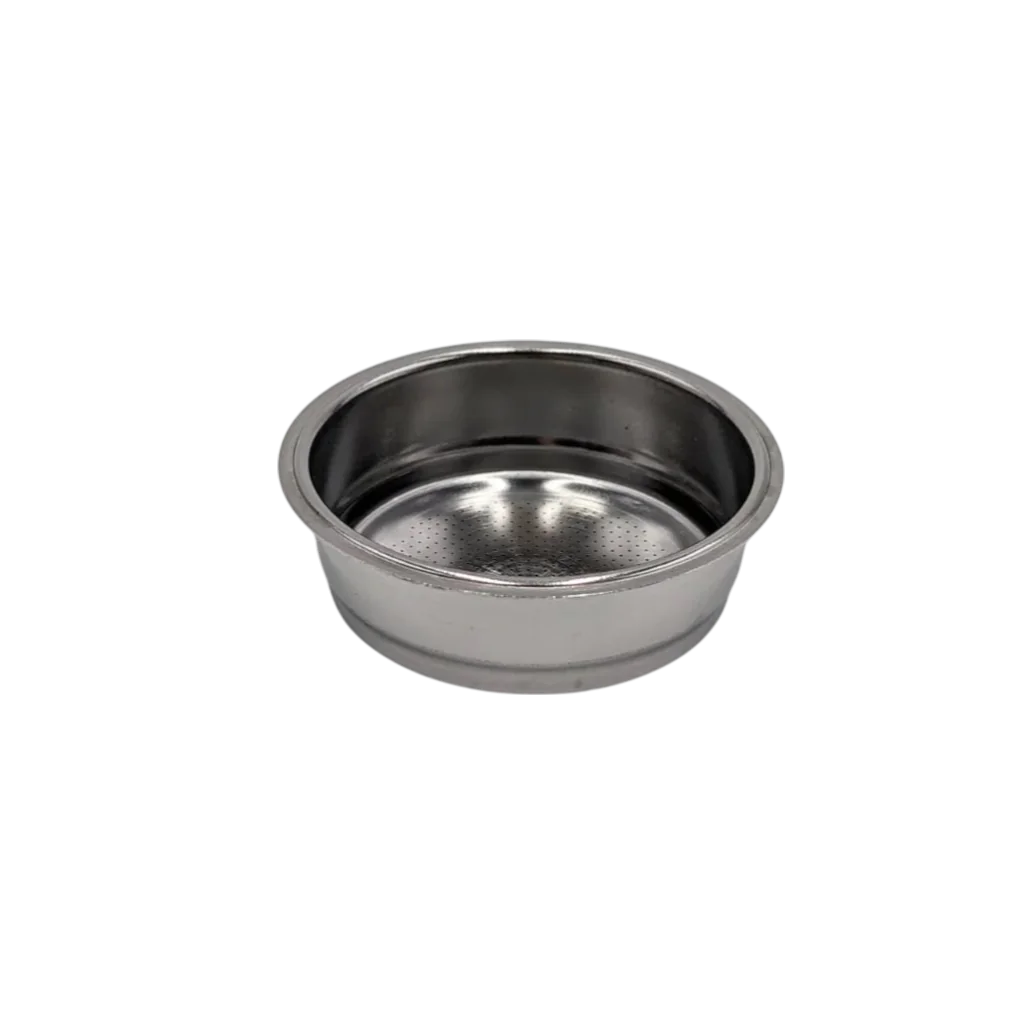
While the dosing cup fits perfectly into the grinder through its magnetic mechanism and size, we nevertheless stopped using it. Instead, we first transferred the coffee into another dosing cup before entering it into the portafilter. You'll also find a dosing cup alternative in our shop.

Speed and Temperature
The Mazzer Philos grinds 18 grams of coffee in 15.2 seconds. Until all beans are completely ground and the last bit of coffee is knocked out, it takes correspondingly a bit longer. Nevertheless, the grinder shows a remarkably high speed for a single-dosing grinder, with a maximum grinding speed of 22.4 grams in 10 seconds. During this process, the ground coffee barely heats up – we measure an average temperature of 31.86 °C.
Our test model is noticeably loud when switched on but not yet grinding. Compared to the grinder of our esteemed YouTube colleague Lance Hedrick, this difference is particularly striking. Our Philos sounds more like the grinder used by our equally highly esteemed YouTube colleague Aramse.
However, as soon as beans are added to the grinder, it is relatively quiet compared to other models. We measure a volume of 78.1 decibels. A volume below 80 decibels is rated as very quiet and thus pleasant for daily use.
Espresso and Filter Performance and Particle Distribution
We have enjoyed numerous excellent espressos ground with the Mazzer Philos. Both burr variants delivered good results.
Burr Comparison
I189D: The espresso burrs I189D impressed us with dense, body-forward and yet balanced espressos. The acidity was reduced, and the pleasant bitterness fit harmoniously into the flavor profile. Especially with medium and darker roasts, the burrs brought the roast aromas well into the cup. However, more complex or lighter roasted coffees lacked some clarity.
We really enjoyed our Apas espresso with the I189D burr. It's a medium roast, chocolatey and well balanced.
I200D: These burrs emphasized the individual character of the coffees more distinctly and delivered clearer results. However, this sometimes came at the expense of body. The extracted coffees were more elegant and complex when optimally prepared. However, achieving the balance of aromas was more difficult with the I200D burrs than with the I189D and especially didn't work as well with medium and darker roasts.
Filter Coffee
For filter coffee preparation, we always reach for the I200D burrs. Some of the best filter coffees from last year were prepared by us with the Mazzer Philos and these burrs. The grinder brought out clarity and complexity of aromas impressively. Both complex specialty coffees and accessible classics like our "Amigo" were extracted excellently. The Mazzer Philos has proven to be an excellent filter coffee grinder and will certainly be used frequently in this capacity.

Particle Distribution
Our particle distribution measurements confirm the quality of the burrs. While the I189D burrs provided a good but not particularly narrow main peak of 206 micrometers, the I200D burrs achieved a significantly narrower and higher main peak of 188 micrometers. Interestingly, the fine peaks of the two burrs differed little. The main peak of the I189D shifts slightly to the left because the higher uniformity of the ground material allows for a finer grind.
The reproducibility of the grinding results also impressed us, even after recipe changes between different coffee drinks. This was evident both in our extraction tests and in the particle distribution measurements. The main peak width differed between the two burrs by only 3 or 4 micrometers after we switched from espresso to ristretto, then to lungo, and back to espresso.
Challenges
The biggest challenge lies in the grind adjustment, which is located on the back of the grinder and is difficult to see. Nevertheless, the grinder – particularly when using the step regulation – remains very consistent in the reproducibility of noted recipes.

Conclusion on the Mazzer Philos
A final conclusion on the Mazzer Philos requires a comparison with other grinders as well as a consideration of the price. The Mazzer Philos currently costs around 1,099 euros. This price is remarkable given the high-quality materials and is only possible because Mazzer, as an established grinder manufacturer, aimed for higher production volumes from the start. For these 1,100 euros, you get not only a powerful grinder but also presumably a grinder for life. Our three old Mazzer grinders have been in use for over 15 years and will likely continue to run for many more years.
Admittedly, there are some components on the Mazzer Philos that could be higher quality. These include the plastic grinding outlet finisher, the lid, and the quickly scratched surface for the dosing cup. However, these parts can be replaced if necessary.
In its core area, however, the Mazzer Philos is excellent. It grinds excellent coffee with both burr variants offered by Mazzer. The I189D burrs are likely the ideal choice for many, especially for lovers of medium roasts. The I200D burrs, on the other hand, deliver excellent results, especially with filter coffee and more complex coffees. We were particularly impressed by the clarity that the grinder enables in filter coffee.
The consistency issues of the Philos are unfortunate, but they can be well addressed through the workarounds we suggest. Replacing the dosing cup and weighing the coffee amount after grinding ensure a consistent process without outliers.
The Mazzer Philos is a powerful and high-quality single-dosing grinder that does not hide behind more expensive models on the international market in terms of quality. Many of these models are significantly more expensive due to import and tax costs. Given its availability, repairability, and longevity, we would recommend the Philos any time from a reputable dealer in the DACH region.
Recommended Specialty Retailers for Mazzer and the Philos
*We search for specialist partners for you from whom we know that they provide good work and good service. We maintain close contact with the retailers. These are affiliate links. If you order through this link, it doesn't cost you more, but we get a small commission that we invest in new test equipment.
Your Experience with the Mazzer Philos
What do you find good about the grinder in everyday use and what less good?
Did you have any difficulties with your model?
What should we double-check with our model?
Through your feedback and experience reports, our test becomes denser, more meaningful, and better. Thank you in advance!