



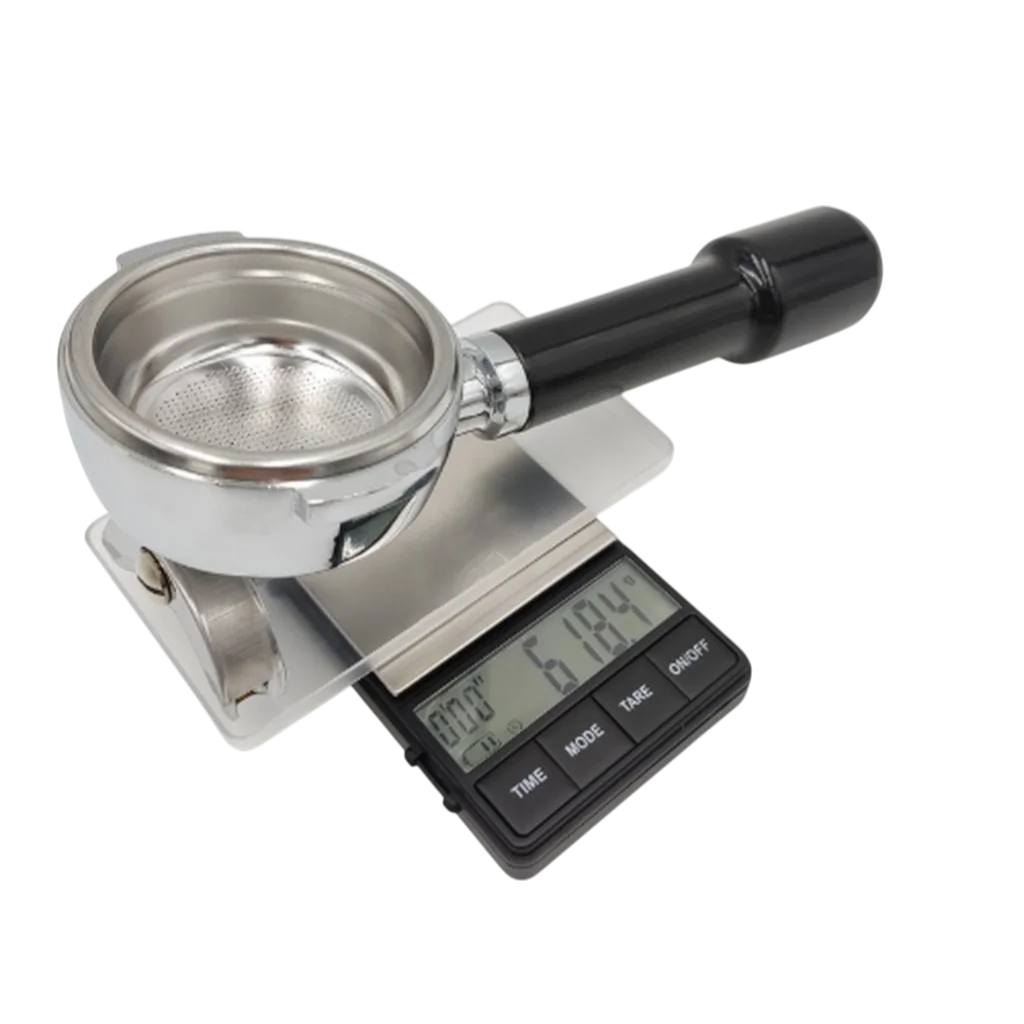
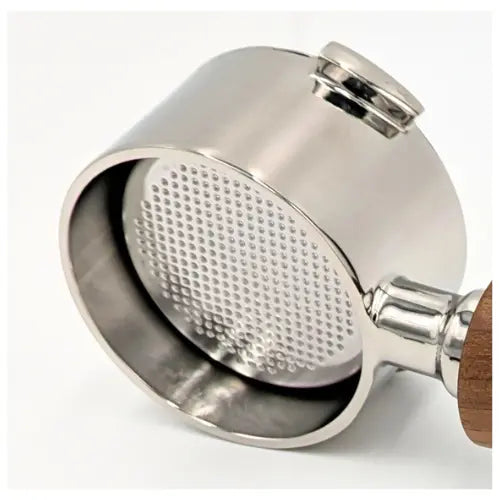
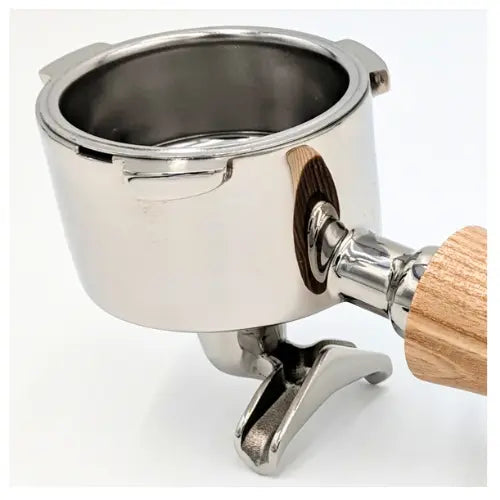

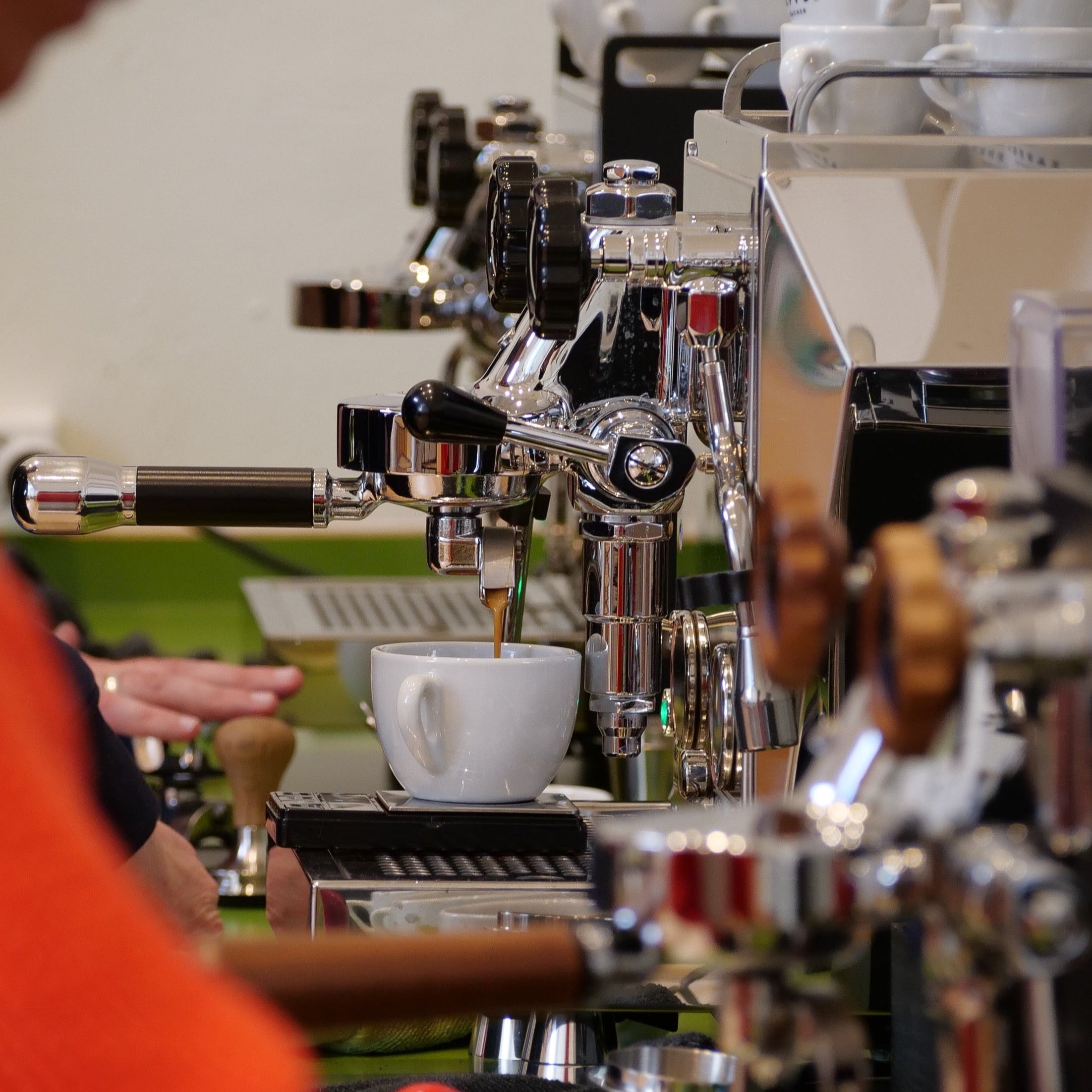
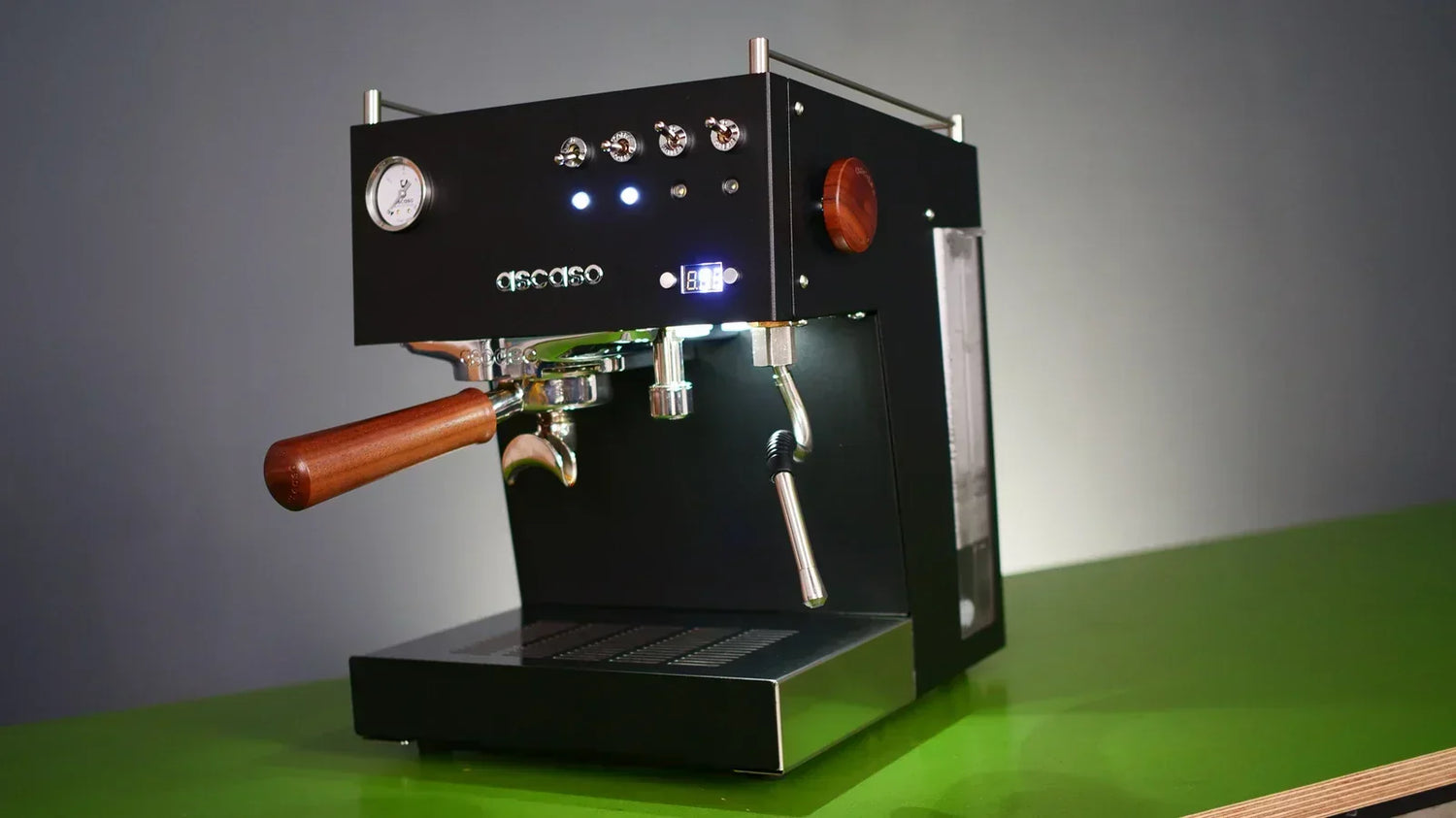

The Ascaso Steel Duo PID pleasantly surprised us in our initial test. This machine from the Spanish company features a dual thermoblock design. It embodies everything that makes a modern and high-quality thermoblock espresso machine. It's not only fast to heat up, as is typical of thermoblock machines. It's also temperature stable, and we were particularly impressed by just how stable it is in our test from early 2021. Thanks to its quick heat-up time, the machine is also very energy efficient and consumes up to three times less electricity than dual boiler or single boiler espresso machines.
However, we had one criticism of the old model: the machine's steaming performance left something to be desired. The original Ascaso Steel Duo PID with the steam thermoblock didn't deliver enough power to the pitcher. That's precisely what the manufacturer from Barcelona has now worked on. For this reason, we've dedicated another video to the Ascaso Steel Duo PID New.
Ascaso Steel Duo PID: Strengths and Weaknesses at a Glance
After the first measurement of our original test, our tester Michel Aeschbacher (Swiss Vice-Barista Champion) wrote in the internal team chat only one word: "Insane." Felix Hohlmann's response: "That's pretty awesome." That sums it up well, even though we do have some detailed issues with the machine.
Strengths:
- Temperature consistency from shot to shot and across multiple extractions
- Short heat-up time of approximately 5 minutes
- Low energy consumption compared to boiler machines
- High-quality portafilter with wooden handle included
- Control via display and volumetrics
- Side-mounted water tank
Weaknesses:
- Build quality, especially inside the machine
- Milk frothing power (significantly improved with the update, but still not at boiler level)
- Cup warmer is oversized
- Design of the cup support surface (cups slip and rattle during extraction)
- Accessories in the base version (tamper, baskets)
Boiler or Thermoblock?
The Ascaso Steel Duo PID clearly demonstrates what a thermoblock can offer compared to a classic boiler espresso machine (single boiler, dual boiler, or heat exchanger):
- Temperature is at least as consistent as the better dual boiler espresso machines we've tested.
- The machine reaches full operating temperature in about 3 minutes, while dual boilers need 20 minutes or more.
- Energy consumption is significantly lower (figures below), even when running the machine continuously.
- No water sits in the thermoblock for extended periods, so fresh water is heated for each espresso.
- Scaling tendency is lower than with a boiler.
For a boiler, the main advantage is stronger and more continuous milk frothing performance, as well as the robust construction proven in commercial use.
How the Dual Thermoblock Works
The name Ascaso Steel Duo PID comes from the two thermoblocks installed. One heats the brew water, and its temperature can be adjusted via PID control through the front display. The second is responsible for heating milk. In both cases, water flows through a spiral-wound stainless steel tube in an aluminum block. The brew water thermoblock sits directly above the portafilter and heats it well, a point where many other thermoblock machines fail: a cold portafilter otherwise cools the brew temperature during extraction. We measured portafilter temperatures of 89 to 92 degrees on the Ascaso even at idle.
Energy Consumption Comparison
We measured power consumption using a MyStrom adapter: after a 5-minute heat-up and five double espresso shots, it was 0.09 kWh. If we left the machine on for another two hours and then pulled one more double shot, the total consumption rose to 0.28 kWh.
For comparison, also measured after two hours: the most economical dual boilers in our test, the Xenia Espresso and Bezzera BZ10, came in at 0.48 kWh, with the Bezzera Magica S as the highest at 0.72 kWh. Since the Ascaso can also be switched off between use thanks to its quick heat-up time, its consumption could be reduced further in practice.
Buy the Ascaso Steel Duo PID
The following specialist retailers carry the Ascaso Steel Duo PID, and we recommend purchasing from these businesses. They all offer the option of adjusting the machine's offset.
- Germany: [Partner links] Stoll Espresso, Bohnendealer, Lücke Technik
- Austria: [Partner links] Bohnendealer, DieRöster
We search for specialist partners who we know provide good work and service. We are in close contact with these retailers. These are affiliate links. If you order through this link, it won't cost you any more, but we'll receive a small commission that we invest in new testing equipment. We are continuing to seek competent partners for you in the DACH region.
The Frothing Performance of the New Ascaso Steel Duo PID
The frothing performance of the Ascaso Steel Duo PID has been fundamentally redesigned. The manufacturer reports +25% power. And indeed, the machine has significantly more power when frothing. The steam pressure can now also be manually adjusted in the machine. The machine froths powerfully, bringing a 0.6-liter pitcher up to temperature in approximately 30 seconds. It can effectively circulate all the milk during the rolling phase.
A positive change is that milk foam is no longer started directly via the toggle switch on the machine like in the old model. Instead, the switch only activates the steam thermoblock. The frothing is only opened by turning the side wooden wheel. This eliminates another point we criticized. Steam starts by turning the wooden wheel directly and doesn't need to build up first. That was the case when the thermoblock was activated via the toggle switch.
With the new setup, we recommend first blowing out the steam wand well. Pressure and condensation water quickly accumulate in the wand and line, and these cause excessive pressure to blast into the milk pitcher when steam first starts, creating many large bubbles that are difficult to fold in.
The Ascaso Steel Duo PID heats milk at a comfortable pace. It takes approximately 30 to 35 seconds for the foam to reach temperature. During this time, even latte art beginners can go through the pouring and rolling phases without stress.

Left is the new, right is the old Ascaso Steel Duo PID. The new color isn't the update. White is still available. New is the wooden steam wheel.
Improvement Potential of the Ascaso Steel Duo PID
Manufacturer Ascaso has taken the feedback from us and many home baristas seriously with the Duo PID update. This speaks not only to Ascaso but gives hope that the machine will continue to be developed further.
Today, the Ascaso Steel Duo PID is already one of the five most interesting home espresso machines for us. If Ascaso addresses the following points, the espresso machine will rank even higher in our personal ranking:
- The cup warmer is still oversized and gets far too hot. I'd like to be able to simply turn it on and off.
- Due to the machine's slope, cups slip backward during extraction and rattle against each other.
- The accessories are a remnant from the past. The included double basket holds barely 15 grams, and the perforations stop far from the rim. However, this can easily be improved with a basket upgrade.

Build Quality and Dimensions
The Ascaso Steel Duo PID is 27 cm wide, 31.5 cm deep, and 36 cm tall. The water tank holds 2 liters, and the machine weighs 15 kg.
Build quality is particularly convincing with the portafilter and wooden handle, which is standard here whereas it's often an upgrade on other machines. The housing itself feels rather thin and tinny, for example when tapping the side panels or cup support. Compared to a stainless steel dual boiler in a similar price range (ECM, Rocket, etc.), the Ascaso falls short here. Inside, the cable routing looks somewhat chaotic, and we've received occasional reports of loosely fastened parts. The drip tray is essentially plastic with a metal trim.
- The included tamper works well as a paperweight. Using it is frustrating because the sides look identical but are different sizes. The ergonomics aren't particularly hand-friendly either.
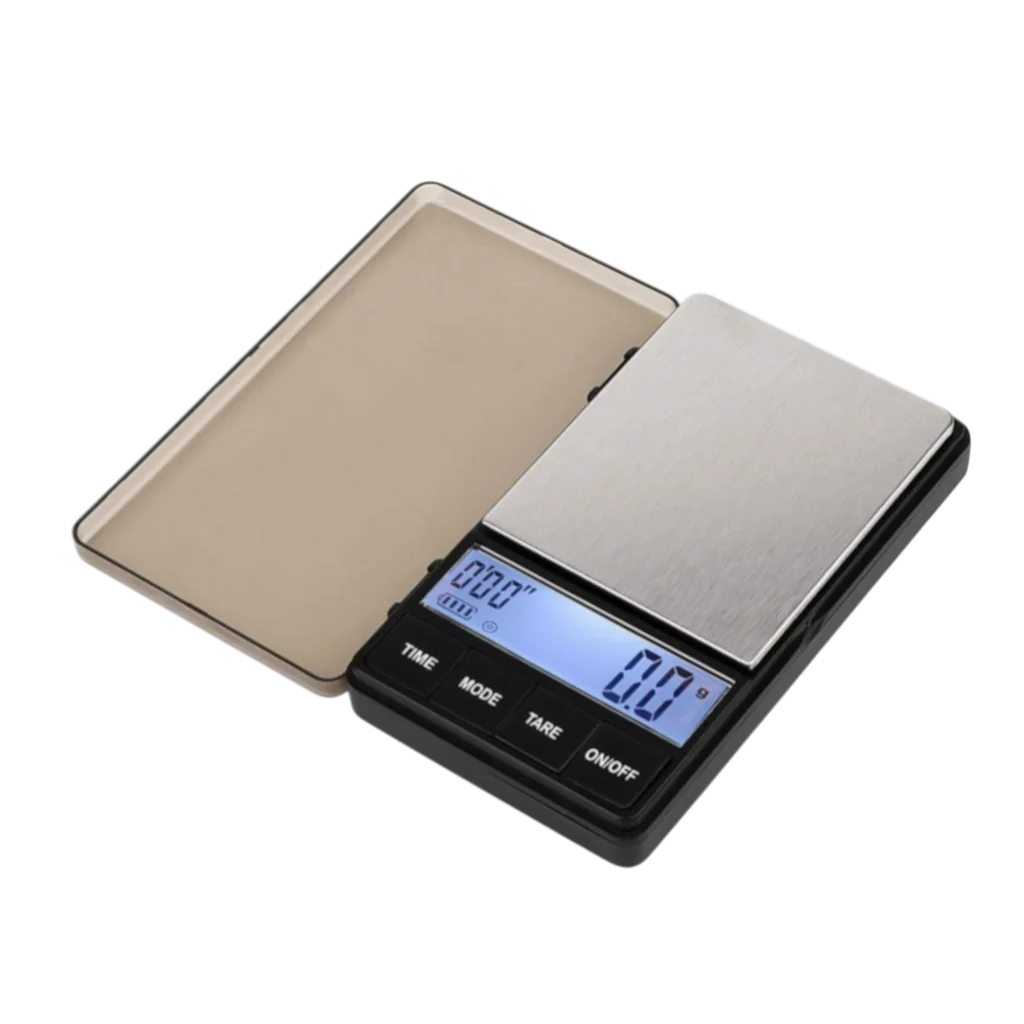
- The biggest issue is the volumetrics. The Ascaso Steel Duo PID can dispense a desired amount of brewing water. Initially, this is a major pro compared to almost all dual boilers and other espresso machines that must be started and stopped manually. It's important to note that we're criticizing a feature that other machines don't even have. However, on the Ascaso Steel Duo PID, the expansion valve is positioned behind the flow meter. This means that when a certain pressure range is exceeded, water is partially diverted rather than delivered to the coffee bed. If your espresso changes with finer grinding and uneven preparation, the water volume may also decrease. Your brew time will tend to remain the same. So it makes sense to look in the cup, or regularly use a scale to check whether the volume matches your desired brew ratio.
Notes on Espresso Extraction and Temperature
If your local specialist dealer properly adjusts the Ascaso Steel Duo PID, it reaches operating temperature in five minutes. This is a real strength of the machine. While many espresso machines require scheduling your day around them heating up for 25 to 30 minutes, the Ascaso can reach temperature quite spontaneously.
This makes the Ascaso Steel Duo PID well-suited to brewing excellent espresso shortly after switching on (see also recommendations for baskets and tamper).
However, all espresso machines we tested were delivered with incorrect offset settings. The brew temperature deviated between 2 and 4 degrees from the displayed brew temperature. We measured 3 machines with calibrated thermometers for this purpose.
The machine's offset must be adjusted by your local specialist dealer. You should pay attention to this when purchasing the machine. A professional Scace temperature measurement device is required. This measurement cannot be performed at home with a simple thermometer.
In this short video, we explain how the offset and steam settings can be adjusted.
Temperature Rise During Idle Time
A newer insight for us is that the Ascaso Steel Duo PID overheats above the target temperature after longer idle periods of +15 minutes. However, it can be brought back to the target temperature by flushing.

We set the brew temperature so it's slightly below target on the first shot and lands exactly in range on the second shot. By the third shot, the portafilter is so heated through that the temperature perfectly reaches 93 degrees.
These settings can be adjusted based on your needs. As guidance, consider what your preferred brew timing is. With the temperature set here, we've chosen a good compromise. The first shot is slightly below target, but all subsequent ones, even if the machine has been on longer, are exactly in the target range (don't forget to flush if the machine has been idle longer).


These two graphics show the overall very stable temperature consistency using the KM protocol with 1-minute intervals between shots. We measured a standard deviation of 0.75 here, which is a very good value.
Upgrades for the Ascaso Steel Duo PID
In Germany, Espressopool, as the importer of the Ascaso Steel Duo PID, offers an update service for the old Ascaso model. This can also be performed by local specialist dealers.
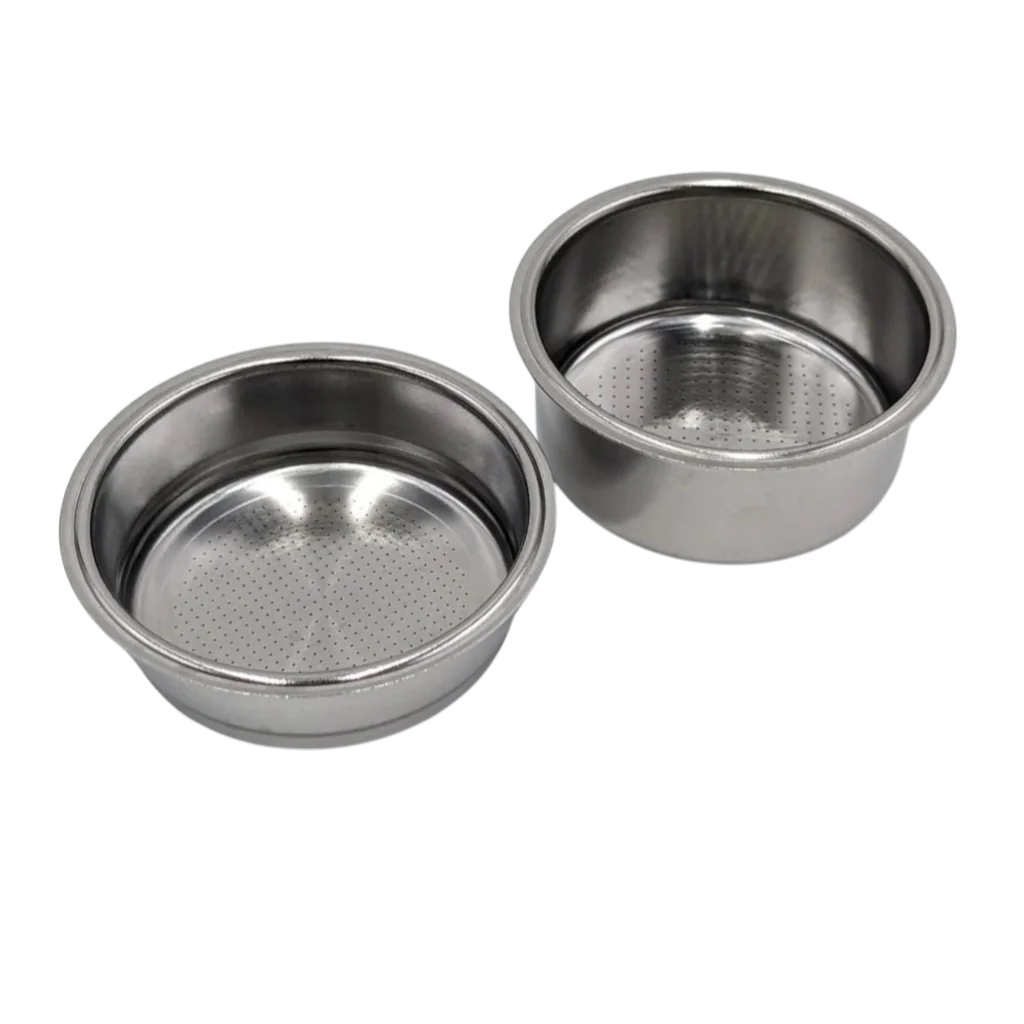
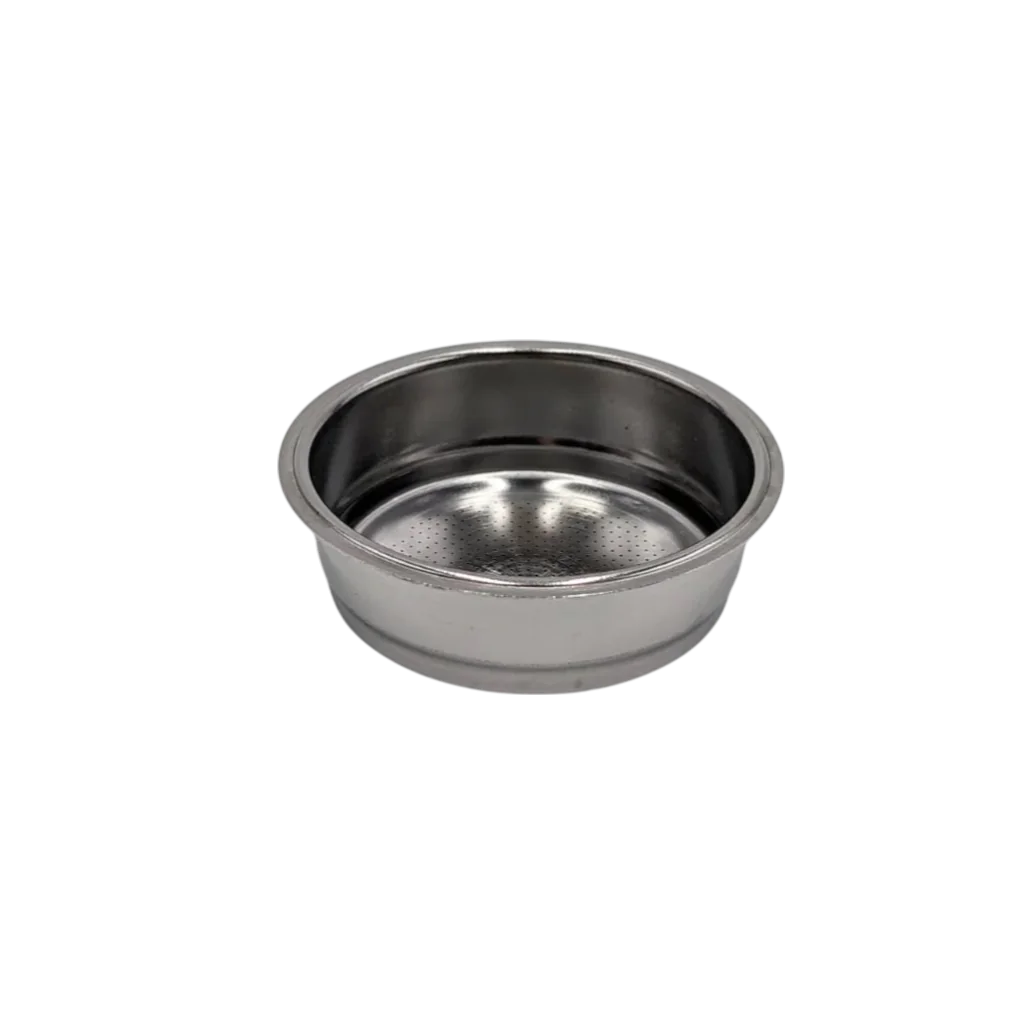
We recommend different baskets and a matching tamper for the machine. Your local specialist can advise you. We upgrade our Ascaso with an 18-gram IMS Competition basket (DE, CH).
The portafilter accommodates 58 mm baskets. A matching tamper should be between 58 and 58.4 mm.
Want to try the machine before buying? It's available at our academies in Basel and Dinslaken upon request.
Also check out our own tamper, which we manufacture locally on the Lower Rhine. Links to the KM Tamper for Germany/EU and Switzerland are here.
Ascaso Steel Duo PID Plus in Test
Ascaso has now introduced the Steel Duo PID Plus. What changes compared to the base version?
The "Plus" is an upgrade and brings some new features compared to the Ascaso Steel Duo PID base version. The model costs about 300 dollars more and features mainly external changes.
Notable is the wooden steam lever as well as the modified drip tray. Additionally, a range of better baskets and a different shower screen are included. A bottomless portafilter is now included in the package. The only internal update is the removal of the cup warmer, which many home baristas had removed from the base version anyway because it was completely unnecessary. The machine radiates so much heat upward that an additional cup warmer isn't needed.
Included Accessories:
- Heavy 58mm metal tamper weighing 750 grams. 1mm distance to basket (average).
- Laser-marked and well-finished baskets: 7g, 14g, 18g & 21g. The baskets tend to hold slightly more.
- Blind basket and brush
- Single-hole and three-hole spray heads
- Bottomless portafilter
- Uniform and well-finished shower screen
- Modified drip tray that reduces cup movement but still generates noise during extraction.
The cup warmer was also removed. Many home baristas had disconnected this on previous models. The waste heat from the machine is completely sufficient to warm the cups.
Assessment of the Plus Version Upgrades
The upgrades to the Ascaso Steel Duo PID Plus are all worthwhile. The new accessories are high-quality and make the machine better. The improved drip tray represents an upgrade that results in less cup movement. However, vibration is still visible and the grate rattles in the now static drip tray. It remains questionable why Ascaso doesn't separate the drip grate from the metal machine with rubber dampers to absorb vibration.
Removing the cup warmer makes sense. However, the much bigger criticism of the support surface is its slope. Cups migrate backward during extraction and clatter against each other. Really frustrating because it's unnecessary. A design choice creates unwanted noise.
The new steam lever has a good grip and looks nice. Working with it definitely feels more satisfying than with the steam wheel. However, this doesn't improve the machine's performance.
The significantly better baskets are pleasing. They have cleanly laser-cut holes and support more consistent extraction. The tamper could use better flush-fitting with the rim. However, the new tamper is definitely better than the dumbbell-style tamper supplied in the base version.
Overall, the extra 300 CHF/euros for the Plus version is certainly money well spent. However, apart from the group lever, the main improvements can be purchased individually for significantly less money.
The overall performance remains unchanged. Both our renewed energy consumption measurement and temperature measurement confirm the Ascaso Steel Duo PID Plus as an excellent espresso machine.
However, the most pressing upgrade request remains unfulfilled: the position of the flow meter and the resulting inconsistent output volume.


Conclusion
After the update, the Ascaso Steel Duo PID is one of the most exciting thermoblock espresso machines for home use: quick to heat, very consistent in temperature, and significantly more economical than comparable boiler machines. In terms of build quality and milk frothing, there's still room for improvement, and anyone wanting to brew to the milliliter should use a scale due to the volumetrics weakness. With the Plus version, Ascaso improves on accessories, but the machine's basic character remains the same. We are currently testing the latest model and will update this article once testing is complete.