














8 simple sensory exercises at home: Your path to the perfect coffee experience
 Nadja Schwarz
A perfect espresso or a filter coffee extracted to the point is no accident. It is the result of knowledge, experience, and above all a trained sensory perception. Because how can you optimize your grinder, machine, or brew yourself if you don't understand the nuances of your coffee? We'll show you how you can easily train your sensory skills at home. Here you'll find the video for the article.
Why sensory perception is so important
Sensory perception is the foundation for recognizing the fine differences in coffee. Only when you can distinguish acidity from bitterness or identify a "scratchy" body are you able to make targeted adjustments. A well-stocked "sensory library" in your mind helps you recognize taste differences and objectively assess the quality of your coffee. Because how can you identify a taste if you don't even know what a strawberry tastes like? If your library is still a bit empty or dusty, here are a few tips for practicing at home.
1. Acidity: The tangy note in coffee
Acidity is an essential component of coffee, especially specialty coffee, and can range from acetic acid to malic acid to citric acid. Acidity divides opinions and generates a lot of discussion. That's why Philipp wrote a detailed blog post about it, and Ben and Michel made a video about too much acidity in espresso. But all this knowledge doesn't help much if acidity as a basic taste cannot be defined. So how do you simply train your perception of it?
Lemon water challenge
Squeeze half a lemon into a glass of water. Take a small sip of the pure lemon extract. Don't focus on the lemon taste, but rather on where on your tongue you perceive the acidity. Is it at the front, on the sides, at the back, or all over your tongue? Note your impressions. Dilute the lemon water gradually and observe how intensity and perception change.

And then: acidity in coffee
Now try to define the acidity in different coffees. You can pull different extractions with the same coffee on your espresso machine or make multiple brews with your manual brewer. You can also simply pour a cupping with different coffees. Here you can see how to do it at home. Try to focus only on the acidity and not let yourself be distracted by other impressions.
2. Bitterness: The often misunderstood element
Bitterness is complex because we have over 25 bitter receptors, which strongly influences individual perception. In the interview with Sara Marquart, Benjamin discusses the different qualities of bitterness and their scientific foundations. Coffee is naturally bitter – but not the green coffee, only through the breakdown of chlorogenic acids during roasting. How this bitterness can be regulated during espresso extraction, Michel and Ben discussed in this video.
Lemon peel test
The lemon is a multi-talent! While the juice is sour, the white of the peel – the albedo – is very bitter. Cut off a small piece and chew on it. You'll notice that bitterness often sets in with a delay and is usually perceived in the back of the palate.

Bitter alternatives
If you don't want to chew on lemon peel, try bitter lettuces like chicory or endive, artichokes, or beverages like beer, gin, or tonic. A slice of lemon in tonic is already the ultimate to discover acidity and bitterness at the same time.

3. Body: The mouthfeel of your coffee
The body describes the intensity and texture that the coffee leaves in your mouth. Philipp wrote an entire article about texture and body. When a coffee has a syrupy consistency and lingers longer on the tongue, we have more time to analyze it. Flavor notes appear more intense.
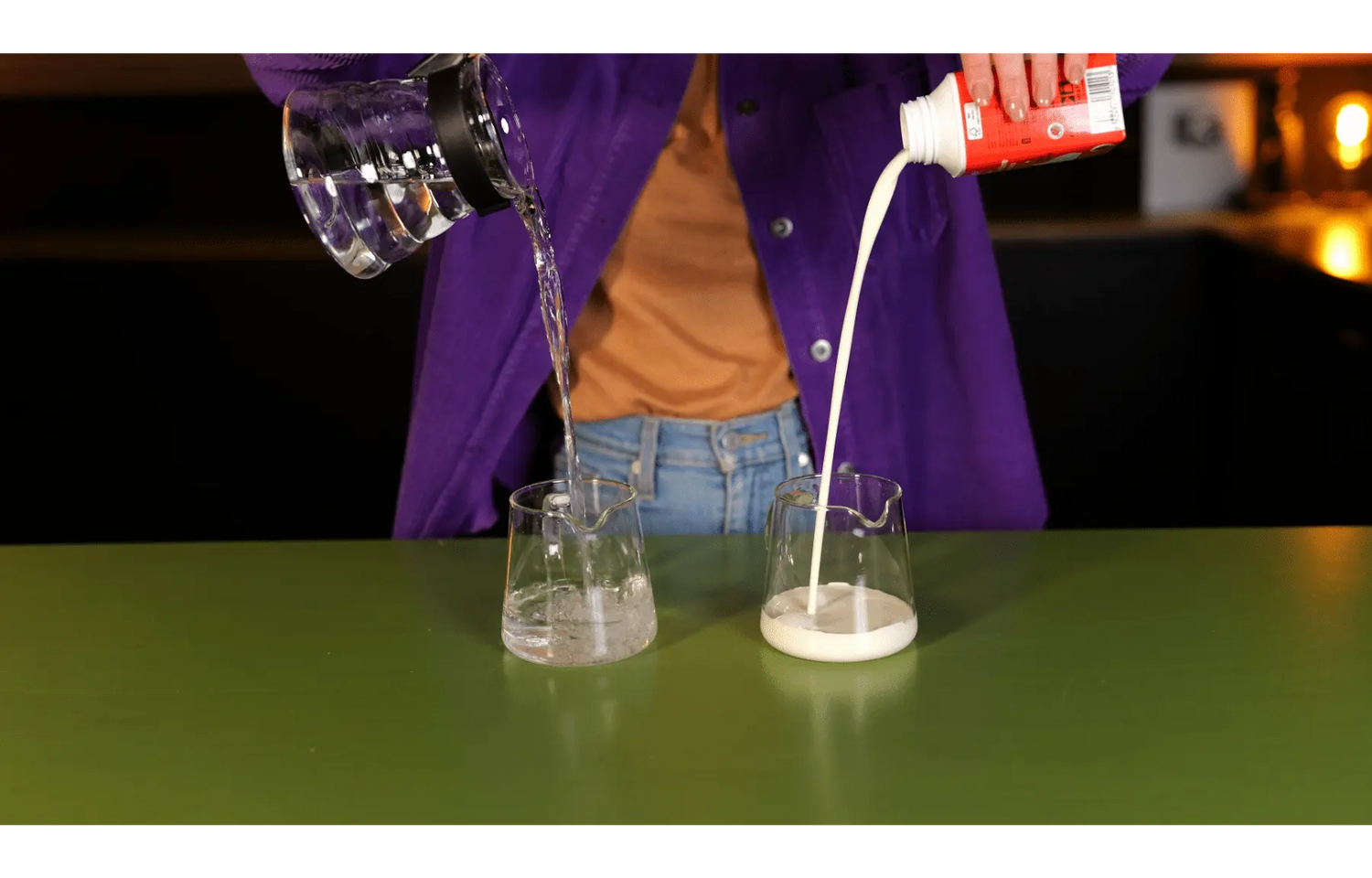
Water vs. cream exercise
Take a glass of water and a glass with a thick liquid such as cream, syrup, or oil. Drink alternately from each. Water feels light (often described as "watery"), while the thick variant feels more intense on your tongue. Also pay attention to the texture: soft, grainy, rough, or scratchy? A coffee can have little intensity but still be pleasantly soft.
4. Sensory perception through the nose
Our nose plays a central role in sensory experience. If your "sensory library" is dusty, it's time to refresh it. Only then can you recognize fine differences in coffee – such as notes of nuts, fruit, or chocolate.
Smell challenge
Consciously sniff things around you: flowers, oranges, yogurt, herbs, spices. The more smells you consciously store, the easier it will be for you to recognize them in your coffee. Close your eyes to fully concentrate on the smell.

5. Taste (Flavor): The full experience
"Flavor" is the overall impression of smell and basic tastes, formed through a "second smelling" in the palate. If you hold your nose while drinking, you only perceive the basic tastes. Open it again and you experience the full taste experience.

Blind tasting with an ally
Ask someone to help you with this exercise. Close your eyes and nose and taste something edible. At first you will only perceive the basic tastes. Then open your nose – and experience how the taste experience changes.
6. Aftertaste: The lasting memory
The aftertaste describes how long and how pleasantly a taste lingers in the palate.
Mindfulness while drinking
Pay conscious attention to how long you perceive your coffee in your mouth. Is the aftertaste long and pleasant or short and rough? A long, soft aftertaste is usually rated more positively.
7. Sweetness: The sweet spot in coffee
Since ancient times we have been guided by sweetness in food. Because whether a fruit was ripe was determined by its degree of sweetness. When we find sweetness in coffee, we rate it higher – even though the sugar content is barely measurable. The perception of sweetness comes from balance and roasting aromas.
Indulging is allowed!
Train your sweetness perception by consciously tasting different sweet foods: honey, vanilla, caramel, chocolate, or pastries. Each has a different kind of sweetness. Recognizing these differences helps you perceive fine nuances in coffee.
8. Sweetness and acidity: the perfect duo
The perfect balance in the cup is created through the interplay of acidity and sweetness. While acidity brings freshness, sweetness provides harmony and roundness. "Sweetness supports Acidity" – sweetness supports acidity and makes it more pleasant.
The self-test
Squeeze half a lemon into a glass of water. After you've analyzed the acidity, add half a tablespoon of sugar. You'll notice: the acidity seems milder even though it stays the same. Sweetness balances out acidity – if it's missing, the drink tastes flat and sticky.
With these simple practical tips, you can sharpen your sensory perception at home and deepen your understanding of coffee. And if you'd like to exchange ideas with like-minded people, visit our Sensory 1 course.
Have fun practicing and discovering!