















Chai Latte: The Popular Spiced Tea Beverage
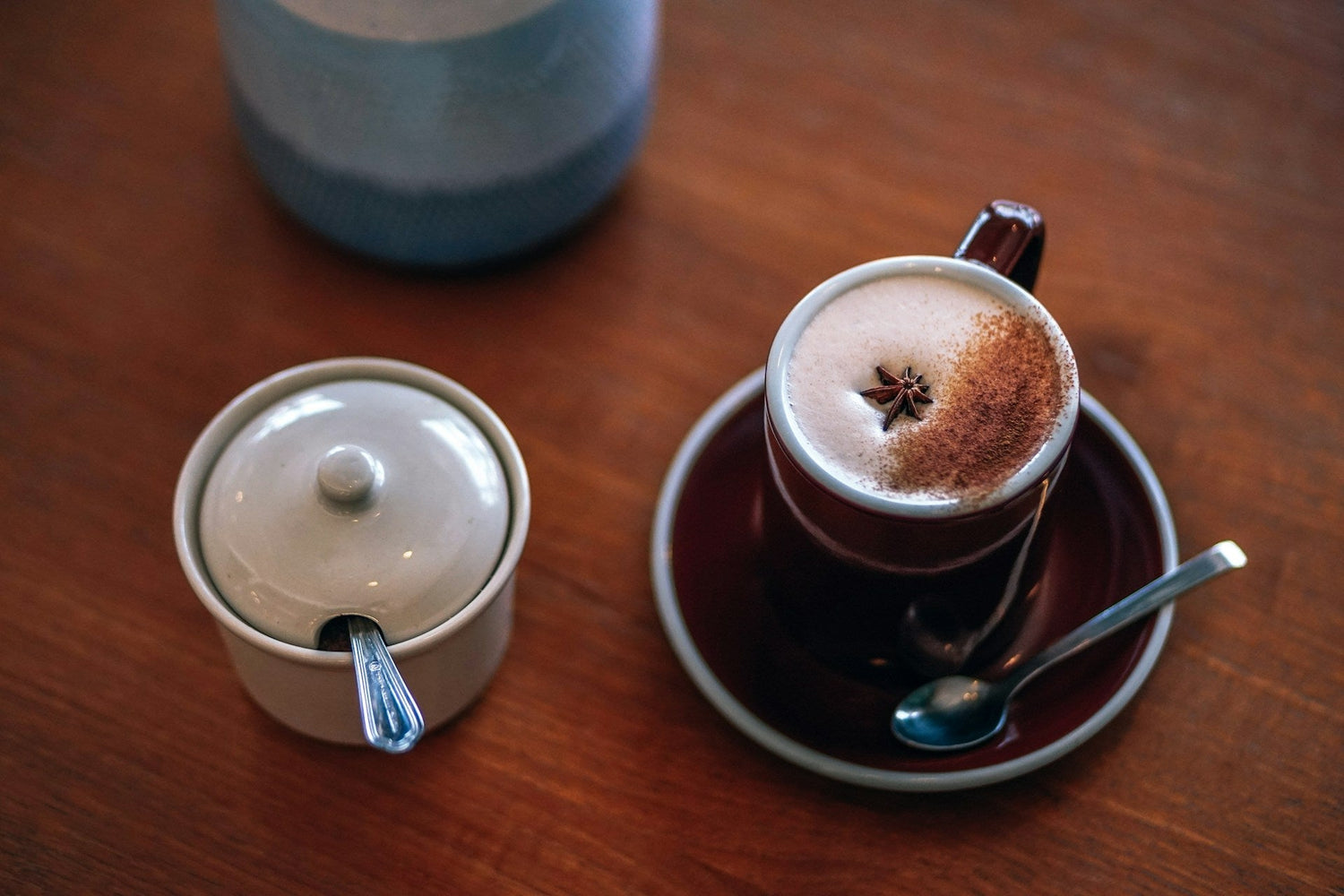
Anyone who has spent time in a modern coffee shop over the past few years and taken the time to study the café menu will surely have noticed the beverage "Chai Latte." This trendy drink, which Hollywood stars swear by, is now an integral part of coffee shop culture, especially on dreary autumn or cold winter days. Where does this aromatic drink come from, and what's all the hype about? How do I prepare it at home, and is it actually good for my health to try it? Let's explore the Chai Latte phenomenon!
What Exactly is Chai Latte?
The word "Chai" is used in many parts of the world for tea beverages. If you order a "Chai" in Russia, Turkey, or Asian countries, you'll be served black tea. The Dutch brought tea leaves from their colonies back to Europe and introduced the term "tea" there. In the Indian language region, Chai is more specifically called "Masala Chai." Masala refers to a spice blend that is mixed with black tea, similar to spice blends used for cooking and seasoning chili.
Masala Chai is a national drink in India. You can buy it on every street corner, and most families have a secret family recipe for their special Masala Chai. Typically, black tea is mixed with cardamom, cinnamon, fennel, cloves, or anise. Unlike in our culture, the tea is brewed in a pot with the spices and then refined with honey and milk.
Is Chai with Spices Healthy?
We've already discussed whether coffee is healthy or unhealthy in a video with Professor Yeretzian. But the same question arises for black tea and Masala Chai: "Does drinking this beverage have health benefits?"
This depends on which spices your Chai contains and how you prepare it. However, many of the spices mentioned above have a clearly positive effect on our bodies:
- Black Tea: The caffeine in black tea invigorates us. It makes us mentally sharper and physically more capable.
- Cardamom: Has a calming effect on digestion and can help with colds.
- Cinnamon: Stimulates blood circulation and lifts your mood!
- Ginger: Considered a superfood. It strengthens our immune system, has antibacterial properties, and stimulates our appetite.
- Anise and Fennel: Calm the stomach and can have antispasmodic effects.
- Cloves: Can have anti-inflammatory properties and are a source of antioxidants.
So there are certainly good reasons to try a Chai with spices. However, the health effect varies depending on the preparation method. The fresher you prepare the beverage, the more health-promoting ingredients it contains. But more on that later.
Where Does the Hype Come From?
Even though we know that Chai Latte is good for our mood and health, the question remains: why has this drink experienced such a hype?
In the 90s, the coffee chain giant Starbucks added the beverage to its menu. Additionally, some TV stars and celebrities promoted the drink and raved about it publicly. Since general interest in Far Eastern culture, philosophy, and spirituality has seemingly exploded in recent decades, Chai Latte hits exactly this growing target audience. Those who enjoy yoga, Ayurvedic nutrition, and meditation will also be drawn to Chai Latte. Especially during the cold months and at Christmas time, many people in coffee shops reach for this trendy beverage.
Preparation
When preparing a Chai Latte, there are three different ways. If you make it at home yourself, you can either create your own spice blend, use a ready-made Chai tea mix, or work with instant powder or syrup.
Making Chai Tea Yourself
This preparation method is by far the most time-consuming, and you should take some time to create your own Chai Latte. You'll need:
- 1 tbsp black tea (Assam, Darjeeling, or Earl Grey, depending on your taste)
- 2 star anise
- 2 cloves
- 1-2 cinnamon sticks
- 1 tsp cardamom
- about 1 cm fresh ginger
- 2 tbsp honey, alternatively brown sugar, or another sweetener
- 250 ml water
- 250 ml whole milk or a milk alternative
First, briefly roast the spices in a pan. This activates the essential oils in the spices and brings out even more aroma from them. Pour hot water over them in the pan and let the spice mixture steep for a few minutes. Then add the honey and your black tea. You should measure the time now and let the tea steep for about 4 more minutes. The water should be around 90°C at this point, so no longer at a rolling boil. Then pour the mixture through a strainer to end the tea's steeping time. Heat the milk with an espresso steam wand or on the stove and froth it. Finally, fill a large cup or glass halfway with your tea and pour the frothed milk over it.
Ready-Made Chai Tea Blends
If you don't have a well-stocked spice cabinet and don't want to buy all the spices, you can also use ready-made Chai tea blends. In almost every supermarket and especially online, there's a wide selection of different ready-made Chai tea blends. There are both loose teas and ready-made tea bags, organic and non-organic. You then have the choice between "Chai Black Tea," "Choco Chai," "Sweet Chai," or even "Pumpkin Chai" with dried pumpkin. The selection is really large, and it's worth looking at the description or the back of the package during your search. Here you can see the exact composition of the ready-made blend. Although the spices aren't freshly roasted before preparation, these ready-made blends are certainly a good option for getting started.
The preparation is then quite simple. Pour the ready-made tea blend with hot, but no longer boiling water. Let it steep for a few minutes according to package instructions. Add the desired amount of frothed milk to the tea, and your comfort drink is ready!
Instant Powder
For those who want everything simple and uncomplicated, the market offers plenty of instant alternatives to freshly brewed tea. There are instant powders mixed with milk powder that only need to be poured over with hot water. However, the texture and mouthfeel of these drinks are far from as creamy and silky as freshly frothed milk. That's why there are also instant powders without milk powder that you pour hot water over, but then top with freshly frothed milk.
Without a doubt, instant powders are an incredible convenience, but they also influence our drinking habits. Anyone who wants to take time and care for their Chai Latte will certainly also plan time and care for preparing their tea. It's no coincidence that there are centuries-old traditions of tea ceremonies in Asian countries that give the soothing beverage a fixed place in daily life. This peaceful break and time for enjoyment will certainly be diminished by the idea of an instant powder that promises Chai tea in 30 seconds.
The positive health aspects of Masala Chai described above are also not as pronounced in instant powders. The fresh spices were previously processed into powder through elaborate processes and lose much of their essential oils and aromatic compounds. Biting into a fresh apple is certainly different from chewing apple-flavored gum. In low-quality instant teas, artificial flavorings are even added.
For a first encounter with Chai Latte, we therefore recommend the first two options or a visit to your favorite café.
Chai Latte in Coffee Shops
In most coffee shops and also in our barista cafés, you can order a Chai Latte. The peace and care that you can take at home for preparing Chai Latte is logically not something a barista can take in a café. After all, it would be rather odd if you ordered a Chai Latte and only received your drink half an hour later because the barista first had to weigh, roast, pour, strain, and mix the spices.
In many coffee shops, the barista therefore resorts to a syrup solution. These syrups, either self-made or offered by companies, greatly simplify the process in the café and still offer an aromatic taste experience.
The barista only needs to add a few pumps of syrup to a glass and froth the milk with the steam wand, and you as a guest already have an aromatic drink with a nice mouthfeel without having to wait long.
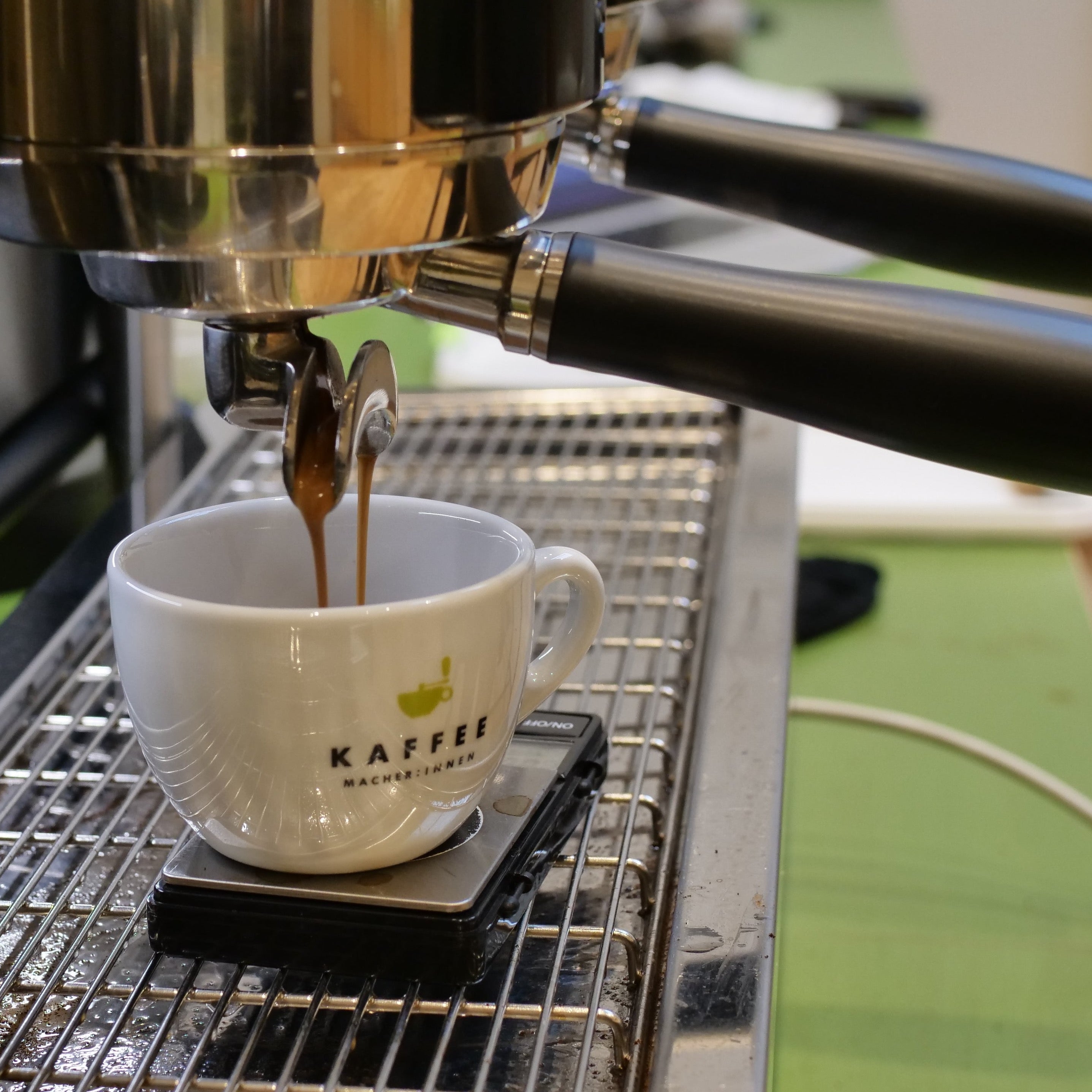
Another advantage is that the easy-to-use syrup invites experimentation. The syrup also dissolves in cold milk. Why not try an iced Chai Latte? A combination with a well-pulled espresso is also possible. For this so-called Dirty Chai Latte, some pumps of syrup are added to a single or double espresso and poured over with frothed milk. Certainly worth a try.
Even though this coffee shop solution looks different from a multi-hour Japanese tea ceremony, this practice has proven itself in many cafés and is a modern adaptation of the Indian national drink for a growing Chai tea fan community.