








Week after week, we receive offers. Manufacturers and retailers write to us: Test our machine, we'll pay you 10,000 euros, you get the device, we'll include you in our campaign. There were offers of all kinds – a car hasn't been included so far, but pretty much everything else.
Our answer is always the same: No.
We buy every machine ourselves
This is not a marketing claim. We buy our test devices, often at full price, sometimes at B2B prices, like a retailer pays. But we pay. We insist on an invoice – and sometimes we have to ask three times before we finally get it. Some manufacturers seem well-intentioned, but that's exactly what we don't want.
Anyone who seriously questions this is invited to hire an independent trustee to check our test machines and the associated invoices. We are completely open to this.
Why we order directly from manufacturers
Previously, we bought machines anonymously from retailers. We kept getting devices with outdated firmware, old inventory that had been sitting in storage for a while. Not the best starting point for a fair test.
Today, we order directly from the manufacturer whenever possible. This ensures we test the current model with the latest software. At the same time, we have a direct line if we have questions or notice any irregularities.
Do we get particularly well-calibrated devices? No. The machines still arrive with offset. Sometimes we'd even wish someone had taken another look at them.
What happens when we find a defect
If we discover a defect during a test, we contact the manufacturer. In these cases, we order a second machine – we don't buy this one, it's made available to us and goes back afterwards. We then check whether the defect is confirmed or if it was an isolated case.
With modern machines with OTA updates, it also happens that the manufacturer fixes the defect within a few days via software update. We take this into account in the evaluation because it shows a quality of the machine. It can be updated. A static machine cannot.
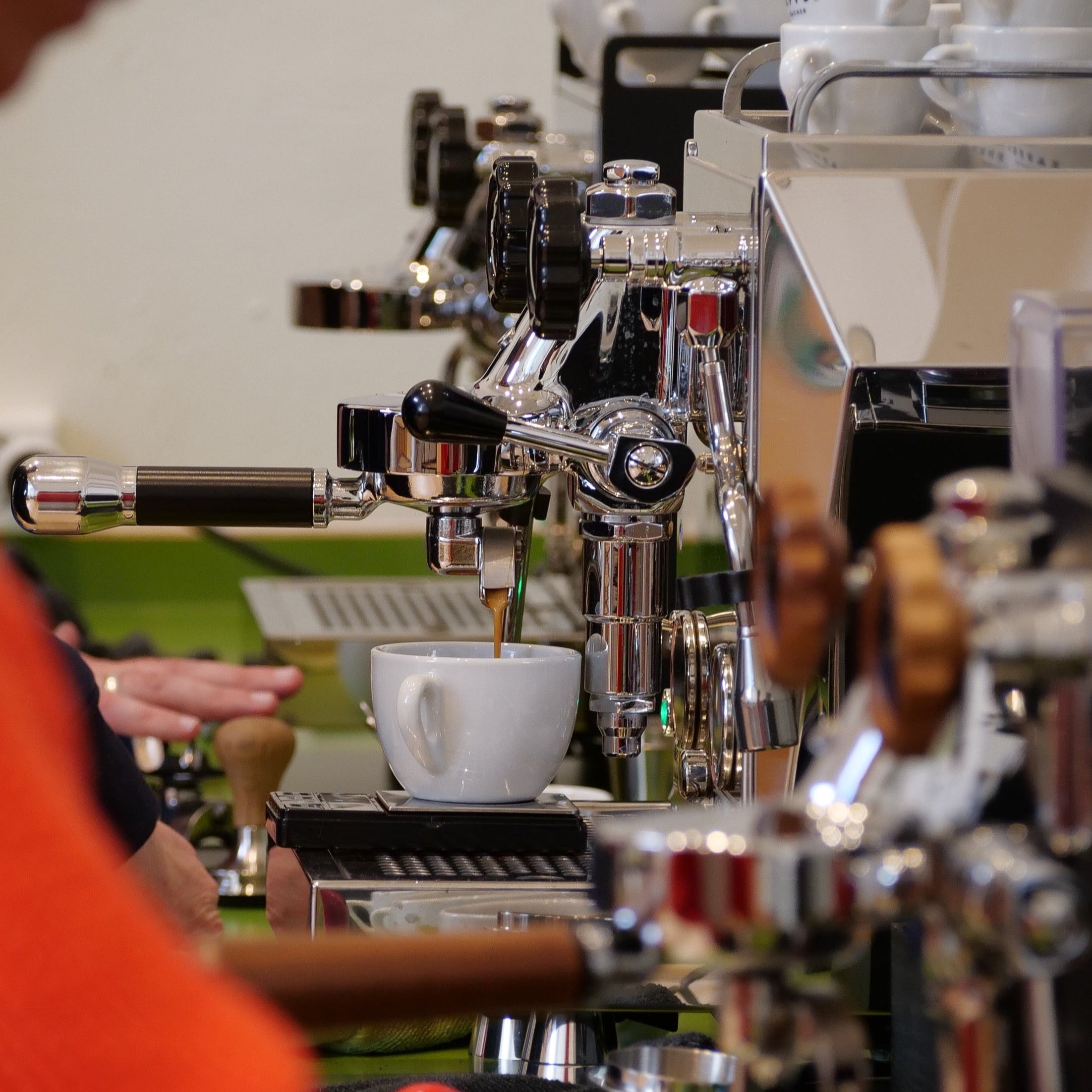
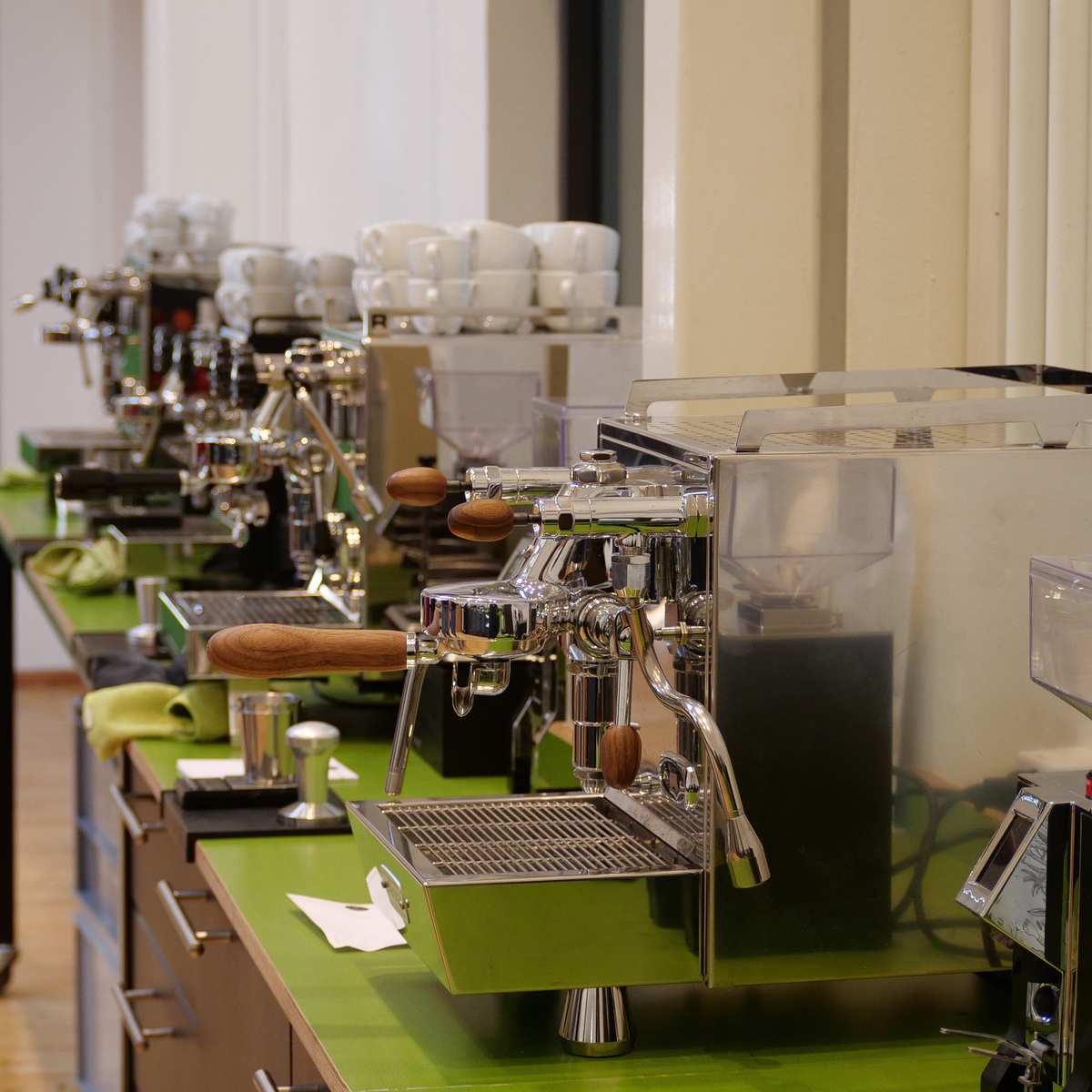
After that, we publish the test. But that's not the end of it. Many of the machines meet us again later in our homebarista courses. This way, we can see over time whether our test results match reality. We will also redo some tests – not because the tests back then were poor, but because our test protocol has become stricter and some manufacturers have changed in their quality implementation.
How we finance ourselves – without selling the tests
Our business model clearly separates what we test from what we sell. We test espresso machines and espresso grinders. We sell coffee and accessories. We deliberately made this separation. We don't sell machines and grinders because we test them.
This wasn't always the case. We had a store in Basel where we also sold machines. We added the machines we had tested well to the shop – not the other way around. Still, we realized that the role of neutral referee is incompatible with selling. So we stopped doing it.
For the same reason, we no longer do consulting for individual machines. We can't help a manufacturer in developing and then evaluate the same device. That doesn't work.
In our videos, there are no paid collaborations with coffee companies. No sponsorship format for machine brands. We looked into it, and it doesn't fit with what we want to do. We're open to sponsorships outside the coffee world – sportswear, skincare products, the hairdresser from Basel. But nothing that affects our independence with coffee equipment.
Our test protocol has a version number
We follow a documented test protocol that we explained in detail in a separate video. Recently, this protocol has been given a version number, which is linked in every test report. This way you can understand which version a machine was evaluated with.
Still, we are shaped by prior experience and preferences. We've known some manufacturers for years, we've visited their facilities, we've eaten together. That's reality. Precisely for this reason, we measure ever more carefully and look for objectifiable data. Our voice alone should not be enough – the numbers must carry the evaluation.
Don't buy blindly on our recommendation
We provide plenty: temperature stability, energy measurement, noise level, extraction data. We want you to take this data to a specialty store and make your own decision. But form your own picture. Come to our courses, go to a trade show, try out machines at the specialty retailer. Gather your own experience and take our data as one basis among several.
And if you'd like us to test a machine: write it in the comments. The more often we hear a request, the faster that device lands in our test calendar. The list is long, and a test takes time. But we listen.
If you want to support our work: buy our coffee or our accessories. The cleaning powder, for example. That's how we finance the tests – and stay independent.