








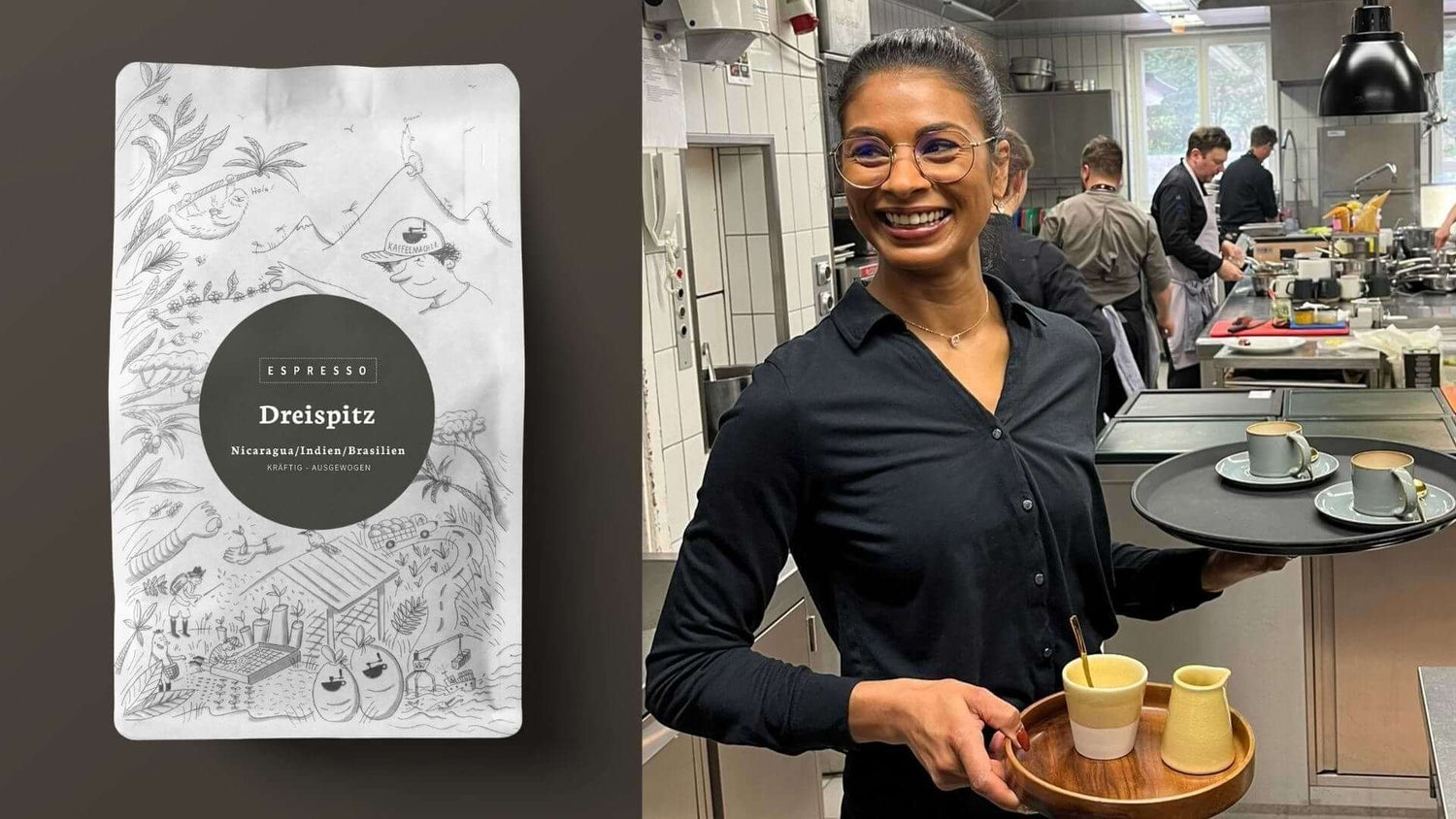
Specialty coffee in Michelin-starred gastronomy: Acclaimed chef Tanja Grandits brews our Espresso

Specialty coffee in fine dining restaurants is unfortunately still far too rare. Yet a gourmet temple would be exactly the place where one might expect delicious coffee. Exceptions are rare, which is why we are all the more delighted about our new project with Restaurant Stucki in Basel.
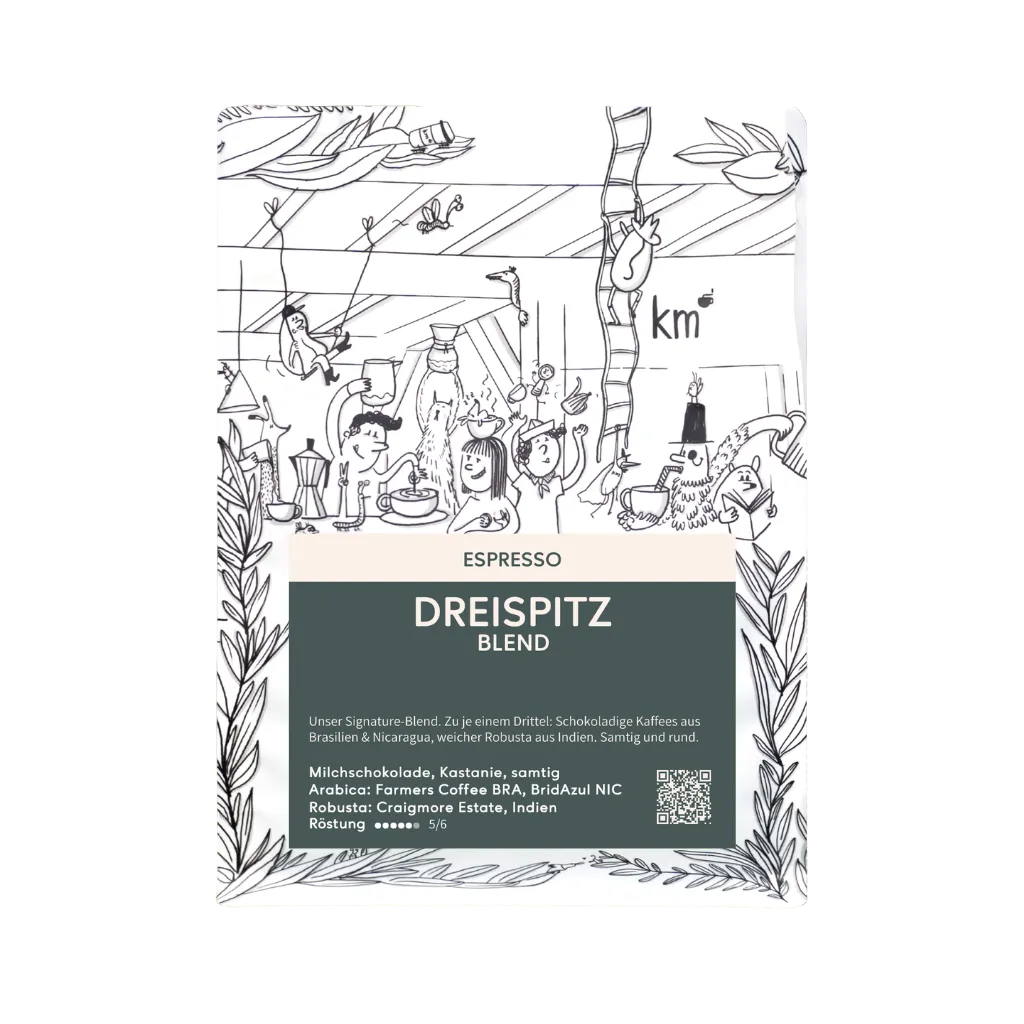
Since March 2022, Tanja Grandits and her team have been serving our Dreispitz Espresso. This partnership makes us very happy, because specialty coffee is still underrepresented in top-tier gastronomy.
Our Espresso at Restaurant Stucki, Basel
Tanja Grandits has earned herself two Michelin stars and has been running Restaurant Stucki on Bruderholz in Basel since 2008. In 2014 and 2020 she was named "Chef of the Year" and published her sixth book in 2018. SRF filmed a lovely and entertaining portrait in December 2021 that looks behind the scenes at Stucki.

Restaurant Stucki has been one of Switzerland's gourmet temples for years and far beyond. We often thought about how wonderful it would be if our two philosophies could meet - Tanja Grandits, who places aromas and balance at the center of her work, and us, who seek exactly that in coffee.
In early 2022, a team of three led by Tanja Grandits then visited us at the roastery. We drank extreme filter coffees, some milder varieties, and everything from classic espresso to fruity bombs was included. We found our match with the Dreispitz Espresso - named after our first roastery location at Dreispitz Basel.
What's in the Dreispitz Espresso?
The Dreispitz is a blend and is meant to bridge different flavor worlds. It's no coincidence that we often talk about a "bridge coffee with character".

The coffee blend consists of three equal parts of coffee from Brazil, India, and Nicaragua. And there's a reason for this: each coffee contributes a different component to the Dreispitz that it wouldn't have on its own.
The Dreispitz Espresso is full-bodied and chocolatey. It is carried by a creamy texture and structured by a fine acidity. This runs pleasantly through to the aftertaste and pairs there with robust robusta notes.
Where do the individual coffees come from?
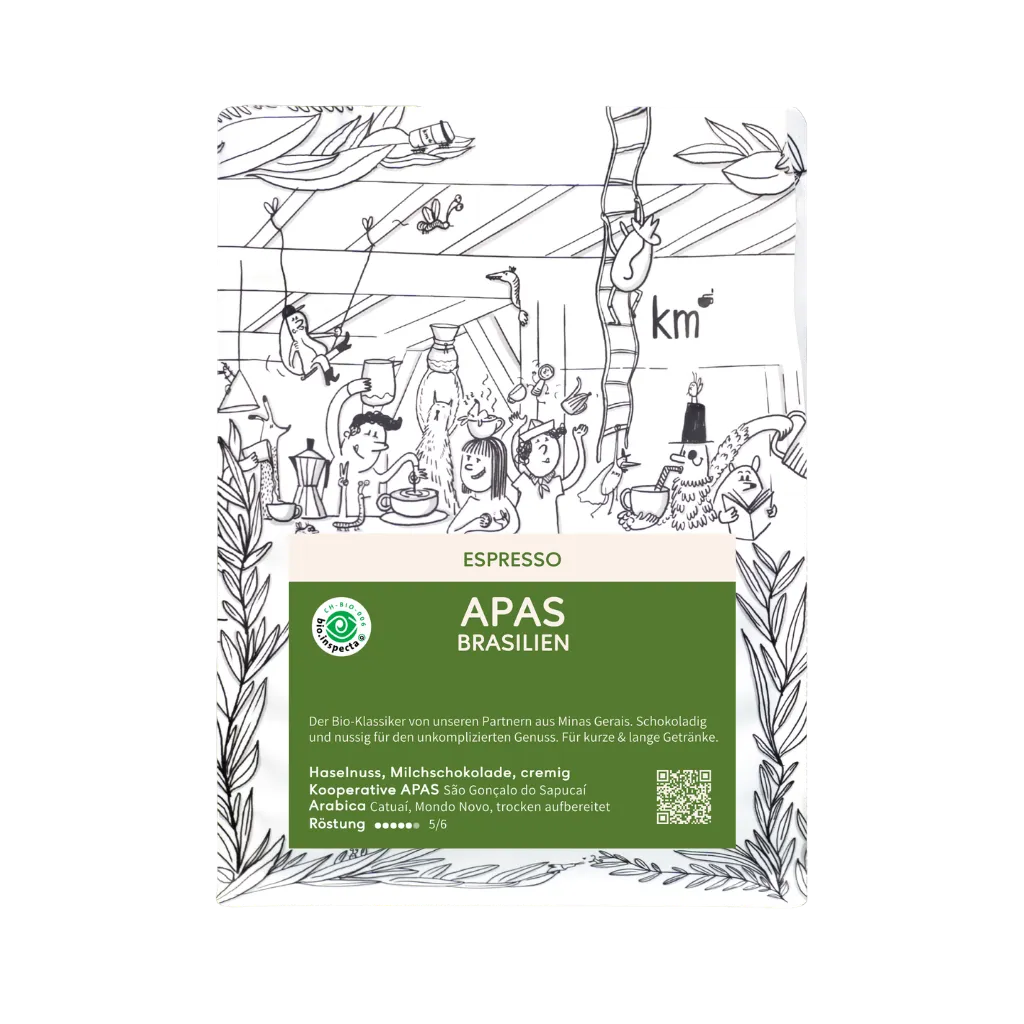
Brazil: APAS Cooperative
A dry-processed coffee from local varieties gives the blend its foundation. The coffee tastes nutty, like milk chocolate, and is low in acidity.
Nicaragua: Finca Santa Rita, Kaffeemacher:innen Farm
A washed coffee from our own and neighboring farms in the Dipilto region, in northern Nicaragua. The coffee is heavy, dark and chocolatey, with a fresh, citric acidity.
India: Kanana Specialities
The semi-washed Robusta (honey processed) from Kanana Specialities is extremely silky, heavy, and has a long, powerful aftertaste of cedarwood.
No Half Measures
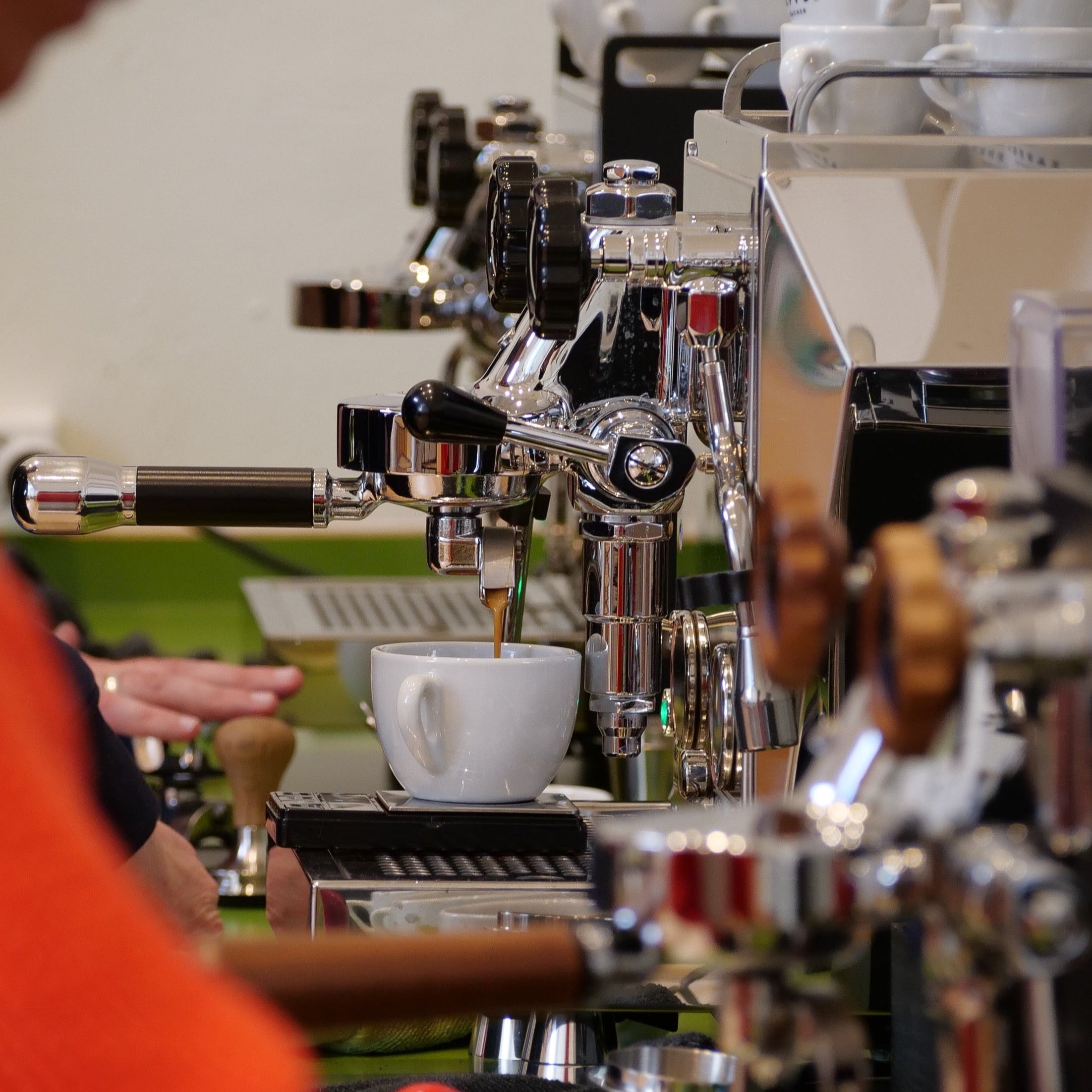
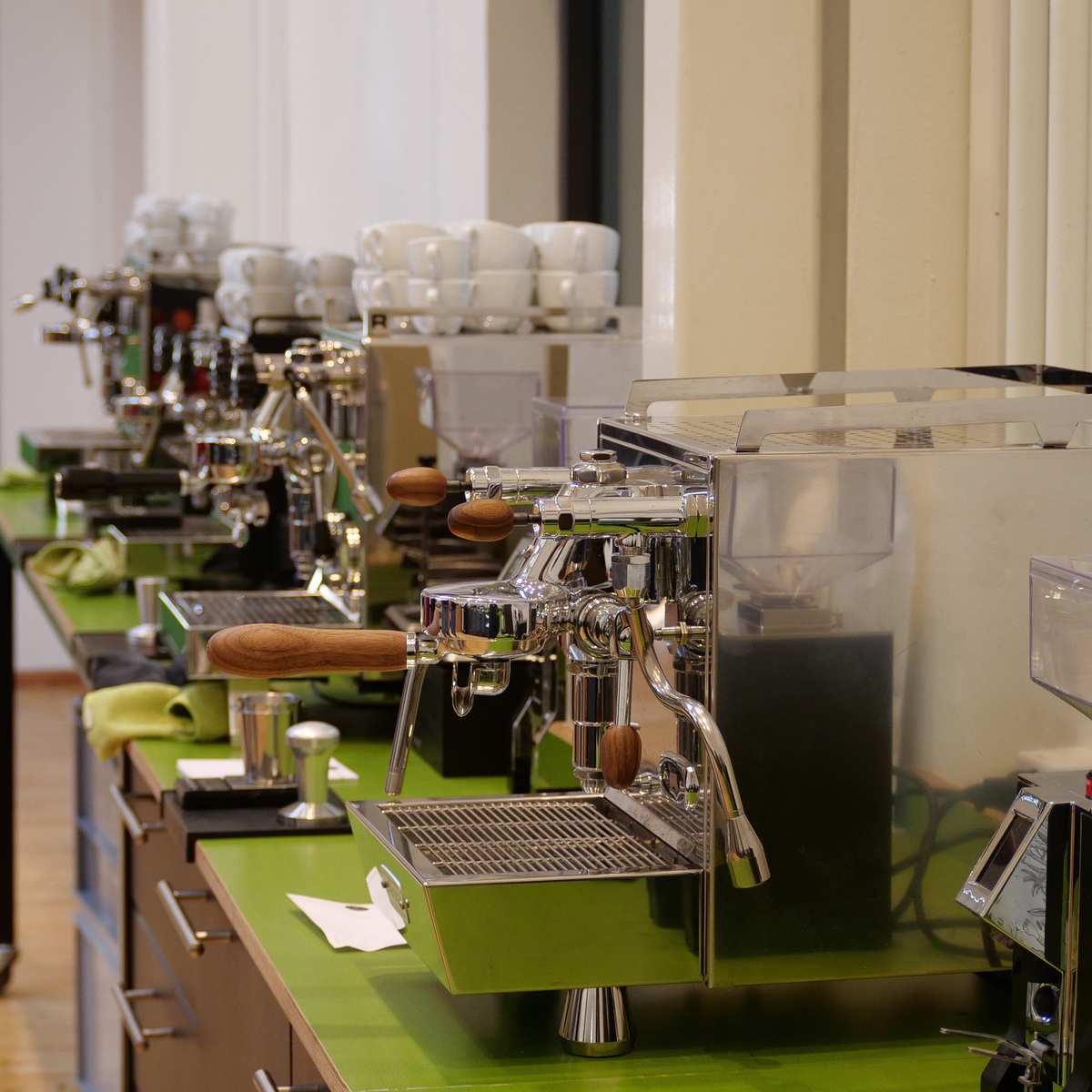
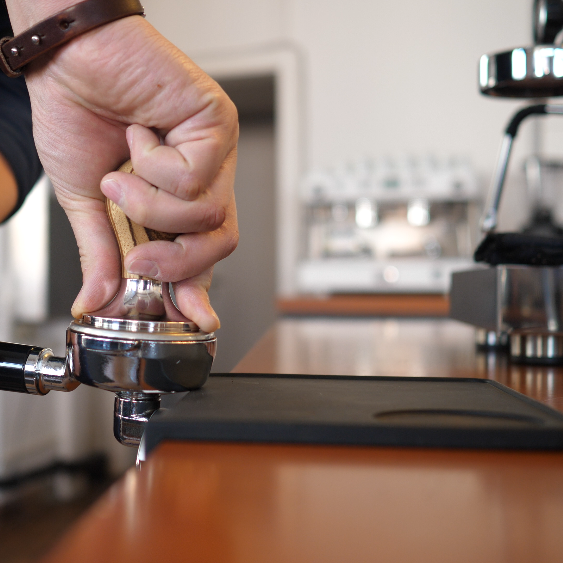
Shortly after we agreed to collaborate, Stucki sent their entire service team to our academy. We worked intensively for a full day on machines and grinders, discussed complex aromas, brewing ratios, and roast profiles.

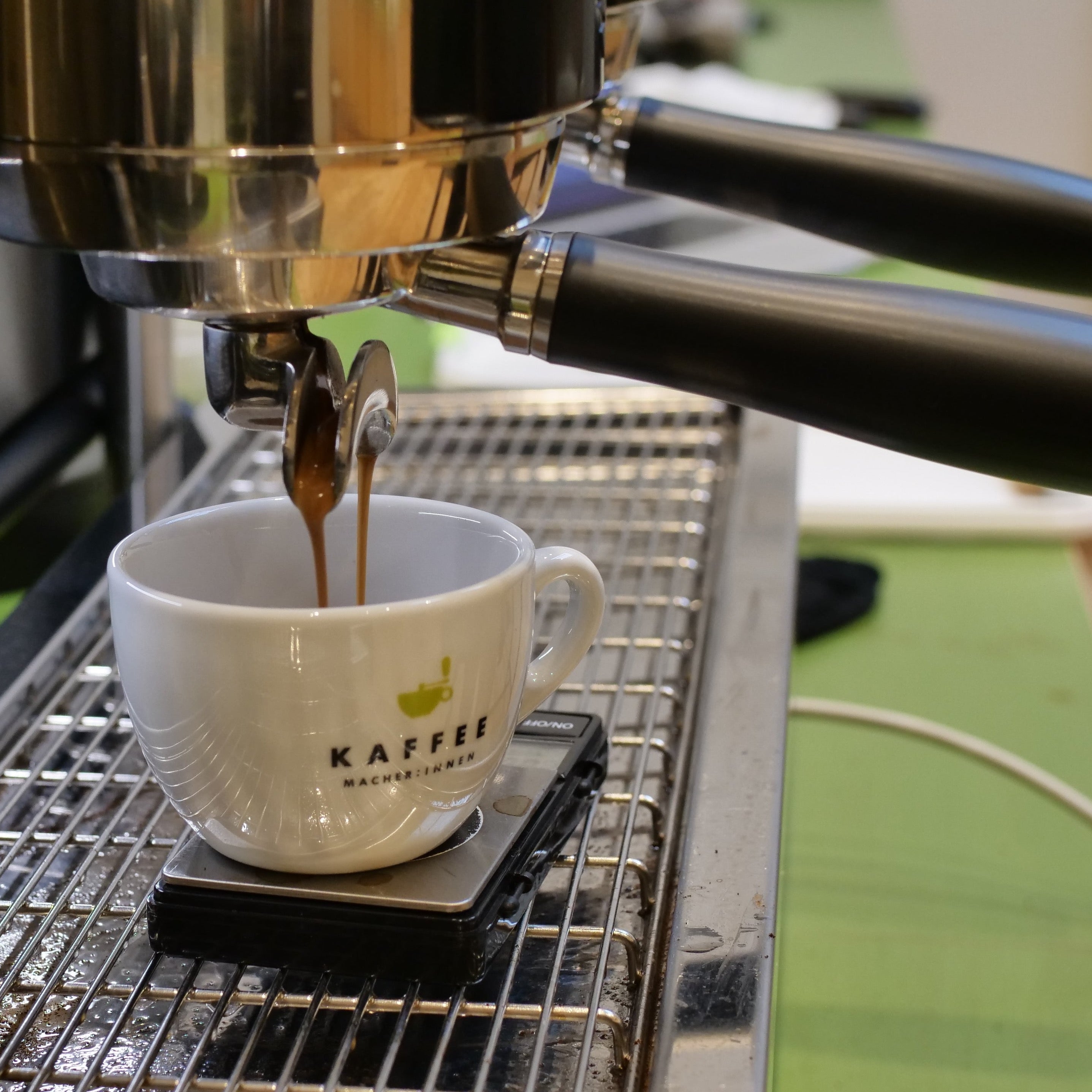
The team equipped themselves with new grinders and a machine from Dä Kafimaa and have since been brewing an espresso quality in the Michelin-starred restaurant just as we wish it. We are very pleased about this collaboration and look forward to further flavor experiments together with the Stucki team.
Not the Rule
In October 2020, I recorded a podcast with Michelin-starred chef Andreas Caminada from Schloss Schauenstein. Caminada built a mini roastery on the grounds of Schloss Schauenstein together with Claude Stahel from Black & Blaze Roastery. There, Caminada and his team roast specialty coffees in such a way that the coffees retain their character. With the right equipment and understanding of preparation, they bring this experience into the cup.
One might now think "of course". Rather not - in Michelin-starred kitchens, where fresh, high-quality and carefully selected ingredients create new flavor combinations, compromise is often chosen when it comes to coffee.
And this compromise simply needs to be easy to handle. The choice often falls on Nespresso.
Meanwhile, "chefs act as ambassadors" and like to promote capsule coffee.
Michelin-starred restaurants in Switzerland, Germany, and Austria that also serve specialty coffee remain relatively few. But when big names realign their coffee offerings and dedicate the same precision they use in cooking to coffee, then that is extremely consistent and perhaps also a new experience for guests.