















Hard to believe. Yet European coffee history would hardly have been possible without its own substitute products. In fact, coffee surrogates were largely responsible for making coffee popular and a daily beverage.
What were coffee surrogates? The list is endless, reads adventurously and in some cases bone-dry. Though "bone-dry" would be a rather generous description for some surrogates. These were products that replaced, replace, or stretch coffee wholly or partially. Here is an excerpt from a list by Mark Pendergrast from Coffee – How a Bean Changed the World: "Almonds, arrowroot, asparagus seeds and stalks, baked horse liver, barberry, barley, beechnuts, beetroot, boxwood seeds, fern, bran, bread crusts, brewery waste, brick dust, burnt rags, burdock, carob, carrot, chickpea, chicory, chrysanthemum seeds, coal ash, cocoa shells, comfrey roots, cranberries, currants, dahlia tubers, dandelion roots, date pits, earth, dog biscuits, elderberries, <…> sand, sassafras, sawdust <…>." And so on. This list goes on for over half a page in Pendergrast. Which doesn't even touch on how these surrogates were colored or made to resemble coffee. But that is another chapter and deals with lead, arsenic and dyes, though it has little to do with the original surrogates that helped coffee on its extraordinary rise.
Historical Perspective
Let's start with the baseline. While coffee became firmly rooted in the Islamic world by the latest with the unification of the Arab region under the Ottoman Empire (1520), in Europe we are still looking into beer and wine tankards. It is not until 125 years later that the first coffeehouse opens in Venice. Others in Oxford (1650), Marseille (1659), Bremen (1673) and Vienna (1685) follow.
Coffee was a luxury item at this time, barely affordable for the common citizen. It was drunk in wealthy circles. These served as a model for the people. The Federers and Clooneys of the 17th century were, for example, named Süleiman Aga. This Turkish envoy invited the court of Louis XIV to a coffee ceremony and delighted his guests. Soon after, coffee became the luxury trend product at European royal courts, in a sense the Nespresso of today. The common people oriented themselves toward the aristocratic celebrities of the time. They heard of this new drink from the south and yearned to try it. At first, however, this pleasure was only granted to a few. Coffee was barely affordable. All the more it was coveted. What had to happen, happened. On the one hand, clever minds invented substitute products, on the other hand, true mythical stories soon developed about the new product. From aphrodisiac to a medicine for expanding the mind, coffee was attributed all sorts of things. Incidentally, not only by proponents. The success was certainly also paved by opponents. Some who feared their beverage monopolies were in danger (beer, wine), others who saw the wind of free spirit blowing in the newly emerging coffeehouse culture and feared such an awakening citizenry. From country to country, the rulers reacted differently. With bans, restrictions, but also openness to the new drink – certainly also depending on whether they themselves maintained colonies that produced this new luxury item.
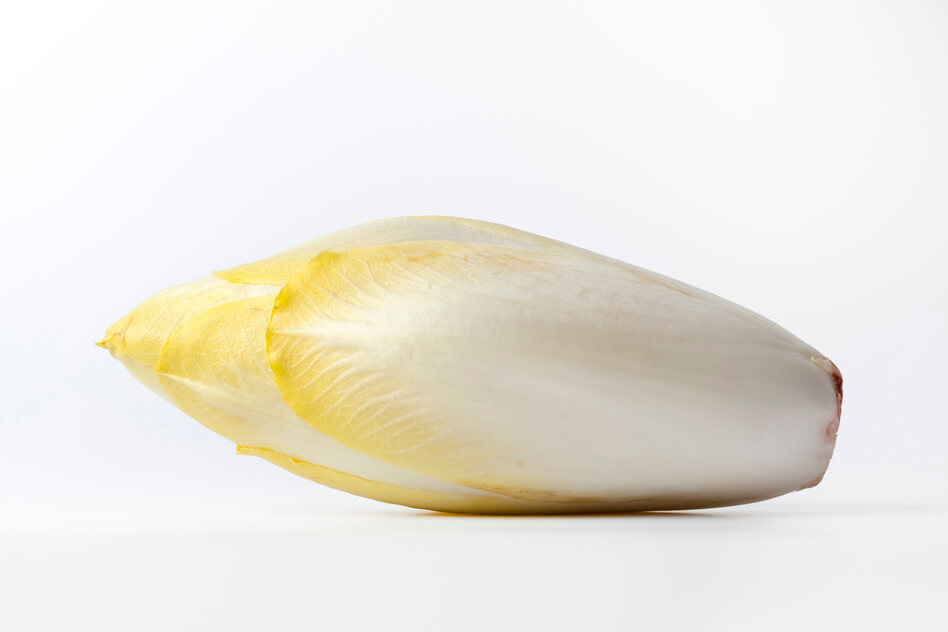
Where bans predominated (e.g. Switzerland and Germany), alternatives were sought all the more creatively. And now we come to the surrogates. For people wanted to drink this new miracle drink. If necessary, also diluted or as close an alternative as possible. The winner here was chicory, more precisely its bitter-tasting root. Mixed with sugar beets and fats, cut and roasted, it was manufactured on a larger industrial scale from 1769 onward.
A digression into brand history would be interesting here, but at least at this point has little room. In any case, chicory coffee became known as "Prussian coffee" under slogans such as "Without you healthy and rich" and "Germans drink German coffee and stay healthy." Over time it became part of people's regular eating habits and displaced beer soup as a morning meal. This was only possible because the surrogate, in contrast to real coffee, was affordable for the common people.
Coffee Substitutes Become a Habit
The taste of substitute coffee thus established itself in all households. When the production of real coffee then took on increasingly large proportions, coffee prices also moved to more affordable levels. And over time, the amount of real coffee in surrogate blends also grew.
Today we can still consciously choose a surrogate. Many roasteries keep special blends on hand for customers. In coffee blends that are described as such, surrogates should have disappeared. They usually have. There are exceptions to the rule. And of course not everything that glitters or bears the words "crown," "premium," or "specialty" is gold. But we'll have more to say about that another time.