



A pointer to the future of espresso machines
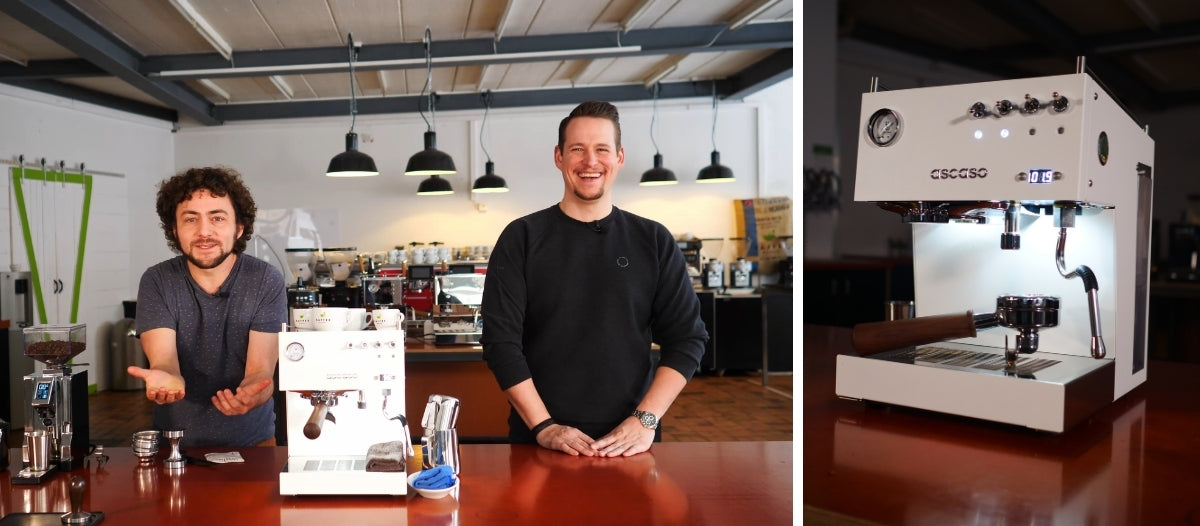
The Ascaso Steel Duo PID is a thermoblock espresso machine that sets standards. It combines high temperature stability with a short heat-up time and still has relatively low power consumption for an espresso machine. The combination of these features left a lasting impression on our testers Michel Aeschbacher (Vice Barista Master in Switzerland) and Benjamin Hohlmann (German Cup Tasting Master).
The Ascaso Steel Duo PID was tested as part of our thermoblock test series. After an extensive test series with dual boiler espresso machines, we publish another espresso machine test week after week.
UPDATE: The Ascaso Steel Duo PID was revised in 2022. We tested the espresso machine again and summarized the changes in a video and article. You can find the short blog post about the latest version of the Ascaso Steel Duo PID here.
First impressions of the Ascaso Steel Duo PID
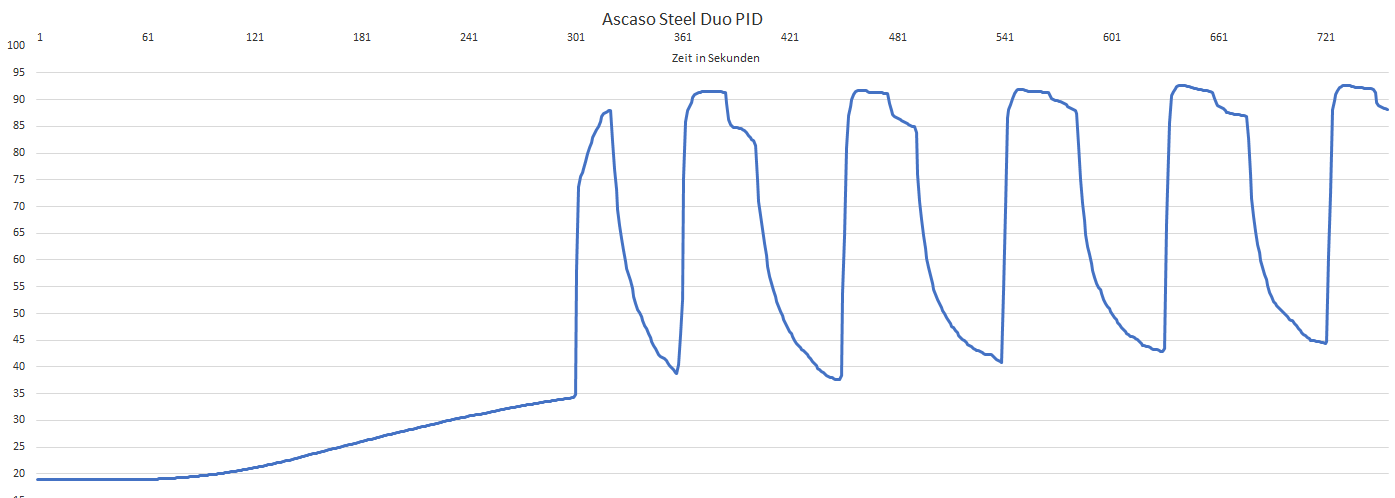
The espresso machine aficionados at Kaffeemacher are in a shared WhatsApp group. There we share machine impressions, point out outstanding espressos or interesting content. This is also where we summarize test results with short, concise words. Michel's comment after the first measurement of the Ascaso Steel Duo PID was simply "insane". Attached was the following screenshot of the 1st measurement of the temperature curve of the Ascaso Steel Duo PID. Felix's reply: "that's pretty damn good".
That really does sum up a lot of what we'll go into more detail about below. Just a heads up: there are also some improvements we'd like to see for the Ascaso Steel Duo PID. Nevertheless, in many ways it's also a pointer to the directions future espresso machines could take. Namely towards thermoblocks or smaller boilers, towards energy saving and quick heating. All of these are really strong arguments for a home-use espresso machine.
Strengths and weaknesses at a glance
Strengths
- Temperature consistency from shot to shot and over multiple extractions
- Heat-up speed (3 minutes)
- Energy consumption
- Espresso quality (can be increased with simple upgrades)
- High-quality portafilter with wooden handle
- Controls (volumetric, display)
- Side water tank
Weaknesses
- Build quality, especially internally
- Steam power
- Machine heating
- Cup stand construction
- Accessories (tamper, baskets)
The thermoblock duo of the Ascaso Steel PID
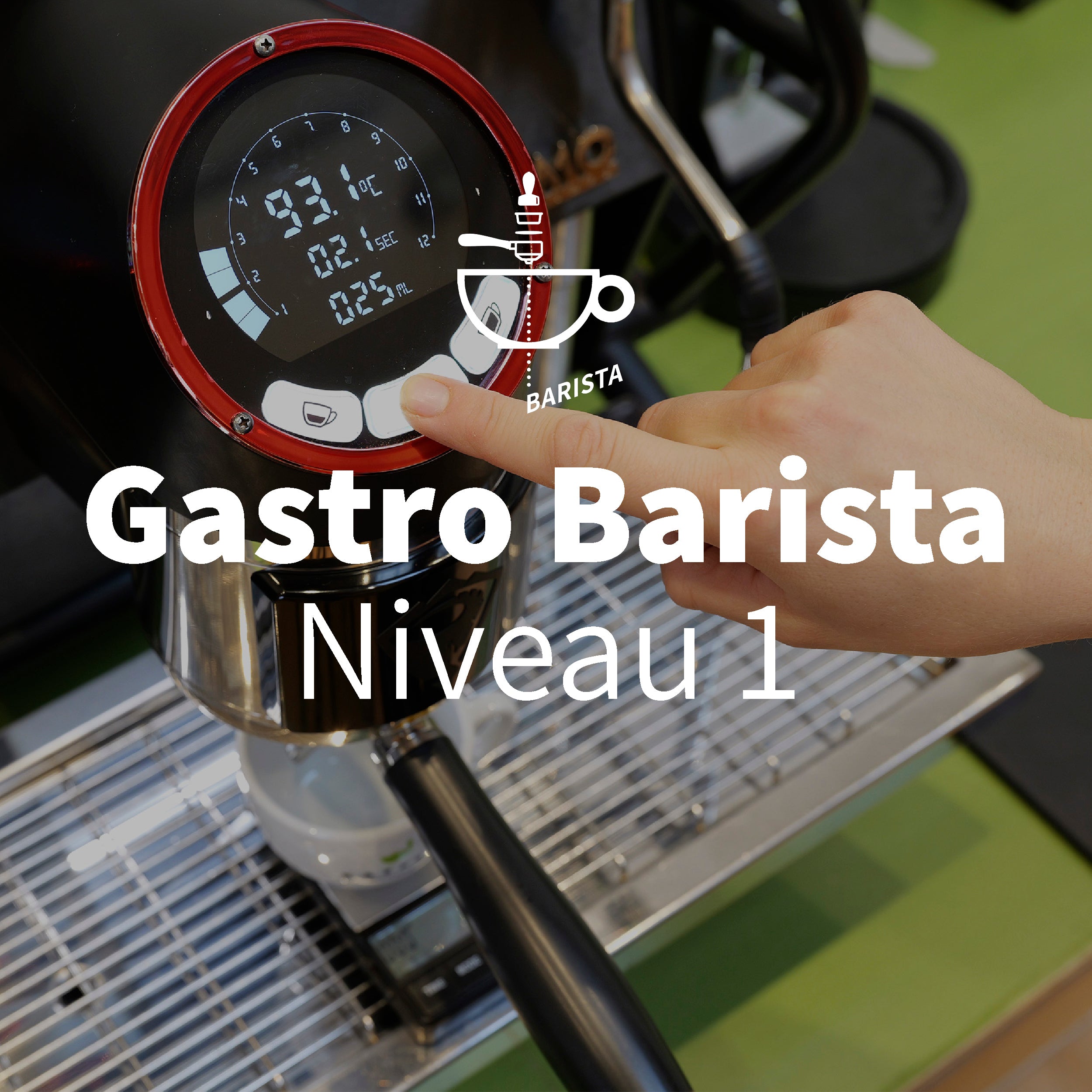
Two thermoblocks give the Ascaso Steel Duo PID its name. One of these two thermoblocks heats the brew water to temperature. The temperature of this block can be easily adjusted with PID control via a display on the front of the espresso machine. A second thermoblock is responsible for milk preparation. In both cases, water is passed through a spirally rolled stainless steel tube, which lies in an aluminum block. The thermoblock responsible for the brew water sits directly above the portafilter and ensures good heating of the portafilter. Ascaso does this significantly better than other thermoblocks we've tested. These constantly struggle with the portafilter temperature being too cold. This automatically also leads to a cooling of the brew temperature during extraction, as temperature is lost to the portafilter. With the Ascaso Steel Duo PID, we were able to measure temperatures of 89–92 degrees in the portafilter even at rest.
The heat-up time of the thermoblock duo in itself is not spectacular. Like all other thermoblocks, the machine signals readiness very quickly (after 3 minutes). The speed really becomes interesting only through the fact that the Ascaso Steel Duo PID is then actually ready to operate – in the best sense of the word.
Temperature consistency – Catalan Champions League
When it comes to brew temperature, Ascaso delivers what makes a thermoblock a nearly unbeatable technology for heating brew water for espresso preparation: consistency at its finest. Both during the shot and from shot to shot, the Ascaso Steel Duo PID holds its own against every dual boiler espresso machine we've looked at. The brew temperature flows along like a line and the temperature variation over 5 double shots in 5 minutes is only one degree. That's Champions League quality, which this company founded in Barcelona in 1962 brings to the brew group. And to stick with football analogies: in comparison, the further development of some boiler machines over recent years seems as ponderous as European football was when between 2008 and 2012 the Spanish national team and FC Barcelona under Pep Guardiola stormed through with a novel tiki-taka football.
Now it must be said: thermoblocks are of course nothing new when it comes to heating brew water. Filter coffee machines have emitted the sound of thermoblock water since time immemorial. What is new or newer is that the temperature from the thermoblocks of the Ascaso Steel Duo PID is delivered at the temperature we desire thanks to intelligent temperature control. A good espresso can be prepared at temperatures between 92 and 94 degrees (measurement log file).

Boiler versus thermoblock
There are few arguments that favor a boiler espresso machine when it comes to home espresso preparation when a thermoblock performs like the brew thermoblock of the Ascaso Steel Duo PID. Boiler machines include single boiler, dual boiler, and heat exchanger espresso machines.
- Temperature is at least as consistent as the temperature of the better dual boiler espresso machines we examined
- the machine reaches full operating temperature in about 3 minutes (while dual boiler espresso machines need 20 minutes or more)
- the machine has significantly lower energy consumption (see next section), even if you didn't switch it off, which is certainly possible since it heats back up quickly.
- In addition, water doesn't sit in the boiler. Fresh water is delivered for espresso preparation.
- A lower scaling tendency is another pro argument for a thermoblock.
Arguments in favor of a boiler:
- Better milk frothing behavior, both in terms of power and regarding the continuity of steam output.
- Proven workhorse mentality in commercial settings.
We can't think of many other arguments in favor of a boiler when a thermoblock delivers like the Ascaso Steel Duo PID. Please help us out if you find any other points!
Energy consumption
We tested consumption in kilowatt-hours after 5 minutes and then the following 5 double espresso shots. For this, we used an adapter from MyStrom.ch. The measurement showed consumption of 0.09 kWh.
After another two hours, we performed another extraction of a double espresso. The consumption was now 0.28 kWh.
The second value can be compared with the consumption of dual boiler espresso machines. We also measured these after two hours. The Xenia Espresso recorded the lowest consumption at 0.48 kWh and the Bezzera BZ10 at 0.48 kWh. The Bezzera Magica S brought up the rear with 0.72 kWh.
It should be noted here that due to the short heat-up time, the Ascaso Steel Duo PID could also have been switched off. This would have further reduced the consumption value after two hours.

Build quality of the machine
One of the biggest criticisms of the machine is its build quality. The exterior of the machine looks tinny, particularly when you tap on the side walls or the cup stand. Compare this to a stainless steel machine in the dual boiler class at the same price point, and ECM, Rocket and co. win the race.
However, the Ascaso Steel Duo PID counters with one of the most beautiful standard portafilters. A wooden handle is an upgrade on many other machines, but it's already included here. Looking inside the machine is not for friends of neatly routed cables. Perhaps the tiki-taka tactic was at work here too, but rather to the detriment of the machine. Everything looks a bit unorganized in terms of wiring. We received feedback from Ascaso Steel Duo PID users that screws weren't properly tightened and cables were pinched. We couldn't confirm this with our unit, but we did have a plastic cover fall off. Not serious, but still an expression of the fact that the same care wasn't applied here as in the calibration of the machine.
The Ascaso Steel Duo PID is 27 cm wide, 31.5 cm deep and 36 cm high. The water tank holds 2 liters and the machine weighs 15 kg.
From the outside, the Ascaso Steel Duo PID initially makes a good impression. But if you look closer, you'll find some unattractive side effects. The drip tray is actually plastic and merely has a metal bezel. The slant of the cup stand causes cups to slide backward during extraction due to vibration. Even if you initially space the cups apart, they end up nestled together at the back of the stand by the end of the shot. The result is a cup-clinking orchestra that turns up the volume.
In our opinion, the cup warmer provides far too much heat. We would recommend disconnecting it at the internal connector. You don't need cups that hot. The machine provides enough waste heat even if it's on longer. If you only run the machine briefly, the heater certainly makes sense.
Espresso quality of the Ascaso Steel Duo PID
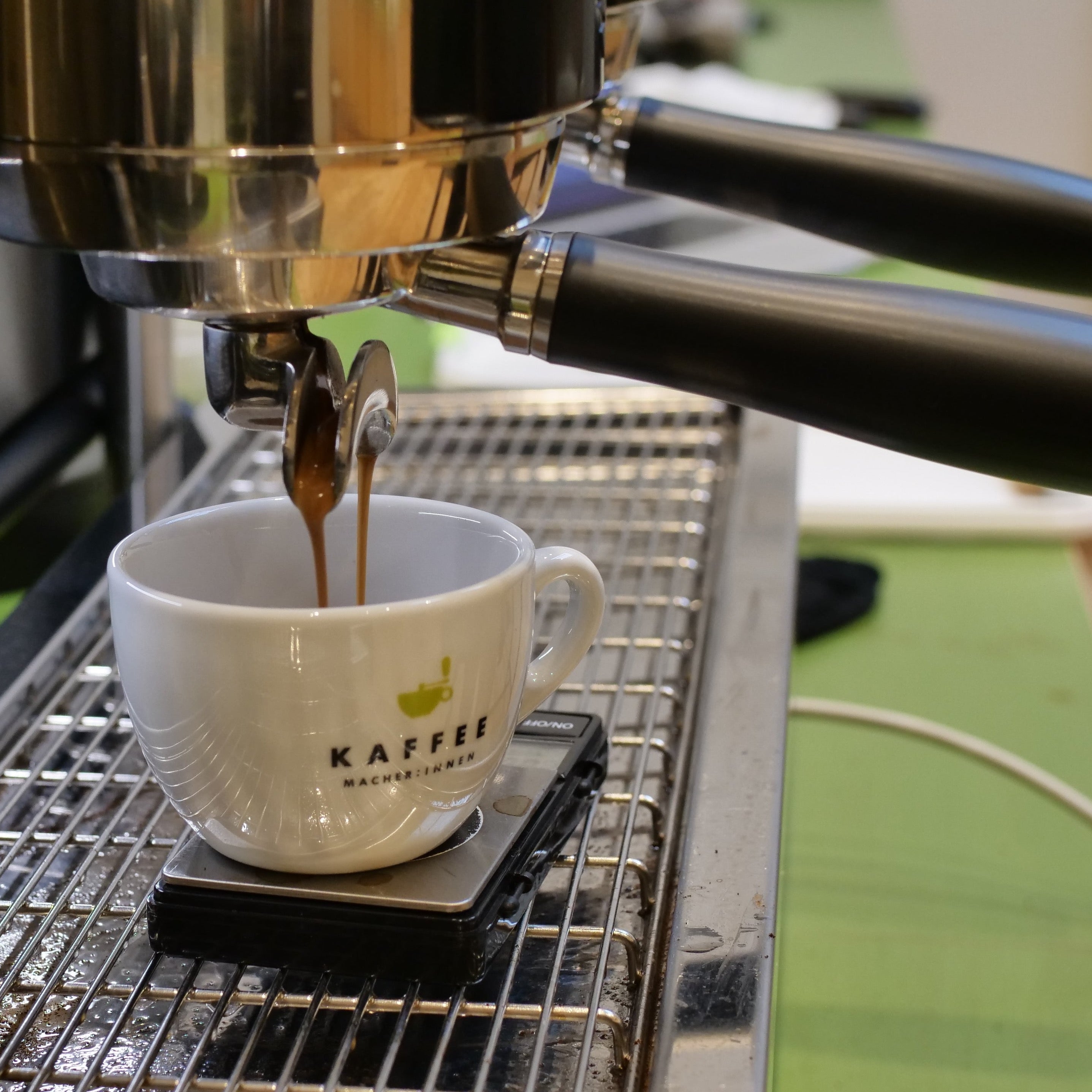
For many steps on the path to the perfect espresso, the barista is responsible. Coffee-to-water ratio, grind size, good preparation of the coffee in the portafilter, distribution and tamping. Then comes the work of the espresso machine. What the Ascaso Steel Duo PID basically delivers here enables a perfect espresso. Consistent brew temperature and consistent pressure are the fundamental factors for a good result.
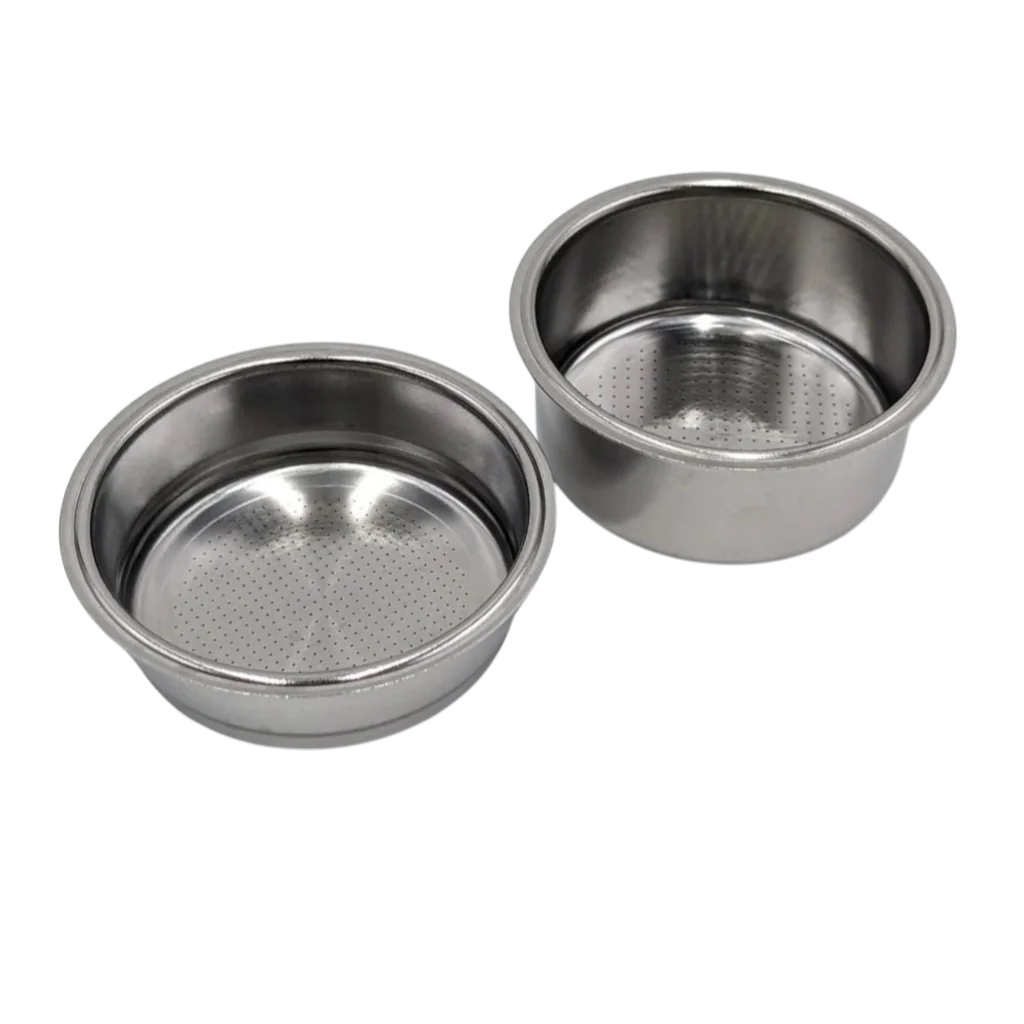
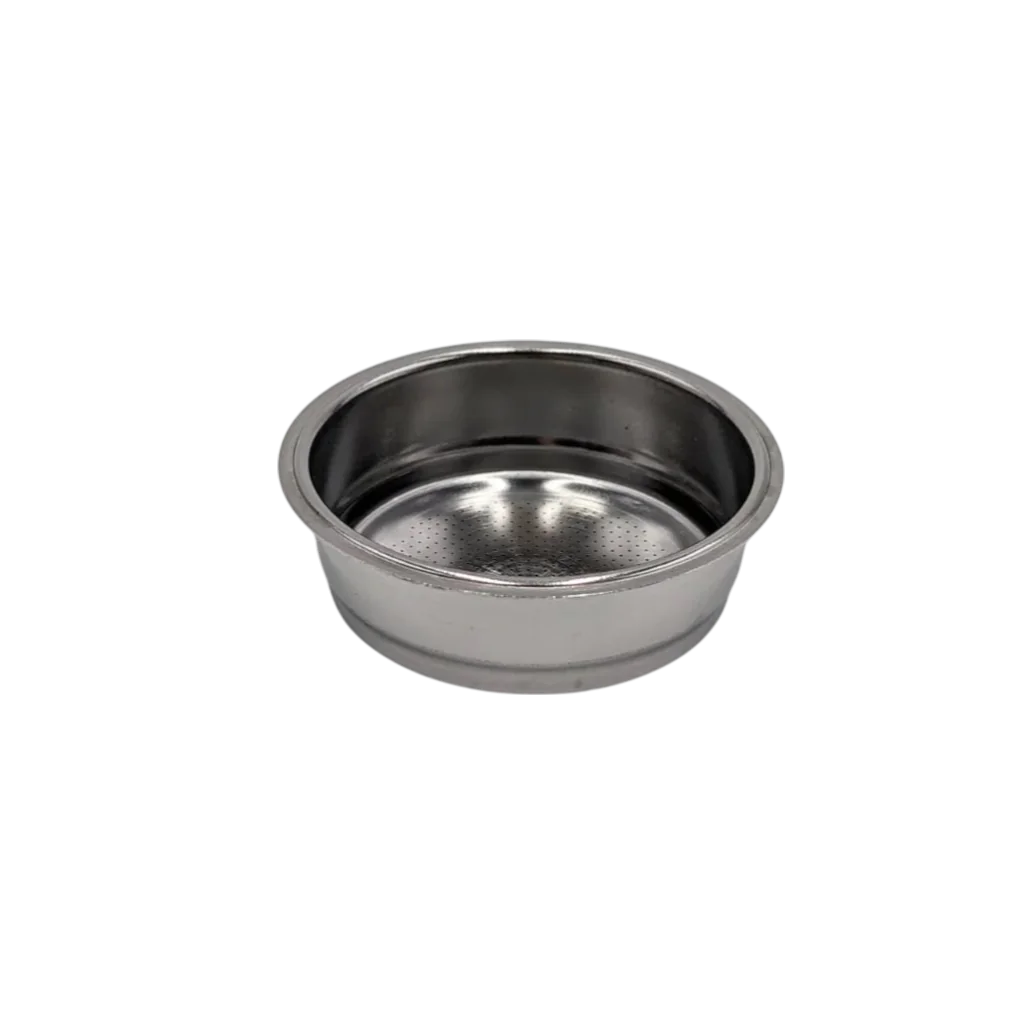
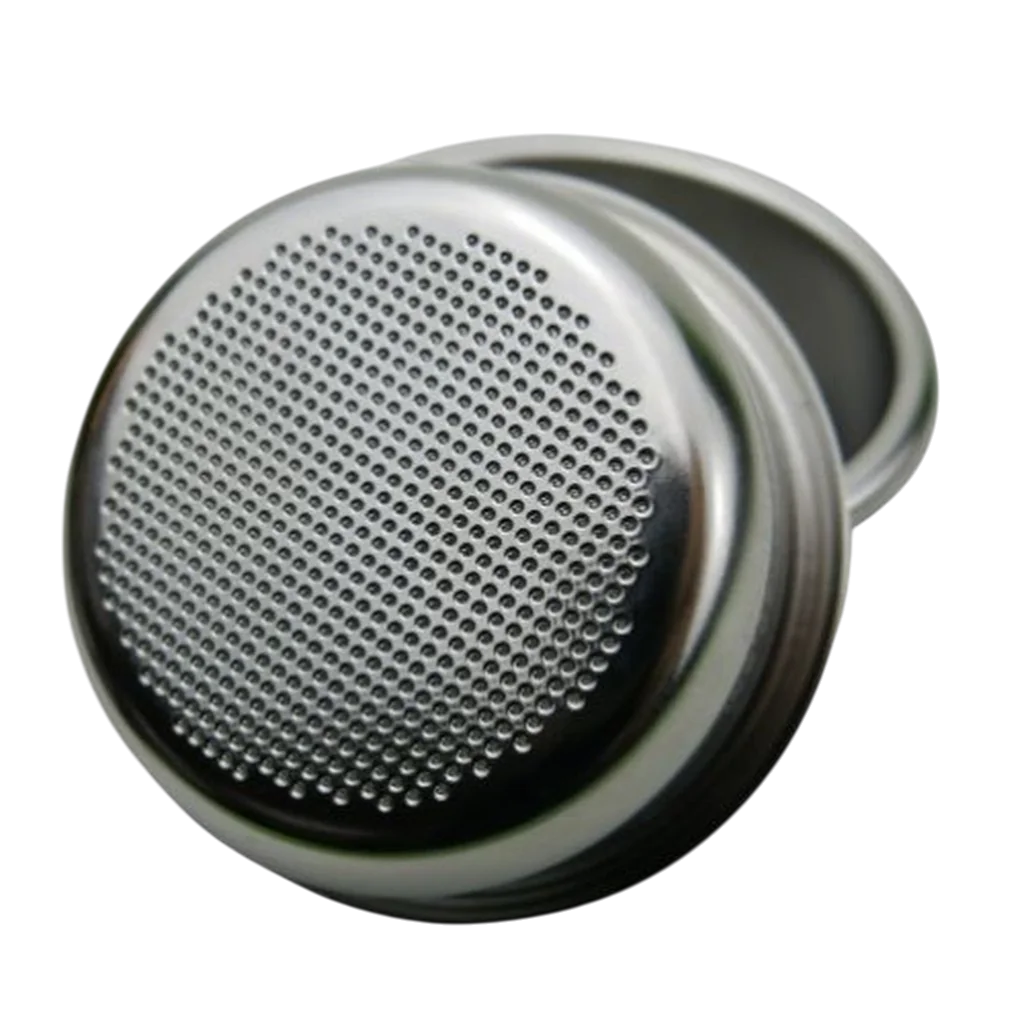
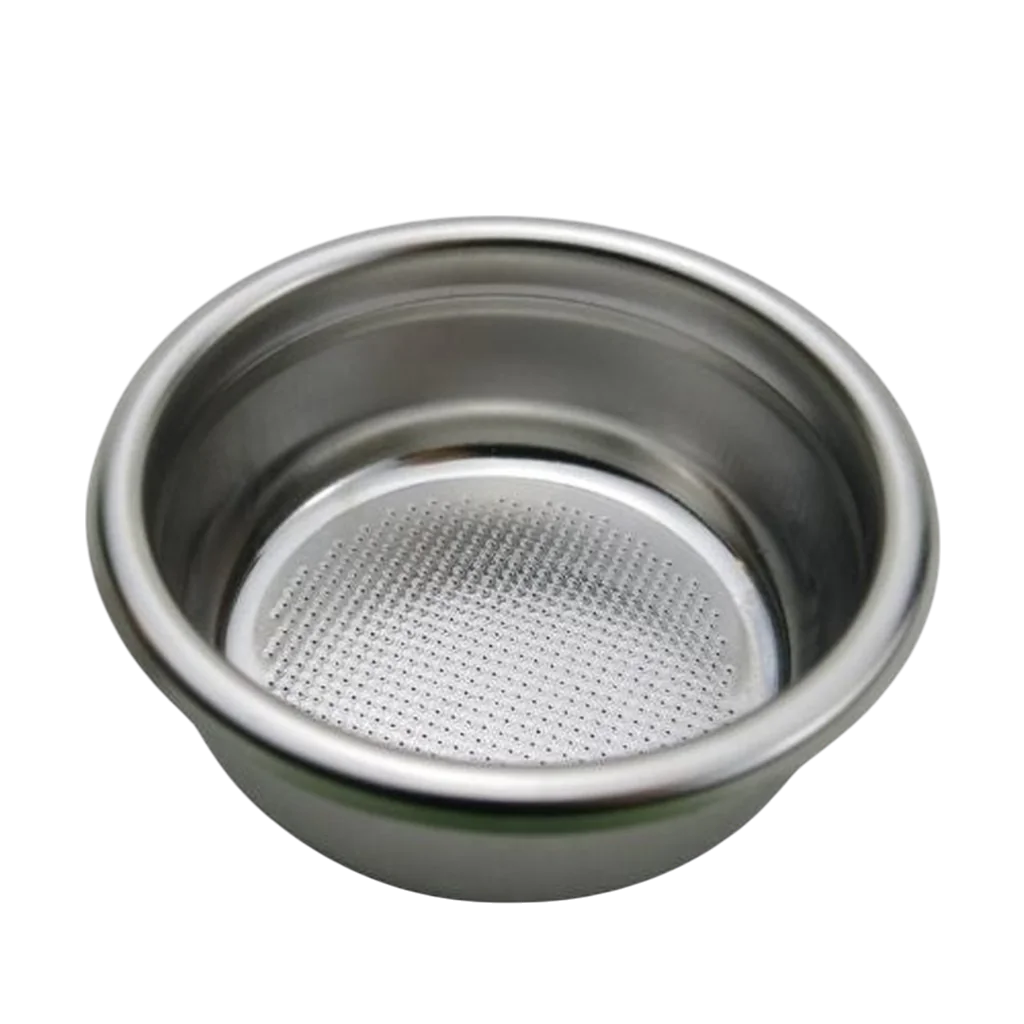
And so we drank many good espressos (our three-point espresso, to be precise) and yet with two small adjustments we improved the quality further. On the one hand, we replaced the shower screen of the Ascaso Steel Duo PID with the IMS Competition shower screen. This makes an incredible difference in distribution. The water is distributed very homogeneously across all the coffee. On the other hand, we replaced the baskets with these baskets from IMS (size 24.5). Their holes extend closer to the edge than those of the small included baskets, which hold just under 15 grams. In addition, with a capacity of just over 19 grams, they allow longer drinks to be pulled. This makes sense for both espresso and cappuccino.
We use several Ascaso Steel Duo PIDs in our academies and have upgraded all of them with this basket upgrade. Then the machine can also be used very well with our tamper.

Milk frothing is not a signature strength of the Ascaso Steel Duo PID
If you mainly drink milk-based drinks, you're probably not perfectly equipped with the Ascaso Steel Duo PID. The milk frothing performance can't keep up with the steam quality of dual boiler espresso machines in the same price range. The pressure generated by the second thermoblock is too low. You can froth milk with the Ascaso Steel Duo PID using a 600ml milk pitcher, but that really takes a lot of practice and experience to pull and roll the milk at the same time (see also our latte art tutorial on our YouTube channel).
We recommend using the smaller 350ml milk pitcher. With a bit of practice, the milk foam will work out. However, if cappuccinos and the like play a big role in your drink selection, we'd rather recommend a dual boiler espresso machine.
Conclusion on the Ascaso Steel Duo PID
The Ascaso Steel Duo PID is in many ways an excellent espresso machine. Above all, the temperature consistency stands out. This is how the machine demonstrates what's possible with thermoblocks. With such consistency, even over multiple shots, the machine points the way to possible developments in the area of home espresso machines.
Many classic espresso machine manufacturers continue to rely on large boilers that must be brought up to temperature and maintained. In theory, these are then consistent, although our dual boiler test also showed that this doesn't apply to all machines. What's certain is: for a few espressos a day, a lot of water has to be heated. That there are smarter solutions for this is proven by the thermoblock. When manufacturers like Ascaso or Decent prove in a higher price segment that temperature can also be perfectly controlled with thermoblocks, we're curious to see how this will inspire the market. We look forward to what might happen in this regard in the coming years.
Addendum: Availability and calibration
We do not sell the Ascaso Steel Duo PID in Germany.
We consciously decided not to sell portafilter machines in Germany (as of December 2022).
We received many messages asking whether we could calibrate the machine. Unfortunately, we cannot offer this.