




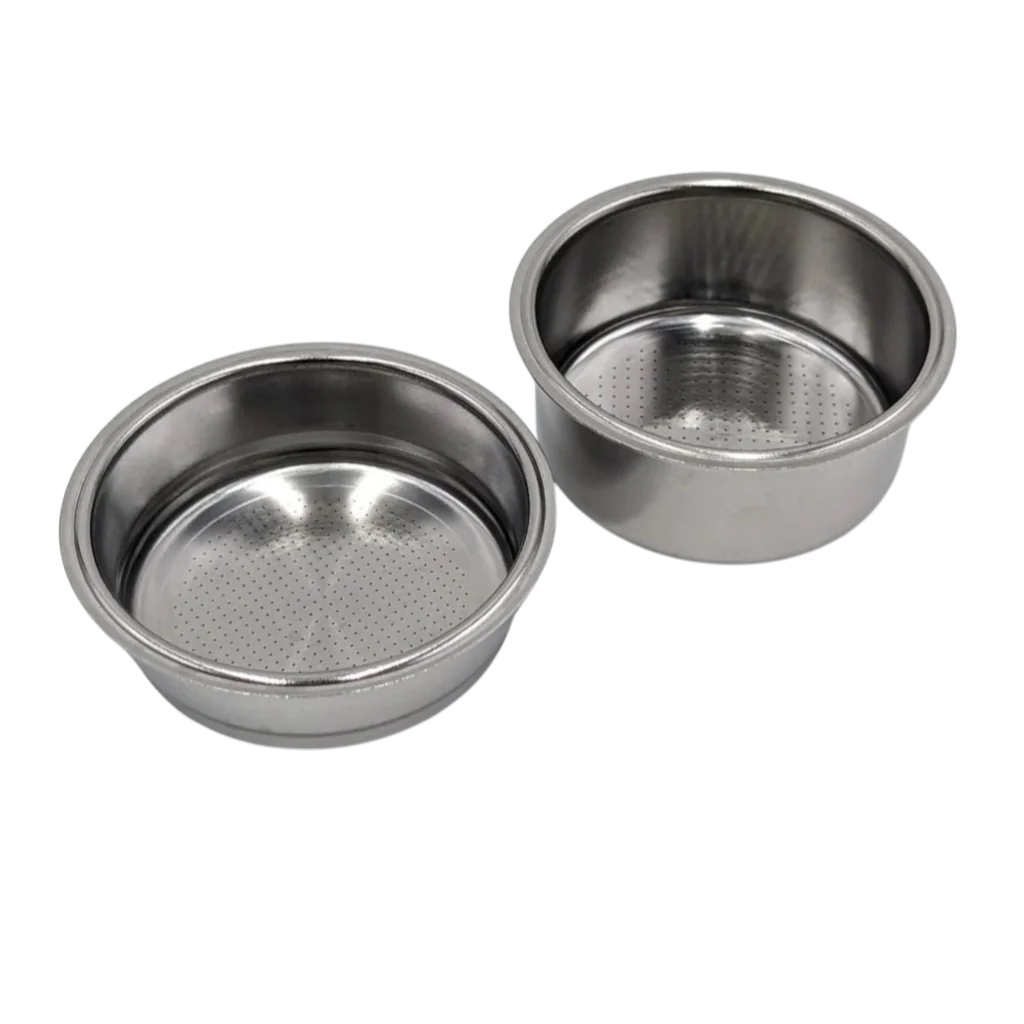
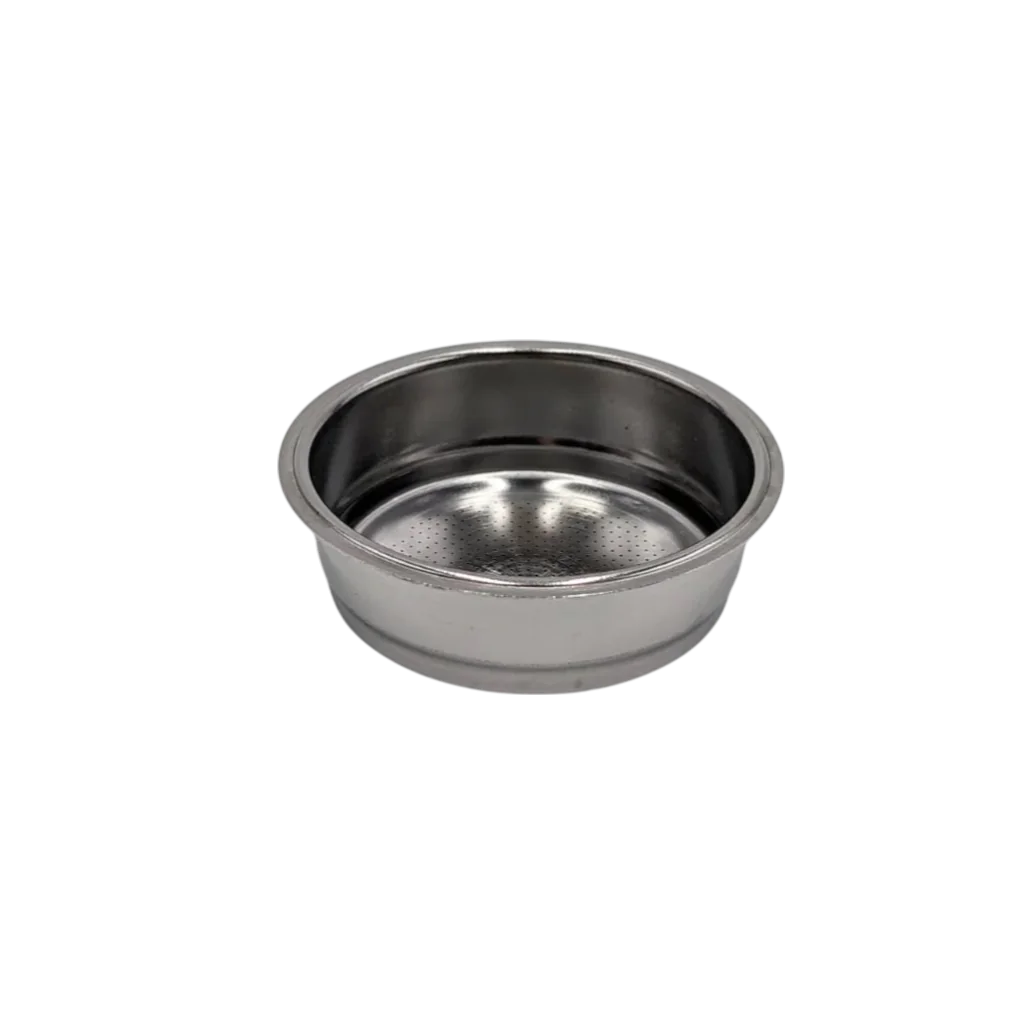
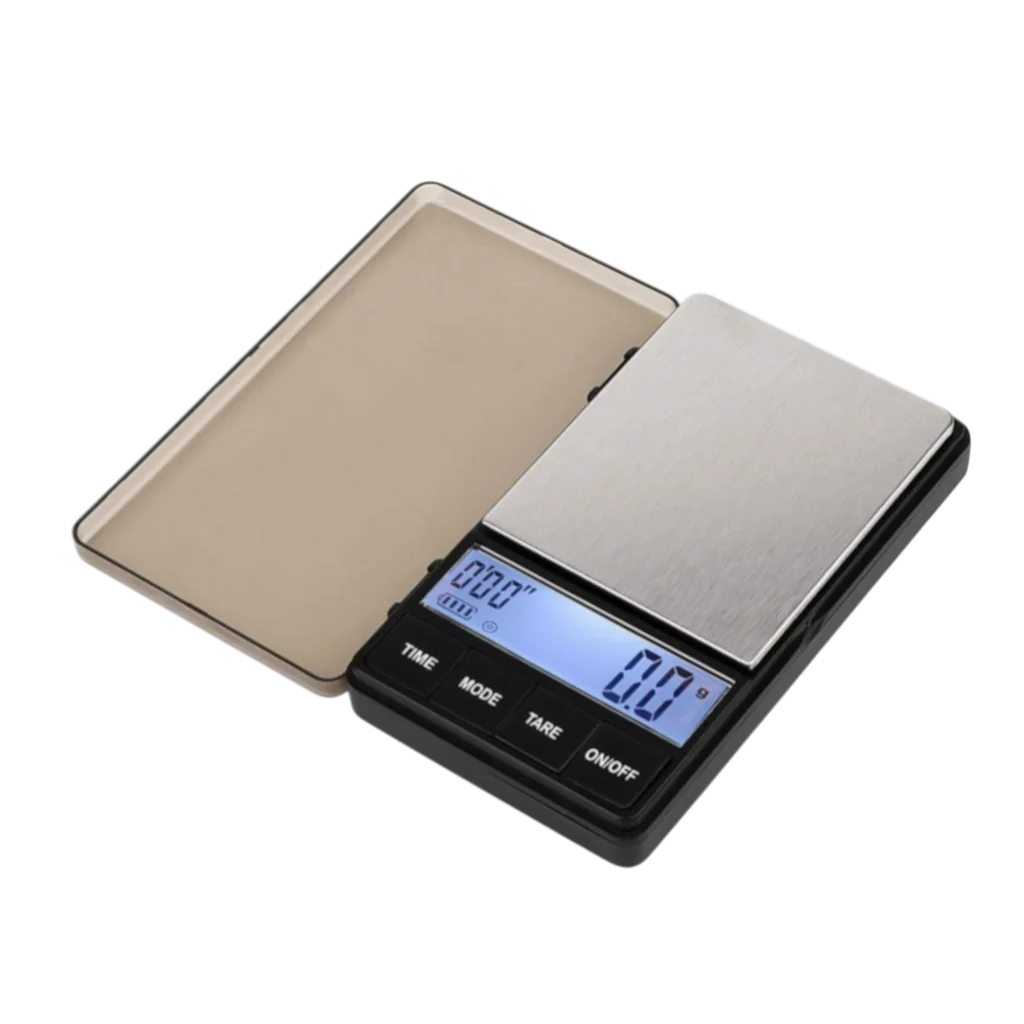
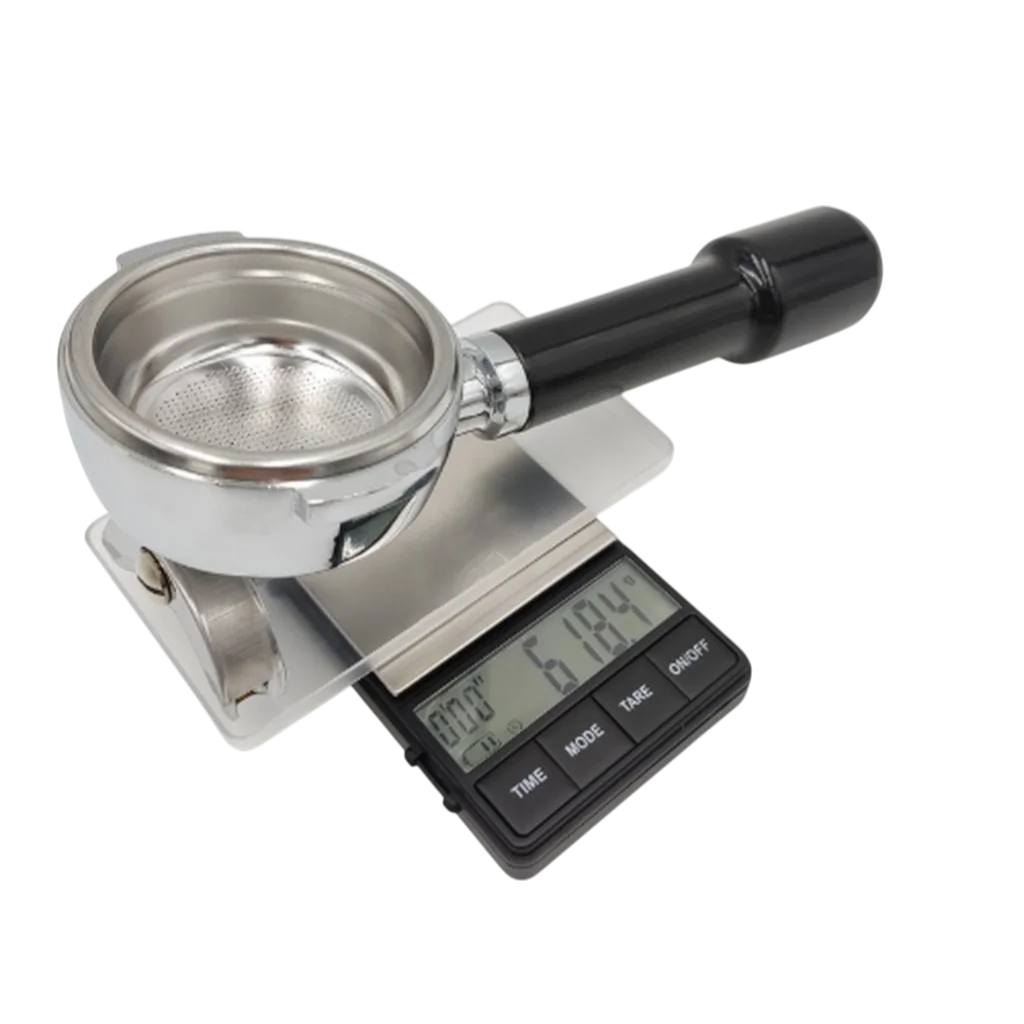




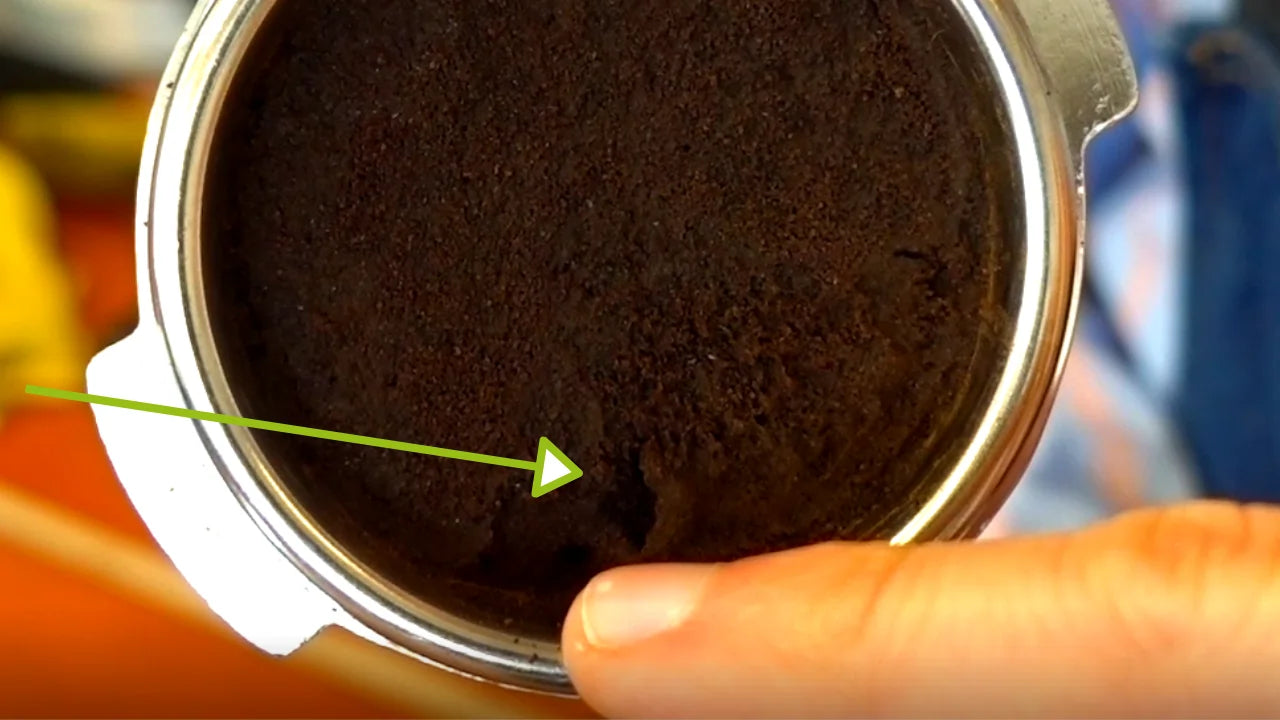

Anyone who gets more intensively involved with espresso preparation cannot avoid dealing with the concept of channeling. This refers to channel formation in the portafilter, which prevents even extraction and negatively affects coffee enjoyment.
In coffee forums and video tutorials, you might think channeling is that evil monster lurking in the closet, just waiting to sneak around the corner and turn our beloved coffee into a bitter or sour nightmare. It seems as though channeling is the root of all evil in the world of coffee – a secret saboteur determined to ruin our perfect espressos!
We advocate for a relaxed approach to the topic of channeling! In the last 50 years, when bottomless portafilters were not yet used, nobody gave channeling a second thought. And yet, the vast majority of espresso brews tasted absolutely delicious and nobody complained.
Since the Third Wave of Coffee and the more intense interest in the origin and production of coffee, every aspect of preparation is being analyzed more closely and scrutinized. Channel formation in the coffee puck negatively affects the taste of the coffee, but it can be extremely minimized through simple steps! In our blog, we show you why channeling actually affects taste, how to recognize channeling in your espresso, and what mistakes you should avoid when preparing espresso.
What happens during channeling from a physical perspective?
When brewing espresso, the brewing water is forced through the coffee puck and portafilter at approximately 9 bar pressure. As you already know, the extraction time of the espresso decisively determines the taste of the espresso. The longer the water is in contact with the ground coffee powder, the more particles are extracted from the coffee. If the coffee is extracted for too long, it becomes over-extracted, tastes bitter, and has an unpleasant mouthfeel. If the water runs through the coffee puck too quickly, the espresso is under-extracted. It then tastes sour and has a watery texture.
By adjusting the grind setting of the grinder, we change the physical resistance for the water. The 9 bar pressure pushes on the coffee puck, and the coffee puck prevents the water from passing through. The water wins this battle, and the espresso flows slowly and creamily from the portafilter.
Water takes the path of least resistance. Especially when water is under pressure, it hisses out wherever a small hole opens up or a boundary is too thin.
This is exactly what happens during channeling. If the coffee puck has a small crack in its surface during grinding, distribution, and tamping, or if there's a hidden hole in the puck, the water will take exactly this path during extraction under pressure. Instead of evenly extracting the entire coffee puck in 30 seconds, part of the brewing water shoots directly through this crack into the cup.
Even if your grind setting is perfectly adjusted, the coffee at this point on the coffee puck will be extracted incorrectly. The areas around the crack in the coffee puck will be very heavily extracted because all the water flows through there. The other areas of the coffee puck will be under-extracted. The result in the cup is unbalanced and sometimes barely drinkable.
How do I recognize channeling in my espresso?
If your coffee tastes sour, bitter, or simply unbalanced, that could be a sign of channeling. Of course, there could be other reasons. First, we recommend watching our video about 20 typical mistakes in espresso preparation. If you've avoided all sources of error and your espresso occasionally tastes undrinkable at irregular intervals, that's a clear sign that you occasionally have channeling.
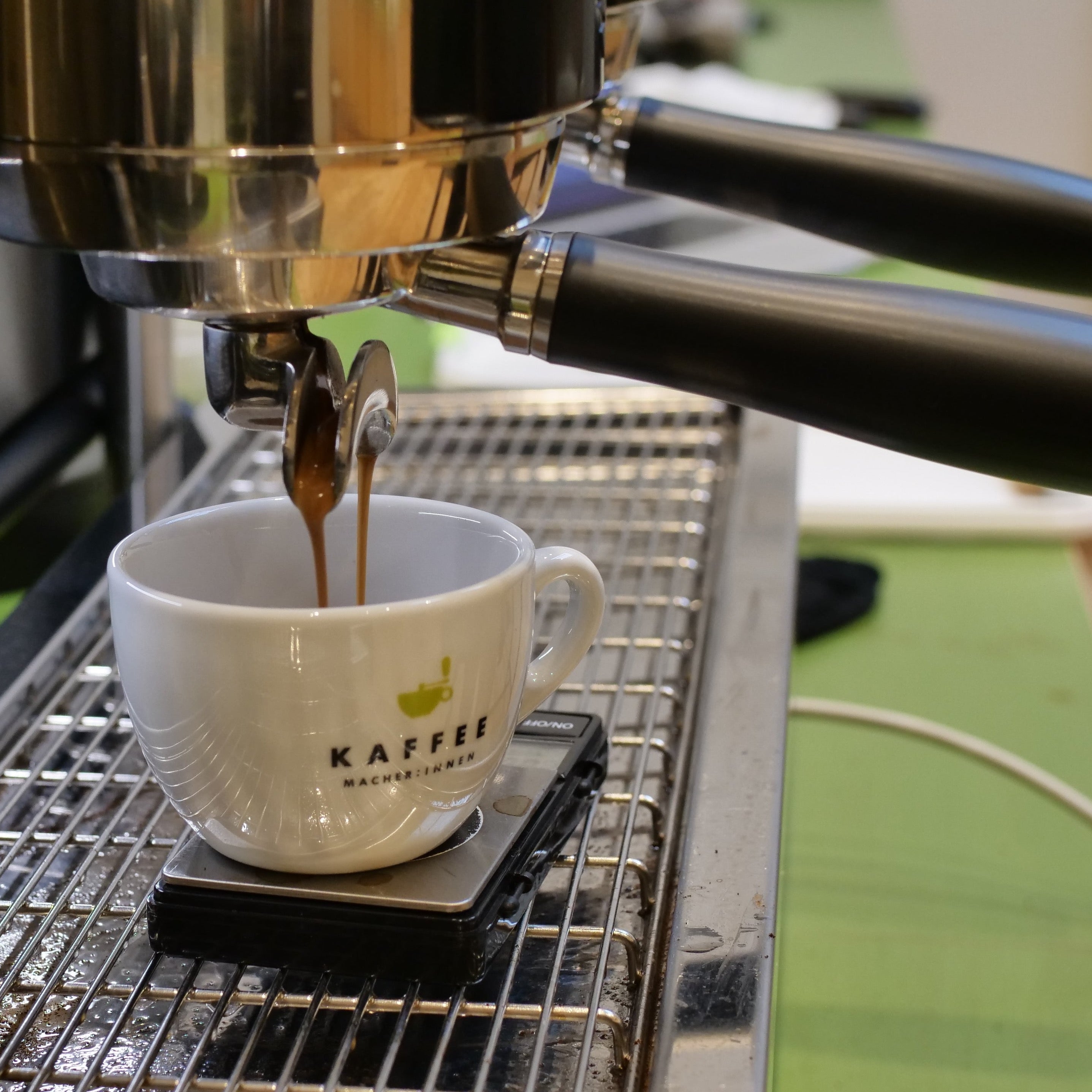
You can recognize channeling even better if you take a closer look at the outlet of your portafilter. If the espresso comes out immediately in dark color and creamy consistency and distributes evenly into two espresso cups, you definitely don't have a channeling problem.
However, if you see that very light, almost transparent water comes out at the beginning of extraction, you can be sure that unwanted channels have formed in the coffee puck. The water then hasn't properly extracted the coffee but has simply flowed past it. It can also happen that a crack in the coffee puck breaks open during extraction. In such a case, water gurgles out of the outlets in the middle of extraction, and the even flow is interrupted. With espresso machines like the Decent or Maro, a faster water flow is then visible in the graph.
Bottomless portafilter?
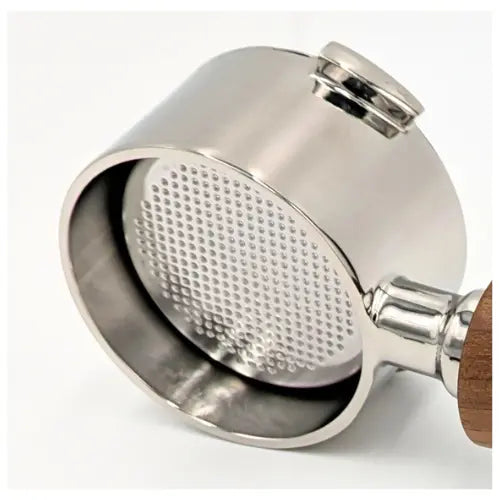
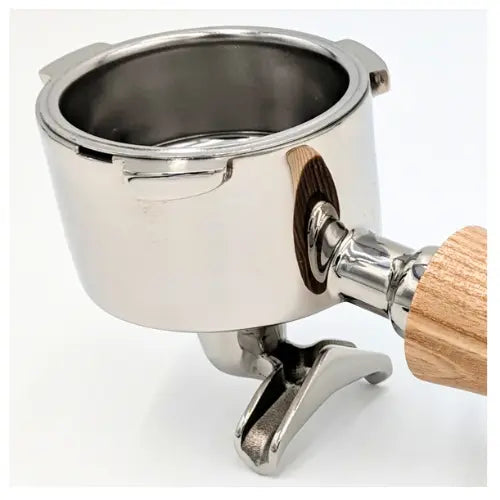
However, channeling can be recognized best with a bottomless portafilter. By looking at the underside of the basket, you can see whether the entire coffee is being extracted evenly and flowing down creamily, or whether there are individual spots where water is practically spraying out.
Ideally, the espresso flows from the bottomless portafilter initially evenly from all basket holes. Then the espresso gathers into a middle stream in all shades of brown. It looks so good that the espresso must also taste good.
We recognize channeling when thin water spritzers break out from the stream and, like from a water pistol, splatter around the cup and even on the back wall of the espresso machine. These spritzers are often much more watery than the main flow of the espresso.
But beware: a small spritz to the side during extraction doesn't necessarily mean strong channeling. Micro-cracks during extraction always occur. The most important thing is always the result in the cup.
Is it worth reading the coffee grounds?
There are supposedly people who can even predict the future from coffee grounds. However, we've found that you should be very careful when searching for clues about channeling. Not every small hole in the coffee puck is a sign of channeling. For example, the escape of CO2 can also create superficial holes. Such small, superficial holes do not negatively affect taste and are completely normal.
However, if you see large holes in your coffee puck that extend from the top to the basket bottom, you can be sure that this channel negatively affected the taste during extraction.
How can I avoid channeling?
Whether you're preparing espresso in a commercial establishment or at home, we'll show you classic mistakes that promote channeling below. If you avoid these mistakes, you'll significantly reduce the risk of channeling!
Mistake 1: Tamping without distributing
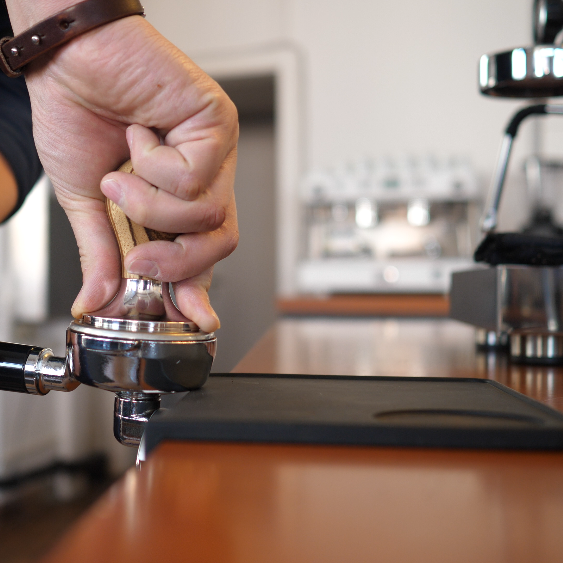
The coffee powder doesn't land evenly in the portafilter from the grinder. There's always a spot in the portafilter where a small coffee pile forms during grinding. If you now remove the portafilter from the grinder and compress the coffee powder with the tamper, there are spots in the coffee puck where there's much more coffee powder than in others. The coffee puck may look smooth and even at first glance, but the water will shoot through the spots under pressure where there's less coffee powder, since there's less resistance there.
That's why it's absolutely necessary to distribute the coffee powder after grinding. For example, you can gently tap the portafilter on the work surface so the coffee powder settles. You can also push the portafilter with gentle, sideways karate moves. A good WDT tool with proper distribution technique is a good tool for closing underground holes.
Mistake 2: Ignoring your grinder's characteristics
Depending on what espresso grinder you use, different practices are needed in puck preparation and distribution. Especially some cheaper grinders clump the coffee together heavily at finer grind settings. Others tend to pile the ground coffee more strongly on one side into a tower. When distributing, you should consciously work against these phenomena.
Clumps are a stubborn phenomenon that can almost only be broken up with a WDT tool. Wherever clumps are not loosened and instead pressed together, a weak point for the brewing water almost always forms.
Mistake 3: Tapping the portafilter with the tamper
In some courses or internet tutorials, you're recommended to tap the portafilter once more with the tamper after tamping. The idea behind this is that particles stuck to the rim of the portafilter due to static charge are pushed onto the coffee puck. Don't do this under any circumstances! The vibrations break up the already prepared coffee puck and create channels, especially at the rim of the portafilter, through which water shoots.
Mistake 4: Too much speed when locking in
Even if it looks cool: when you lock in the portafilter, please treat it with care. Don't slam it abruptly into the brew group – after all, you're not loading a revolver! If you slam the portafilter against the brew group, it has the same effect as tapping with the tamper. The coffee puck breaks up, and channels form that can spoil your espresso enjoyment. Instead, take an extra two seconds for careful locking and enjoy a perfect extraction!
Mistake 5: Sloppy work
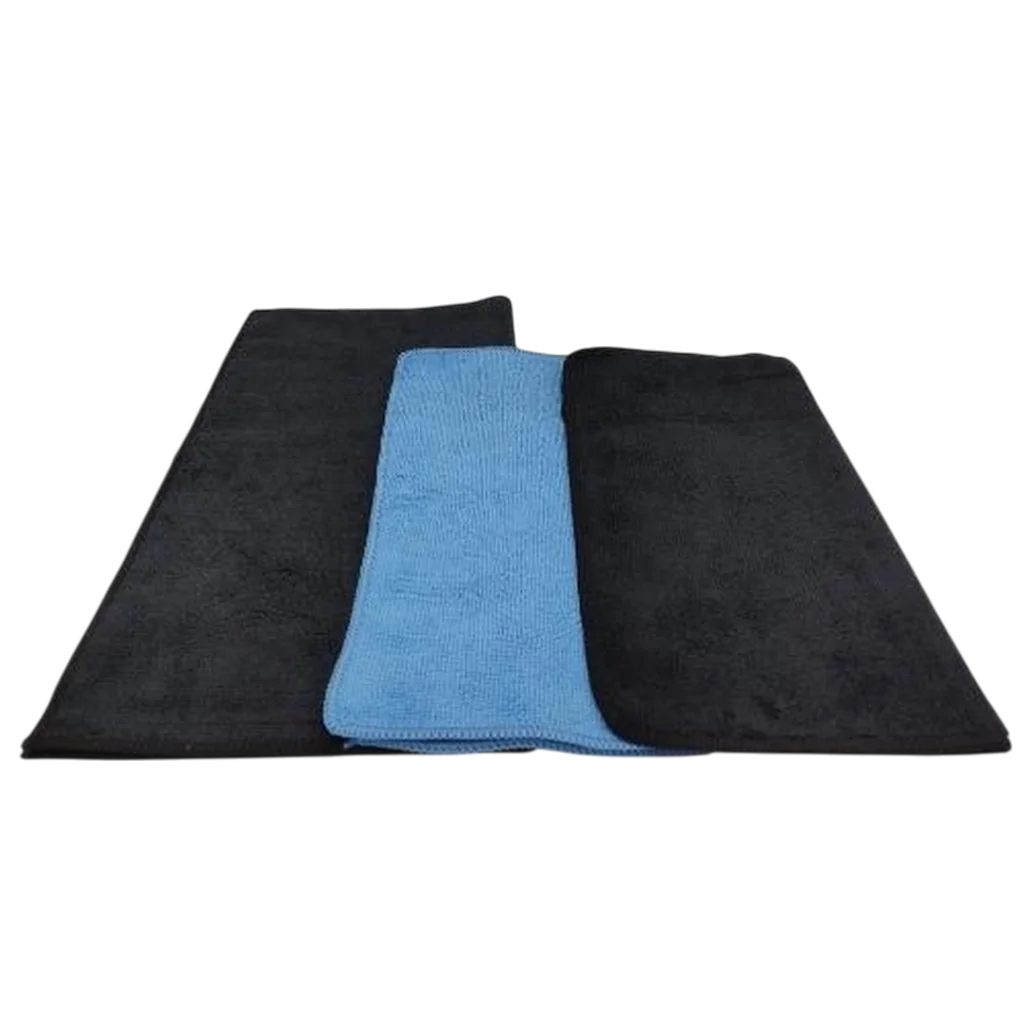
Clean work is one of the most important disciplines in making espresso. You should always rinse the portafilter thoroughly, on the one hand to preheat it, and on the other to remove old coffee grounds. After that, you need to clean out the portafilter. For example, use our Barista towels. Due to the hydrophobic properties of coffee powder, a wet portafilter can promote channeling.
Mistake 6: Using unsuitable dosing cups
Those who like working with single dosing grinders first grind into a dosing cup and then pour the coffee from there into the portafilter. Sounds trivial, but it's a step that, especially with poor dosing cups, provokes significantly more channeling than grinding directly into the portafilter.
Poor dosing cups sink completely into the portafilter and leave a crater at the rim that can't be closed back to the bottom of the basket even with the best WDT technique. There are also dosing cups that particularly promote static charge. Others have hard edges at the bottom where the cup's side walls meet the base. This shape then leaves an impression in the ground coffee, like a bundt cake mold, when it's poured into the portafilter.
This is why our KM dosing cup has a rounded bottom and sits on the portafilter with side wings, so it doesn't sink into the puck.

The KM dosing cup is available for 51mm portafilters, which are suitable for the Delonghi Dedica, for example, as well as for 58mm portafilters.
Other factors that promote channeling
When grinding coffee, the coffee particles become electrostatically charged. The coffee powder doesn't fall homogeneously into your portafilter but often forms small clumps. These are more or less pronounced depending on the grinder. The clumps can make homogeneous tamping difficult in the portafilter. If your grinder produces such large clumps, you can try to destroy the clumps by tapping the portafilter on the table surface or with a so-called WDT tool to create homogeneous coffee powder.
However, the problem with many espresso gadgets is that they need to be used correctly and adjusted well. If a leveler tool is set incorrectly or you stir too vigorously through the coffee grounds with the WDT tool, you might end up creating exactly the channels you were trying to avoid.
How WDT works
The Weiss Distribution Technique (WDT) was developed by John Weiss to dissolve coffee clumps in the portafilter and ensure even distribution before tamping. During this process, the coffee grounds are gently stirred with thin needles (0.3–0.5 mm) to avoid channeling and achieve better extraction. Ideally, the movement should be slow and steady without disturbing the coffee bed too much. WDT can be combined with the Ross Droplet Technique (RDT) to reduce static charge even during grinding. After WDT, a leveling tool can be used to level the surface and further optimize extraction.
From our perspective, a leveling tool is more of a visual tool. We've listed the most important steps to prevent channeling above.
Conclusion: The most important thing about espresso is the barista
It's very difficult to always prevent channeling 100 percent. And as we already told you in the introduction, espresso can taste delicious even with small channeling.
Moreover, you don't need expensive WDT tools, levelers, or even a minute-long "puck preparation routine." Much more important than these things is you as a confident barista.
Choose a good, solid grinder. When filling the portafilter, make sure the coffee grounds can settle well and don't form piles. Tamp straight and don't let the portafilter snap into the brew group faster than Lucky Luke can draw his Colt.
All these tips are easy to integrate into your workflow, take only a few seconds, and are completely free! Because the most important thing about brewing espresso is you as a barista!