








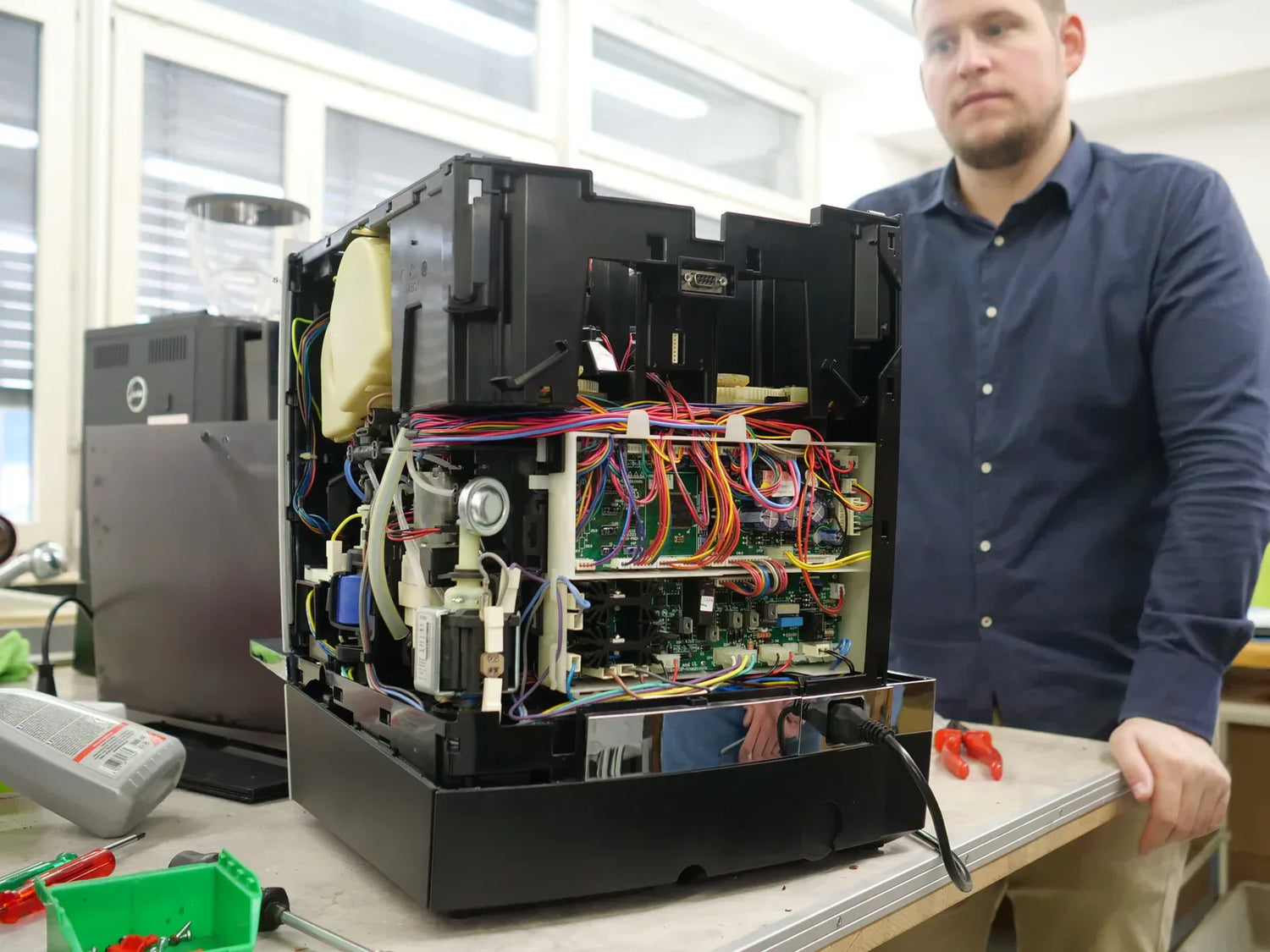

Automatic coffee machines in the gastronomy industry brew very, very often bad coffee. We all experience this regularly when we engage with them. I was surprised how much feedback of this kind reached me after my last video, in which I discuss 16 warning signs by which we can recognize "bad coffee" before we even drink it. The automatic coffee machine itself is a signal for bad coffee in the gastronomy industry—that was a widespread opinion in the comments.
I agree with you that we very often drink very bad coffee from "fully automatic coffee machines." Yet I'm also not entirely in agreement. From my perspective, we make many mistakes when using the automatic coffee machine, and it starts with the name itself. An automatic coffee machine is simply not fully automatic!
What is needed instead, what manufacturers of "automatic coffee machines" don't do well, and how gastronomy and roasters can work together to get better coffee from automatic coffee machines—that's the subject of this video.
Then one more invitation. If you run a gastro business, rely on automatic coffee machines, and want to improve your coffee quality, then apply with us for a "quick check." Michel and I will visit you, give you honest feedback, and work with you on your coffee quality. The only condition: we may document it on film and create a video that helps other gastro businesses improve their own coffee quality. You can find the application at the very bottom of the page.
Automatic coffee machines are not fully automatic
Automatic coffee machines have much greater potential to brew good coffee than we experience day after day in gastronomy and perhaps also at home or in the office. I think this is due to a fundamental mistake that is already evident in the naming.
Automatic coffee machines do not automatically make good coffee. While this marketing claim is a good idea, it doesn't match reality. We've gotten used to it, and I myself use the term in the video description so that you can find my article and video in the search. But so-called automatic coffee machines are not fully automatic machines.
The best way to name coffee machine types seems to me to be based on the manner and location of the brewing process. Portafilter espresso machines make coffee in the portafilter, which is why we call them portafilter machines. Capsule coffee machines brew in the capsule, which is why we precisely call them capsule machines, and the same applies to filter coffee machines and pod machines. So-called automatic coffee machines are, by this definition, piston coffee machines.
(No, portafilter machines are not piston coffee machines. Hand levers do have a piston, that's correct, but I would call them portafilter machines with hand lever according to the definition proposed here.)

Comments under the video 16 warning signs for bad coffee in the gastronomy industry.
Taking responsibility for coffee quality
In recent years, we have consulted with many gastro businesses, worked closely with manufacturers of automatic coffee machines, and made numerous visits to gastro operations.
In doing so, I've noticed two phenomena in how gastro machines are handled. Both often occur together or alternate with each other.
Nobody is responsible
A lot of money has been invested in a professional gastro automatic machine—quickly 10,000 to 25,000 euros or francs. Now the machine is supposed to deliver. Perhaps it's equipped with good beans, but more likely with cheap ones, and then the machine is supposed to automatically brew good coffee. Nobody really gets involved and takes responsibility. The gastro owner might not work with a roaster at all, but instead buys coffee from a wholesaler. And they're not particularly interested in the subject matter.
The drinks need to flow, it needs to be quick, and the coffee machine was procured as a "fully automatic" machine in order to not have to think about it any further. In such a setting, the service technicians and technicians from the machine manufacturer also don't demand the extra mile or fine-tuning (which they rarely offer on their own anyway).
It's the others' fault
Another phenomenon is pointing the finger at others. The service technicians blame the roasters, the roaster blames the technician. Moreover, both believe the cleaning by the gastro business is not done carefully. Everyone points the finger at each other and nobody takes the lead.
Likely the gastro owner lacks understanding of coffee relationships, the roaster doesn't know all piston machines themselves, and the technician is not sensorially trained. This constellation is always problematic and leaves many gastro owners uncertain.
Then the focus is rather placed on something else and the coffee remains bad.
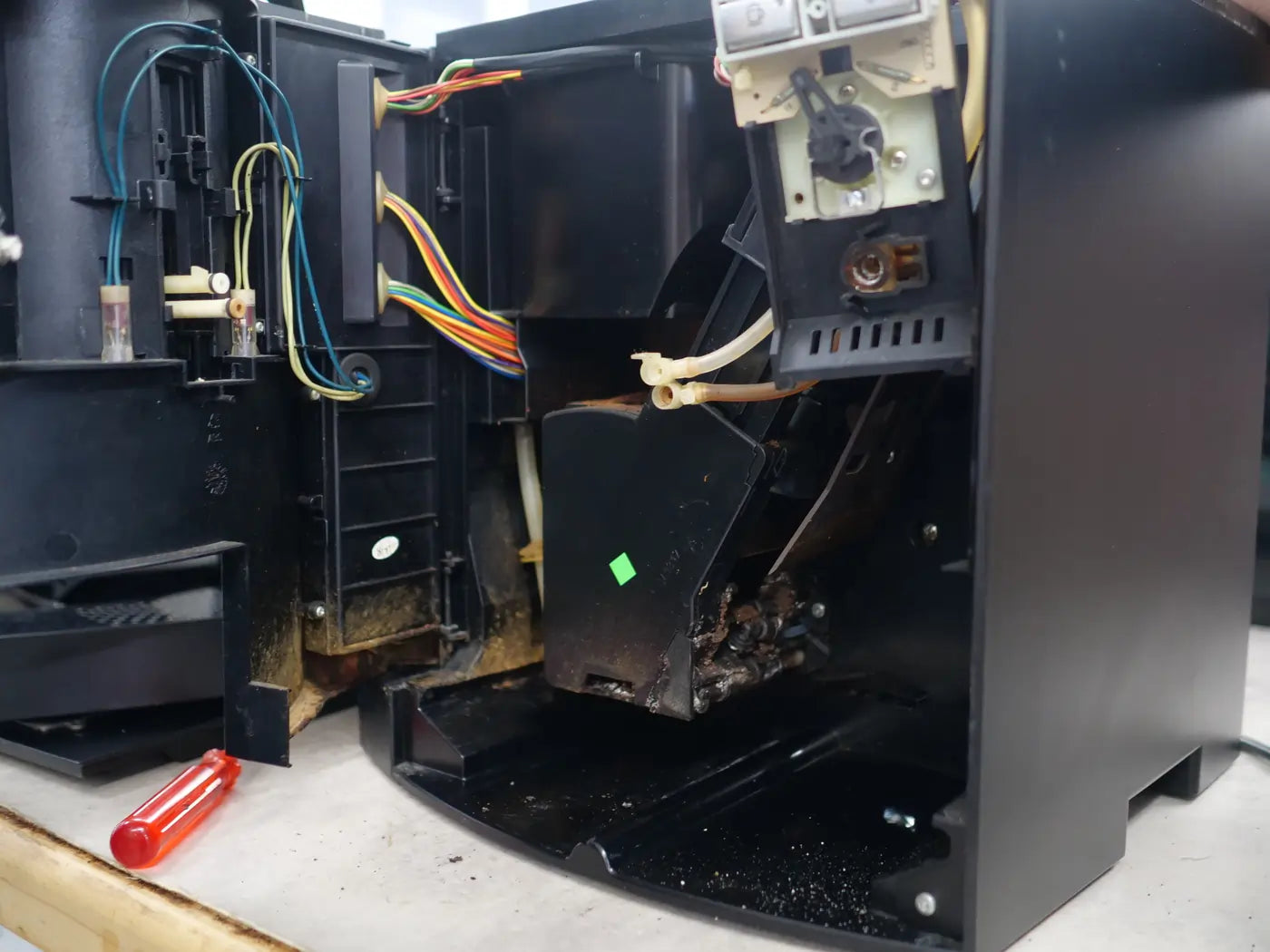
Good coffee from the piston coffee machine
But the potential for very good coffee from the so-called automatic coffee machine is there. I have not only drunk very, very good long coffees but also excellent espressos from the automatic machine.
Some of these coffees would not have needed to hide from any portafilter espresso machine in the world. But such a machine setting is not a foregone conclusion.
Prerequisites are:
- Basic sensory training for a coffee-responsible person in the operation
- Purchase of a good automatic coffee machine
- Use of good coffee beans
- Drink definition by the coffee-responsible person together with the roaster
- Implementation of the definition on the machine together with the machine manufacturer
- Development of a quality control protocol for daily and weekly checks of the machine, the coffee blend, the drinks
- Establishment of continuous improvement processes with a focus on coffee
Sounds complicated?
Yes, it does. The time investment for defining and setting up the machine is realistically one to two days, plus a sensory course at the roaster or at a coffee school. I recommend this to gastro businesses anyway so that they can confidently interact with roasters and coffee machine manufacturers. A good vocabulary for describing coffee makes it easier later to develop drink definitions.
Is an automatic machine worth this much effort?
Of course! At least where people have the choice to alternatively drink coffee at home or at the business next door. That's why we'll probably drink bad coffee in trains, airplanes, and prisons for a very long time to come.
But if there is a choice, then the quality improvements triggered by the measures mentioned above will significantly increase revenue. And that leads sooner rather than later to the investments being amortized (at least if the gastro business functions overall).
It should not be underestimated that many cities are coffee deserts. Very bad coffee is prepared, which the many comments under my video about 16 warning signs for bad coffee in the gastronomy industry have made even clearer.
It's almost absurd, but with really good coffee, gastro businesses can positively distinguish themselves from the mass of other businesses.
Invitation: we'll accompany you!
For a time, we supported gastro businesses in improving their coffee quality. To be honest: it exhausted us, and the low interest in coffee and the real willingness of many businesses to tackle structural improvements led us to no longer offer this as a consulting service. On the other hand, there are so many interested home baristas who are willing to go the extra mile for good coffee. That brings us much more joy!
But here we want to open the window once more.
We're looking for a gastro business that's serious about it.
The prerequisites:
- you're aware that your coffee—diplomatically speaking—has a lot of room for improvement.
- you have a piston coffee machine (automatic coffee machine).
- you want to learn and are open and interested in working with us on your drinks, setups, etc.
- you're open to us filming your visit and creating a video about it.
Then apply with us. Michel and Benjamin will visit you, work with you, and together we'll get everything we can out of your setup.
There are no costs for you; you just have to invest the time as well.
We look forward to your application. We reserve the right to visit various companies and businesses depending on where applications come from and how many businesses apply.