


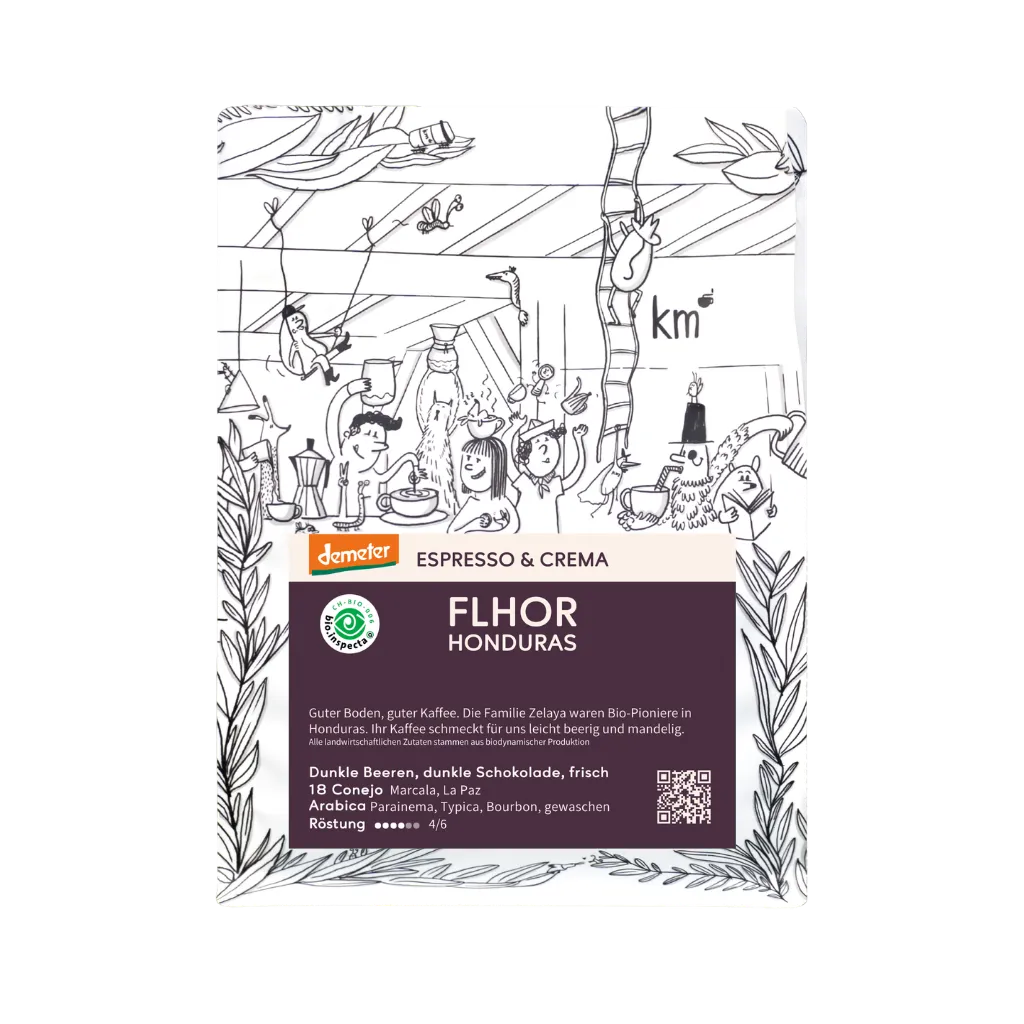

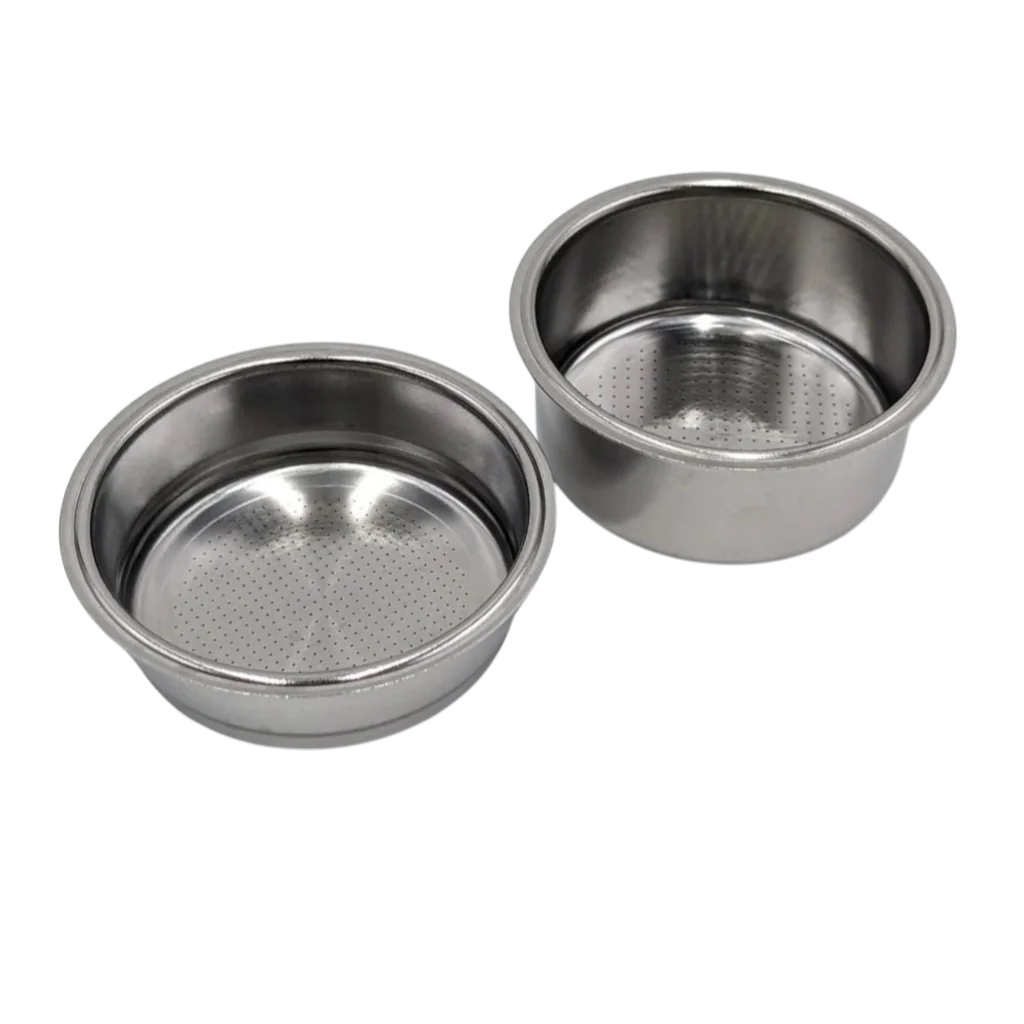
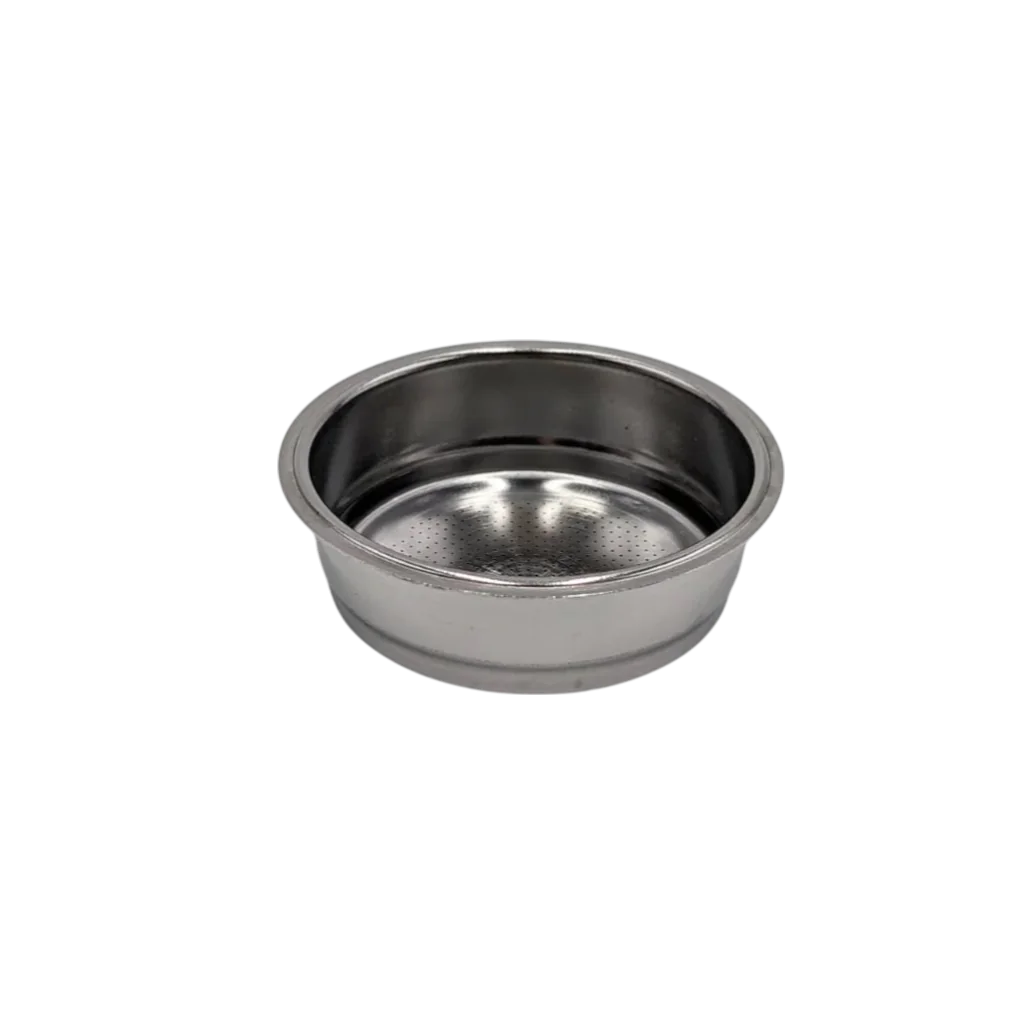
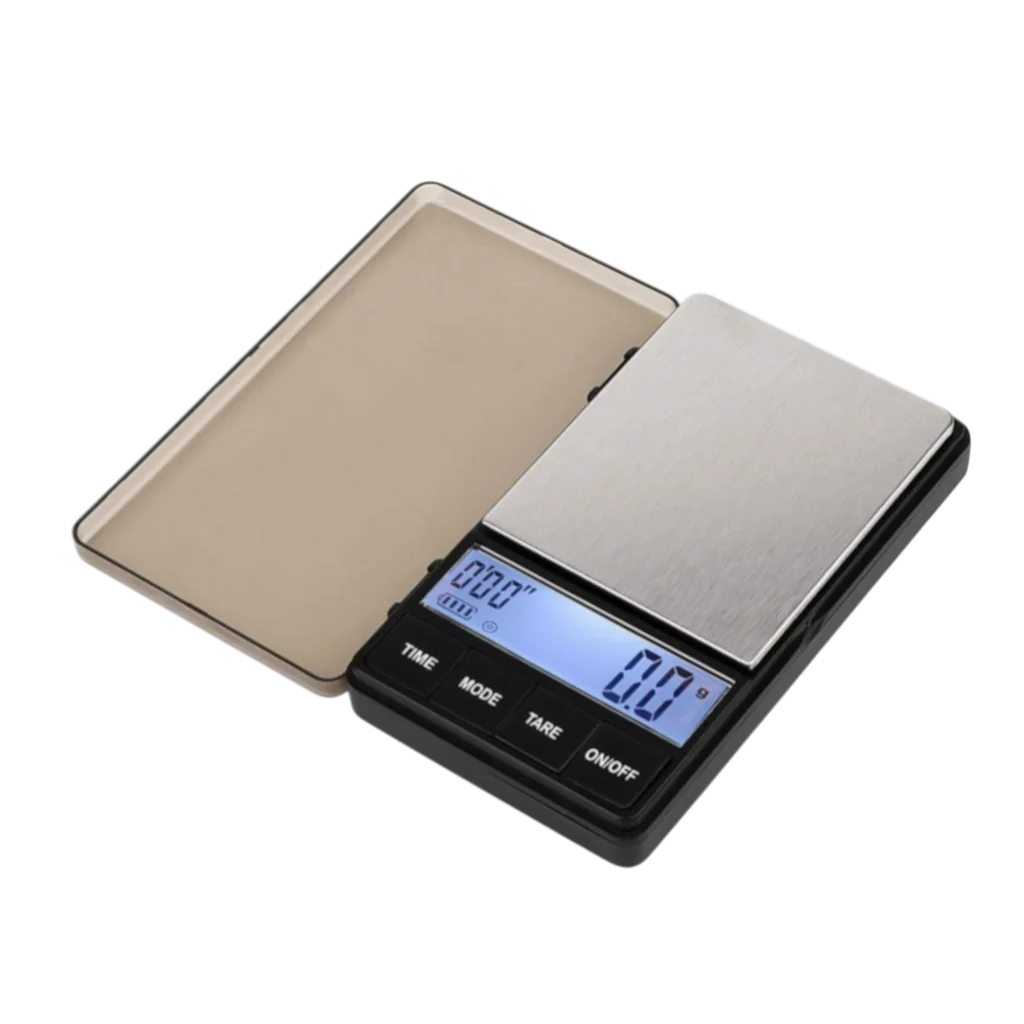
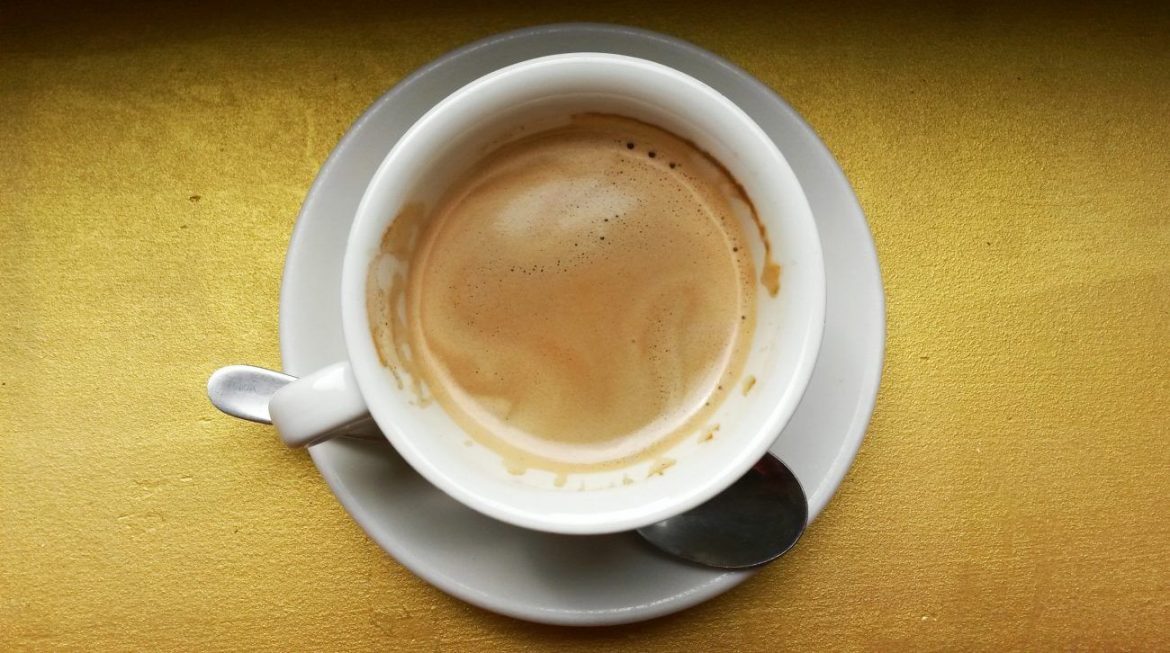

Café crème is the most consumed coffee drink in Switzerland. It is therefore surprising how little discussion takes place about this central beverage. Every barista can rattle off recipes for espresso and filter coffee from the wrist, but stammers when it comes to café crème. Since 2015, we have been advocating for a quality discussion on the subject of café crème. In this article, we collect recipes, document a consumer tasting that we conducted with the Swiss coffee association Cafetiersuisse, and work out a brief history of café crème.
Café crème Recipe
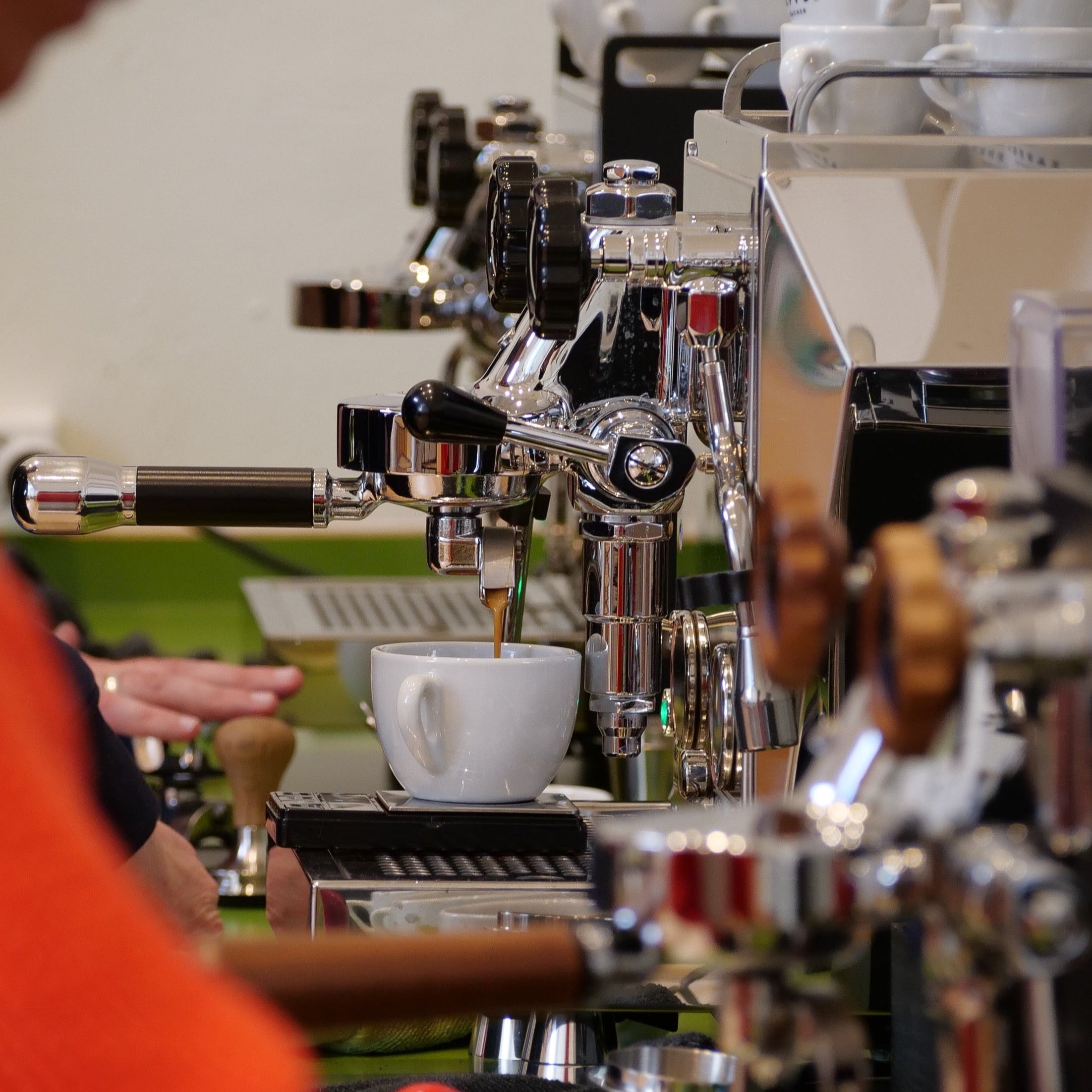
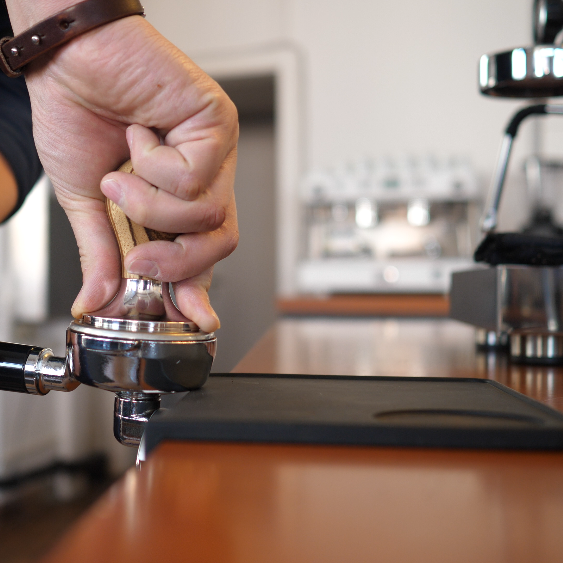
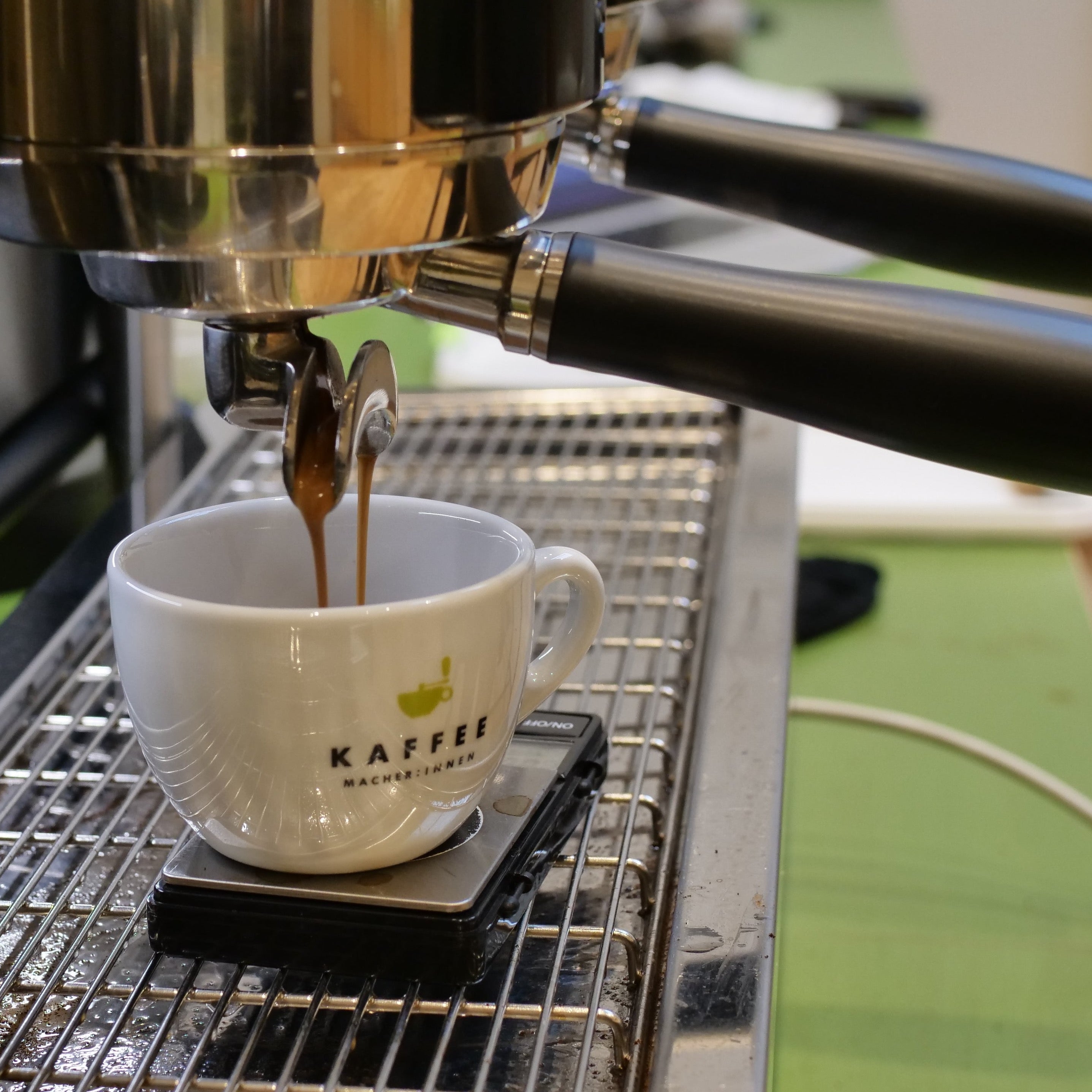
The best café crème can be brewed with an espresso machine if a separate grinder is used for it. With the double portafilter, 12 – 15 grams of coffee are used. The grind size is coarser than when preparing an espresso. It is then brewed in approximately 25 – 30 seconds at a ratio of 1:10. When using 12 g, approximately 120 g of café crème is brewed, when using 15 g up to 150 g. The grind size should be chosen so that sufficient resistance is created so that the brewing water cannot flow through the coffee puck faster than in 25 seconds.
Attention: some espresso machines are limited in flow by their flowmeter. They cannot deliver hot water fast enough in sufficient quantities. With such espresso machines, brewing a Cafe Americano is the better choice.
Consumer Tasting of Café crème
Habitually, the café crème is a long coffee drink from the automatic coffee machine, sometimes diluted with cream and balanced. See below for the history of café crème. In 2015, in cooperation with the Swiss coffee association CafetierSuisse, we wanted to find out which café crème tastes best to consumers. To do this, we invited consumers, restaurateurs, and coffee sensory experts. A total of 40 participants blind tasted five different café crèmes on Coffee Day at Kaufleuten under the patronage of CafetierSuisse.
Context of the Tasting
Of course, both semi-automatic espresso machines and fully automatic coffee machines are fundamentally technically capable of brewing an outstanding café crème/nature. However, if you compare the two best brewing recipes from the tasting with the recipes typically used in the restaurant industry, these differ significantly. And another interesting detail: the better the café nature is, the less coffee cream improves it. The tasting conducted by CafetierSuisse in cooperation with the coffee makers clearly demonstrated this as well.
Experimental Setup
The coffees were brewed with different brewing ratios and machines. In particular, the ratio of water to coffee was varied. The grind size was chosen so that all drinks were brewed in 25 to 30 seconds. Participants rated the taste, body/mouthfeel, aftertaste, and an overall impression (See tasting questions in the box).
After tasting the pure coffee, coffee cream was added to each cup. The consumers were then asked again whether the coffee had improved or worsened in their perception.
The Criteria of Taste Evaluation – What We Asked
- Taste: How do you rate the taste of the coffee? Please consider both the aroma and the flavor notes as well as the balance between sweetness and acidity.
- Body/Mouthfeel: How does the coffee fill your mouth? Is it rather watery (rated lower) or thicker (rated higher)?
- Aftertaste: What remains of the taste and body of the coffee? If bitterness or acidity dominates the aftertaste and causes an unpleasant pucker (astringent), rate it lower. Is the aftertaste pleasant (rate higher)?
- Overall Impression: How do you rate this café crème considering your assessment of taste, body, and mouthfeel?
- Each on a scale of 1 – 10.
The Results of the Tasting
The results of the tasting are revealing in many respects. While cups 3 and 4 were liked by most participants, cups 1, 2, and 5 fell significantly short.
Cup #3 – the Winner of the Day
The day's victory goes to cup 3 (6.4 points). Brewed with 15 g coffee and a drink volume of 115 grams, it is also the strongest cup. It was described in the tasting sheet as well-balanced and aromatic. The consistency is characterized as full, soft, and pleasant. The testers also agree on the cream. Two-thirds of the test subjects found cup number 3 better when no cream was added. For the record: the strength of this coffee is 2.4% TDS. This means that this coffee consists of 2.4% dissolved coffee solids in relation to 97.6% (see for explanation TDS and strength article "The Potential in the Bean", cafetiersuiss/Hohlmann, 21.4. 2016).
| Cup 1 | Cup 2 | Cup 3 | Cup 4 |
Cup 5 |
|
| Coffee amount in g | 9 | 9 | 15 | 13 | 11 |
| Drink amount in g | 115 | 110 | 115 | 125 | 125 |
| Measured TDS |
1.2 | 1.53 | 2.4 | 1.8 | 1.45 |
| Calculated Extraction |
17.25 | 19.38 | 20.43 | 18.23 | 17.07 |
Cup 4 – Very Good in Second Place
(6.2 points). With 13 grams of coffee and a drink volume of 125 ml and a TDS of 1.8, this coffee is the second strongest in the field. The coffee was described as pleasant, rounded with slight acidity and bitterness. Some liked the body, while others perceived it as somewhat too watery.
Cup #1, #2, and #5 – Thin, Flat, and Boring
Three cups came to very similar results. Cup #1 (4.7), Cup #2 (4.6), Cup #5 (4.8) were described as watery, tea-like, flat, and boring. They were all particularly lacking in quality regarding body and mouthfeel (4.0). Furthermore, they share another characteristic. While in cup #3, the best cup in the tasting, 68% of test subjects found the coffee better without coffee cream, the ratio is reversed on average for cups #1, #2, and #5. 65% of participants found cup #2 to taste better with coffee cream, and even 82% of testers rated body and mouthfeel better with cream.
Summary, Conclusion, and Recommendations
Looking at the brewing ratios and ratings of the best and worst cups, the conclusions are evident. The coffees that were rated best were those brewed with 13 and 15 grams in approximately 120 ml of water, which were dosed highest on the one hand and had the highest strength on the other, meaning the highest value of dissolved coffee solids. The best cup reaches 2.4% TDS.
The poorer cups, which averaged a TDS of 1.39, were penalized in the rating. They were not balanced in taste and the body in particular was rated poorly.
An explanation for this is obvious. These coffees were positioned in the middle of the filter coffee range (1.2 – 1.5 TDS) in their water-to-coffee ratio. However, for a filter coffee, they were sensorially too underdeveloped, and especially the guest's expectation that they were consuming a café nature/crème disturbed the impression. The best coffee, with a TDS of 2.4, on the other hand, clearly distanced itself from filter coffee while still maintaining sufficient distance from espresso, which serves the upper range in terms of strength (7 – 12% TDS).
Interesting in this context: The Moka pot also brews at a TDS of approximately 3–4%, in a similar strength range as the best café crème. For those who do not own an espresso machine, it is an accessible alternative with surprisingly high drink strength.
It therefore seems advisable to place café nature deliberately more strongly dosed in a higher strength range so that it clearly differentiates itself downward from filter coffee. Here lie real opportunities for quality improvement of the product in the sense of the article "Café crème, what is it really?" (CaféBistro 2016-4, p. 6-7).
The restaurant industry must adjust significantly and use more coffee per café nature. With fully automatic coffee machines, this is possible with some models depending on the size of the brewing chamber. With semi-automatic coffee machines, the café nature would have to be brewed with the double portafilter. It would therefore no longer be possible to brew two café natures with one portafilter holder at the same time. This would certainly slow down the workflow. However, the result in the cup could justify it.
Café nature and café crème offer great possibilities. Especially since it is treated like a stepchild in many places in the restaurant industry, you can easily and clearly differentiate yourself in the coffee market and with guests through targeted quality improvement.
History of Café crème
"A café crème is a coffee from the fully automatic coffee machine. It includes crème or coffee cream, or at least milk, as the second part of the name suggests," explains Michel Aeschbacher, vice barista master and co-owner of the "Showrösterei" in Aarwangen.
"The crema is also characteristic of café crème, which already distinguishes it visually from filter coffee," adds Prof. Chahan Yeretzian, who researches coffee at ZHAW in Wädenswil. "The crema is created by a foam nozzle that is unique to fully automatic coffee machines."
When tracing the origin of café crème and its naming, these two interpretations keep resurfacing. What both interpretations have in common is that the history of café crème is directly linked to the history of the fully automatic coffee machine in Switzerland.
From Muba to the World
Strictly speaking, it is a success story that began in 1985 with the introduction of the first fully automatic coffee machine for home use at the Muba. Inventor Arthur Schmed created a machine that was the first to be able to perform a complete brewing process from grinding to finished coffee at the push of a button while fitting into a home kitchen. Under the label of the company Solis, this coffee machine received 5,000 orders at the MUBA alone. This created the counterpart to the first restaurant machines, which had been developed and tested by Schaerer, Rex-Royal, and Egro for around 15 years at that time.
This coffee machine was a major achievement: it reduced the effort of coffee preparation to the push of a button and at the same time introduced a completely new coffee drink to the market. The coffee was brewed using high pressure in a brewing chamber with brewing times of up to 35 seconds (depending on the model, brewing method, etc.) and an average drink volume of 120 to 220 ml. Particularly interesting is the sensory result. The extracted coffee differed especially in mouthfeel and body from the filter coffee that was familiar. It was noticeably more intense than filter coffee yet sensorially more related to filter coffee than to the compact and thick espresso from the last Italian vacation, which was slowly but surely arriving in Switzerland as well.
A Success Story Begins
The new coffee drink quickly found great approval. Word spread about which Swiss rest stops had "push-button coffee" instead of filter coffee, and truck drivers became the first brand ambassadors. Numerous coffee machine manufacturers anticipated the need and began developing new brewing units, hot water systems, etc.
To note: The push-button coffee was revolutionary, the machine ingenious, but the coffee was certainly not good at first. The coffee machines were not yet mature and the brewing temperature was not stable enough. The thermal conditions inside the machine, which also housed the grinder, had to go through several developments. The result was bitter coffee and also the occasional cup with unpleasant acidity. The solution in both cases was called: crème or coffee cream, usually ultra-high-temperature milk with at least 10% fat content that does not curdle when it comes into contact with the acid of the coffee thanks to stabilizers. Crème has the property of balancing bitterness and acidity and contributing to a full, viscous drink. Café crème was born and began its triumphant advance among Swiss coffee drinks.
On average, 1/3 of all coffees consumed in the restaurant industry in 2015 were café crèmes. Depending on the business and customer structure, cappuccino and espresso follow. At Hiltl in Zurich, approximately 32% café crème is brewed, at the coffee house business center in Basel 27%. And while café crème became Switzerland's most important coffee drink, Switzerland has long been the world market leader in the manufacture of fully automatic coffee machines. Thermoplan supplies Starbucks locations around the world from Weggis, Schaerer assembles coffee machines for Dunkin' Donuts in Zuchwil. Coffee from Swiss coffee machines is distributed worldwide thanks to Franke Coffee Systems (Aarburg), Egro Coffee Systems (Niederrohrdorf), Jura (Niederbuchsiten), Saeco (Oensingen), Cafina AG (Hunzenschwil), HGZ (Zurich), Eugster/Frismag (Amriswil), Nespresso (Paudex), Solis (Glattbrugg), and Eversys (Ardon). Within just 40 years, Swiss-made has become as inseparably linked with fully automatic coffee machines as espresso machines traditionally come from Italy.
But while coffee machines have continued to develop and today can brew very different café crèmes, qualitative engagement with the product café crème has stalled. Instead of continuing to research café crème and define brewing recipes, resourceful café restaurateurs discovered the Italian charm, and espresso became the cult drink.
In the late 90s, Spettacolo began to expand and the cult Caffè Bar Adrianos was created in Bern. Anyone who wanted to celebrate coffee installed semi-automatic Italian espresso machines. Online forums emerged where coffee enthusiasts from the restaurant industry exchanged ideas with a growing home barista community about brewing recipes, tampers, and temperature retention:// stability. And in 2000, Swiss SCAE held the first Swiss barista championship. Giovanni Meola won, of course on
a semi-automatic espresso machine.
The Market is More Diffuse Than Ever
Sixteen years later, the market is more diffuse than ever. New cafés open with espresso machines and wonder why the inexpensive coffee machine doesn't automatically spit out perfect coffee. Capsule coffee machines encroach on fully automatic piston coffee machines and promise even more automation and better quality thanks to capsule preservation. And fully automatic piston coffee machines are now standardly equipped with milk frother nozzles and promise latte art and the barista in the machine.
Meanwhile, the consumer has become accustomed to the wide range of drinks and orders café crème at the Italian place and an espresso at the bar equipped with a fully automatic piston coffee machine. The technological state of new automatic coffee machines offers everything needed to brew good espresso. It's just that "automatic" is misleading: Especially a coffee machine that is supposed to brew fully automatically requires very good initial adjustment and regular
fine-tuning.
A Grinder Is Always a Compromise
When ordering a Café Crème in a café with an espresso machine, "lungos" were brewed for a long time. The same grinder and the same grind size used for espresso were used. With this ground coffee, the increased water volume was now forced through, which led to a very bitter coffee drink due to increased extraction. Wanting to prepare two different types of drinks with one grinder setting always ends in a compromise. Either the espresso is watery, or the lungo is very bitter. For about 5 years, the trend toward a second grinder has been a welcome development. With a coarser grind size than espresso, water can flow through the ground coffee more quickly. Over-extraction is thus more easily prevented.
Time for Perfect Café crème
Fully automatic piston coffee machines are more precisely controllable than ever before. Next to the semi-automatic espresso machine stands a second grinder. These are the perfect tools for brewing excellent café crème. There is only one thing missing, here as there. Qualitative engagement with this exciting drink. We should start discussing how to prepare a perfect café crème. The way Italians have done it with espresso for decades. We should begin collecting data on the ratio of water to coffee in which we brew café crème, at which water temperatures and with which extraction times. At what TDS does café crème taste particularly delicious and what extraction rate is appropriate (see also article by Benjamin Hohlmann, Café-Bistro 2016-2)? Which coffee varieties and roast profiles work well?
With our fully automatic coffee machines, we are now as present in the global market as Italian espresso machines. This puts us in a position to pit our most important national coffee specialty, café crème, against espresso in the same weight class.
The potential is enormous. Only one thing is in danger. The second part of the name. Because the better the café crème becomes, the more balanced it is in itself. And the sooner we can in good conscience do without the crème.