






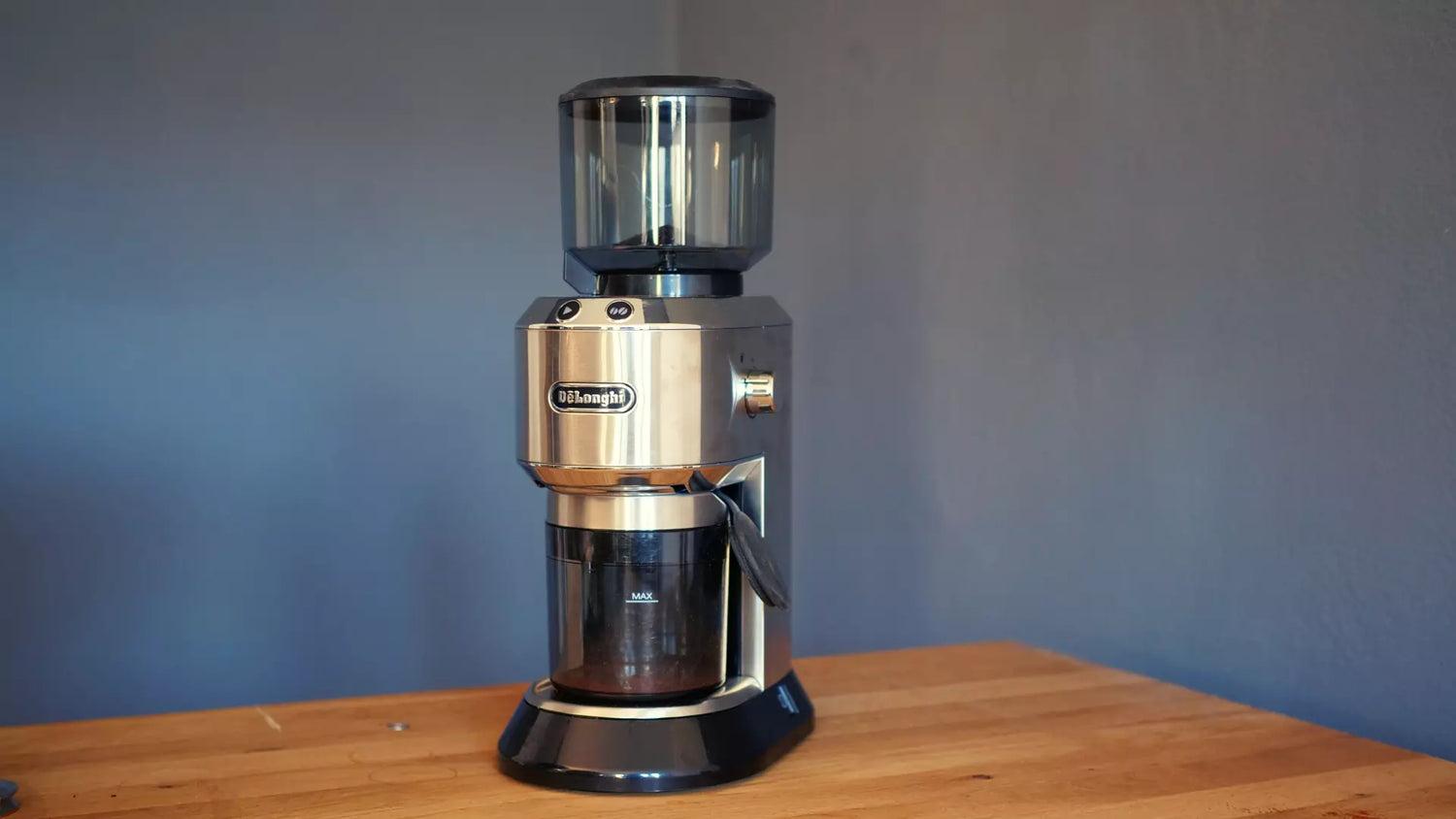

If you're looking for the best espresso grinder to start your journey into the world of espresso, there's no way around the Delonghi KG521. The coffee grinder is already available in Switzerland from 120 francs and is offered in Germany from 140 €. This makes the Delonghi KG521 one of the affordable grinders in our large espresso grinder comparison.
But affordable often has its limits, and with grinders at the lower end of the price scale, the limit often shows up in the grind size. Many grinders advertised as espresso grinders don't grind fine enough and therefore only deserve the stamp "coffee grinder" and not "espresso grinder".
How does the Delonghi KG521 perform here, which is traded as the logical counterpart to the entry-level espresso machine Delonghi Dedica EC685? We cover this and much more in our espresso grinder test and coffee video. And of course, we also provide important tips and tricks to get the most out of your grinder.
The limits of grind size
Let's not beat around the bush - or should we say - the too coarse coffee powder?! The Delonghi KG521 doesn't grind many coffees fine enough!
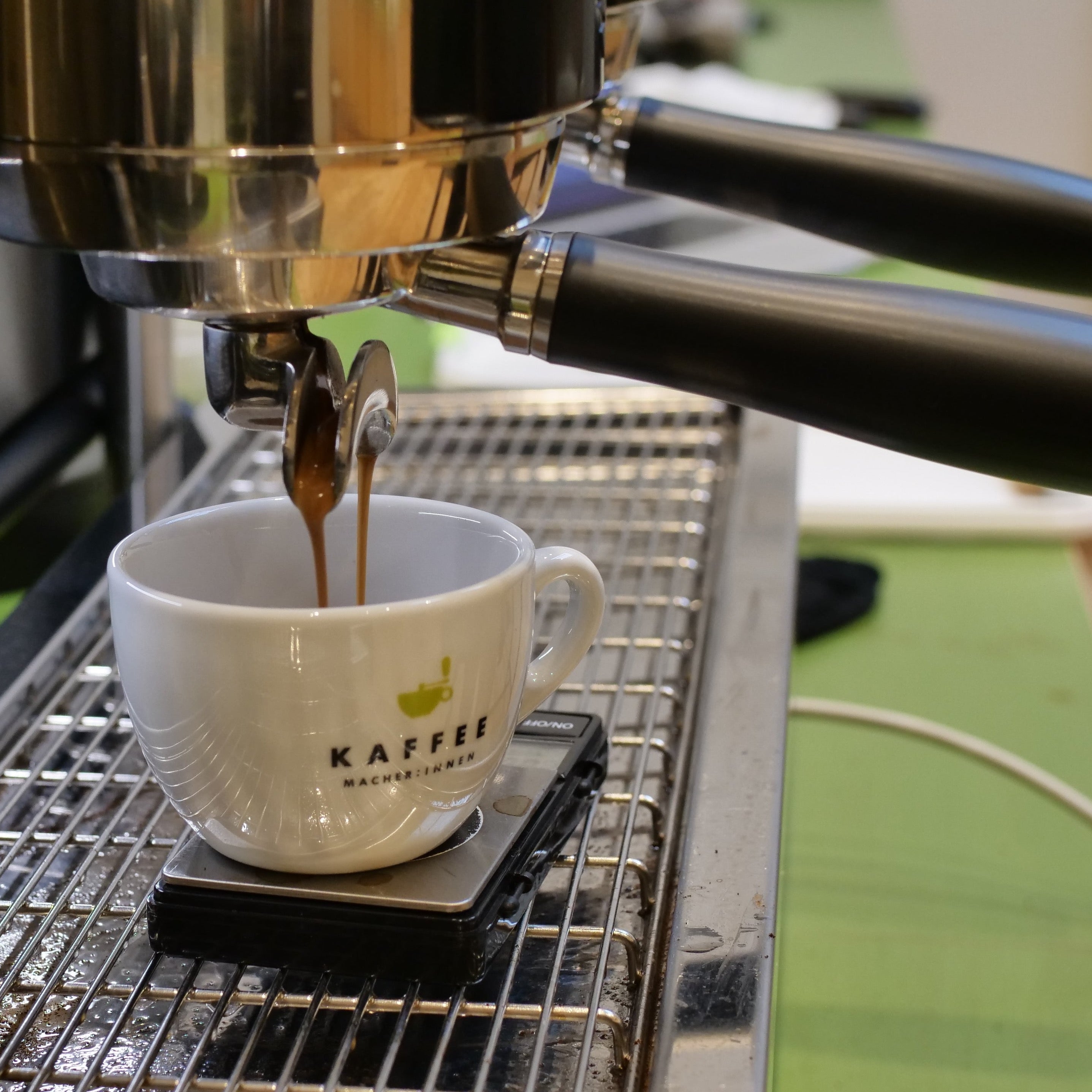
What does not fine enough mean? A typical espresso requires a brew time of 25 seconds. Many coffees should even be brewed longer to achieve the best possible grind size.
We ultimately tried three different coffees and never managed to achieve an extraction time longer than 19 seconds. Sometimes the coffee shot into the cup in under 15 seconds. Is that bad? Well, it tastes like it. Such a short extraction time results in a strongly emphasized, unpleasant acidity in taste. In technical terms, a quick pour is also called under-extraction.
And overdosing didn't help either. A higher dose, e.g. 19 grams of coffee instead of 18, increases resistance - but didn't help us here. With our grind size setting, we were already at the finest possible grind size of the espresso grinder.
In other words: the Delonghi KG521 failed as an espresso grinder in its basic configuration.
Tricks, reasons, and options
The question remains why the Delonghi KG521 is still popular with espresso beginners. There's a reason for that! The grinder is sold as a counterpart to the Delonghi Dedica EC685. We also find this small espresso machine interesting. So far, we haven't found a better, cheaper espresso machine that we can recommend for getting started.
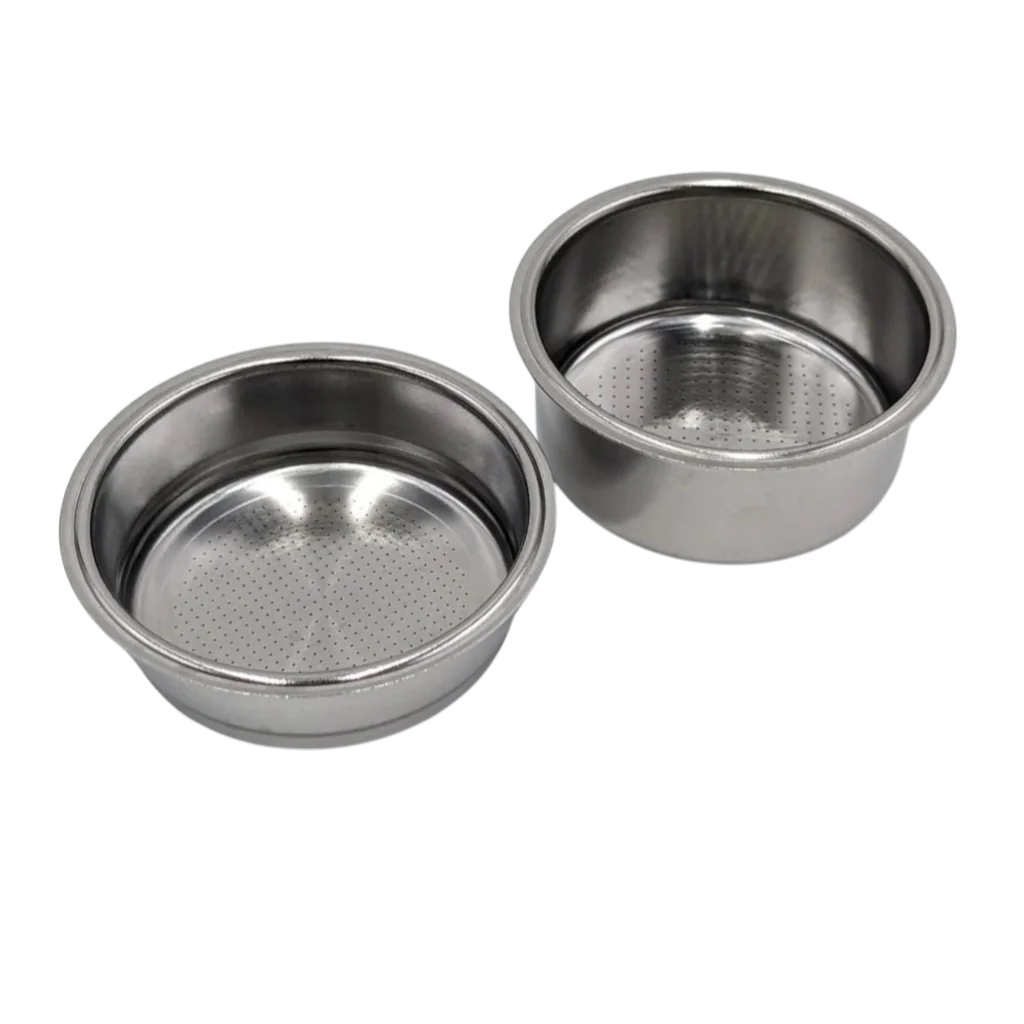
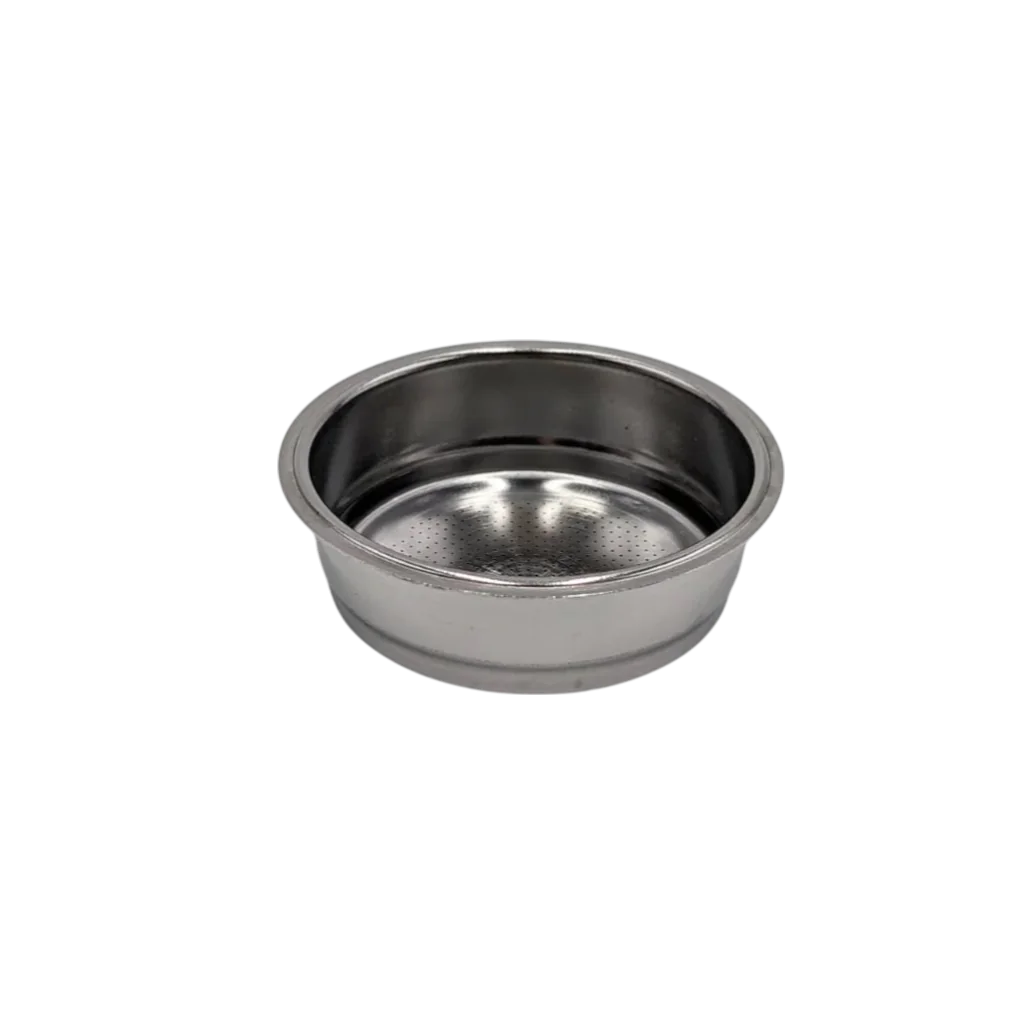
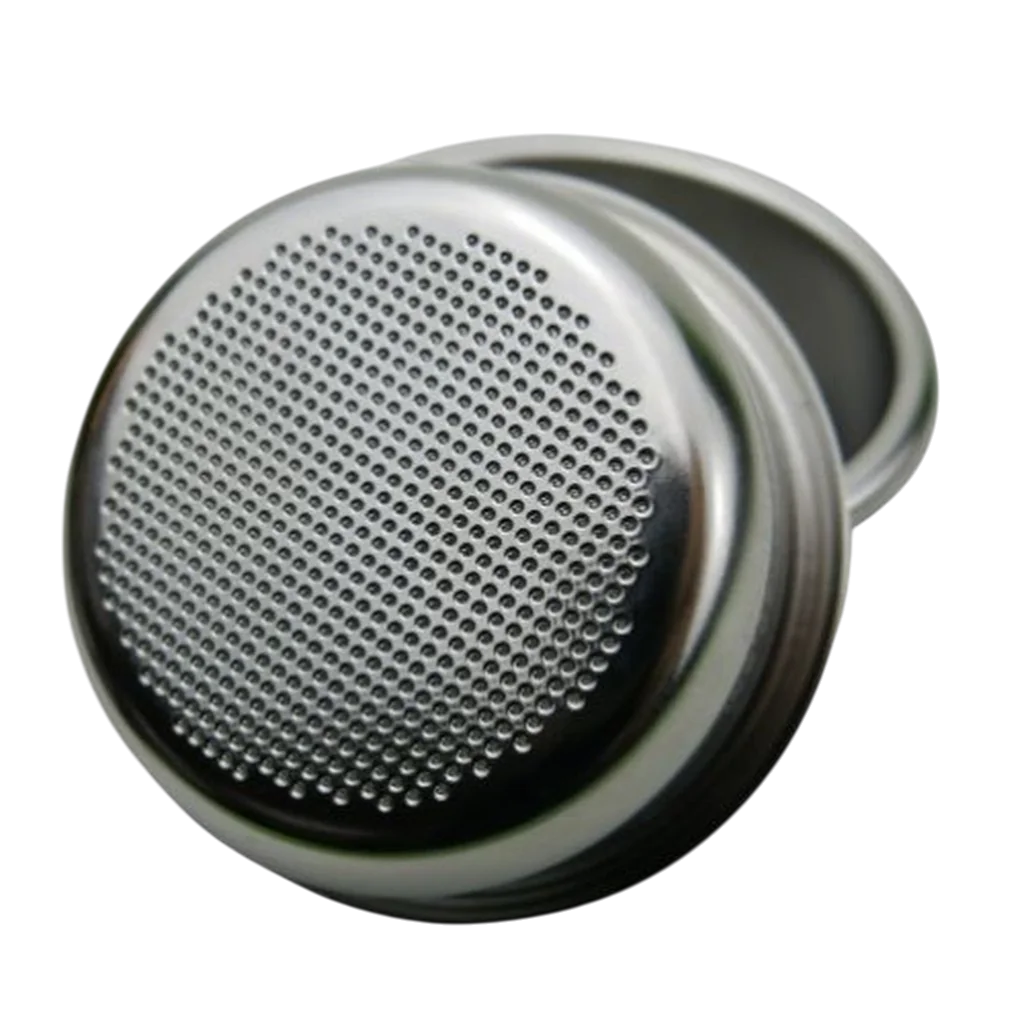
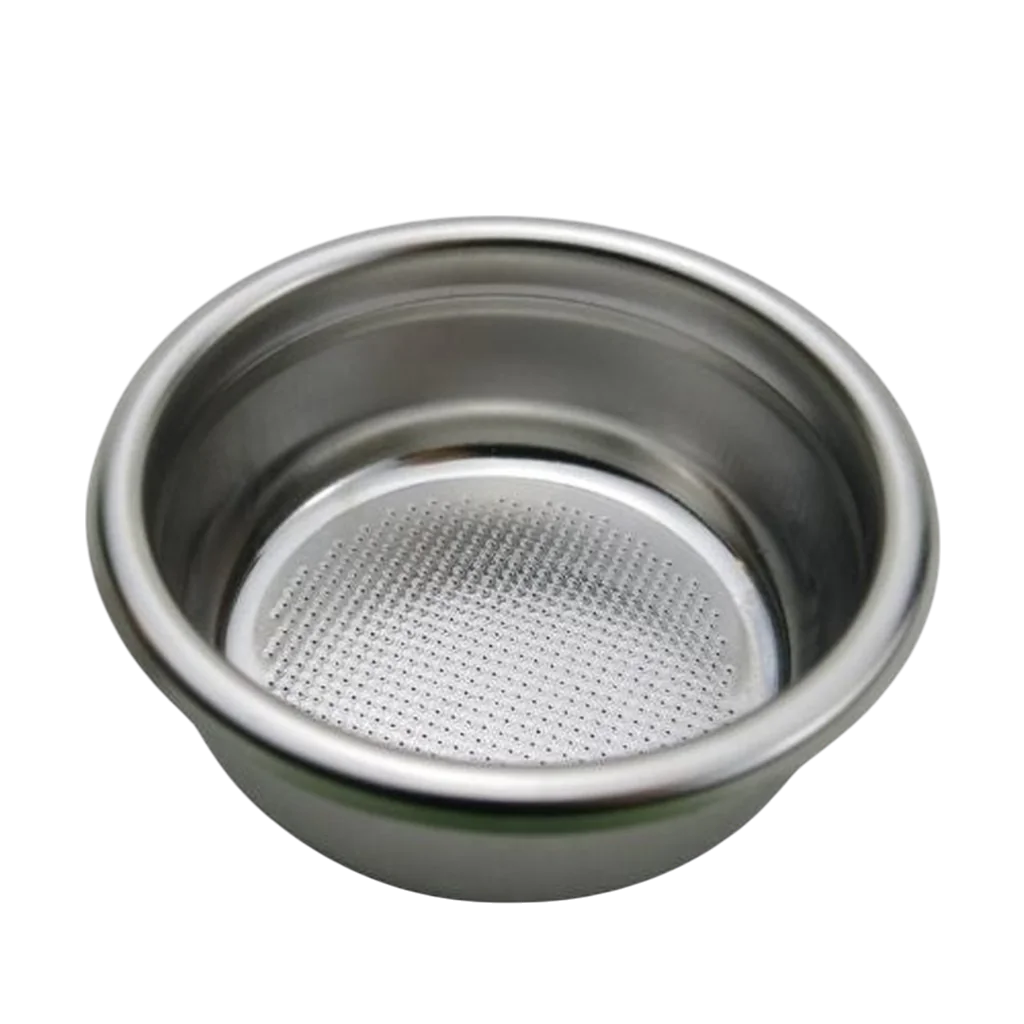
The Delonghi Dedica EC685 comes with a double-walled portafilter basket. The basket itself provides the resistance that in classic baskets and espresso machines is created by the particle distribution of the coffee powder. The entire espresso has to press through a tiny hole in these "fake baskets".

The basic idea of these baskets is to be able to prepare bad, old, or pre-ground coffee and still build up espresso crema through the excessive artificial pressure. These baskets do their job, but are not suitable for brewing really good espresso. We've dedicated a video to the Delonghi Dedica upgrade.
The Delonghi KG521 coffee grinder alone doesn't achieve an espresso grind. But with the help of the double-walled basket, you can create a slow extraction that looks like the espresso is well-dialed in. But this trick only works for the clock and the eye. Bad still tastes bad.
So we recommend a different trick. For once, we don't go deeper but higher.
Tuning the grind mechanism - raising the cone
The Delonghi Dedica is a coffee grinder with a conical burr. A lower cone protrudes into an upper grinding ring. The higher the cone protrudes into the ring, the finer the grind size. To reduce the distance, we install a washer under the lower cone. We assume no liability if you rebuild this modification. Modifications are made at your own risk and may result in a loss of warranty for your espresso grinder.
First, we remove the bean hopper after the remaining beans have been ground. The Delonghi KG521 is disconnected from power. The grind size is set to coarse - this allows the upper cone to be removed as if for cleaning (see grinder manual).
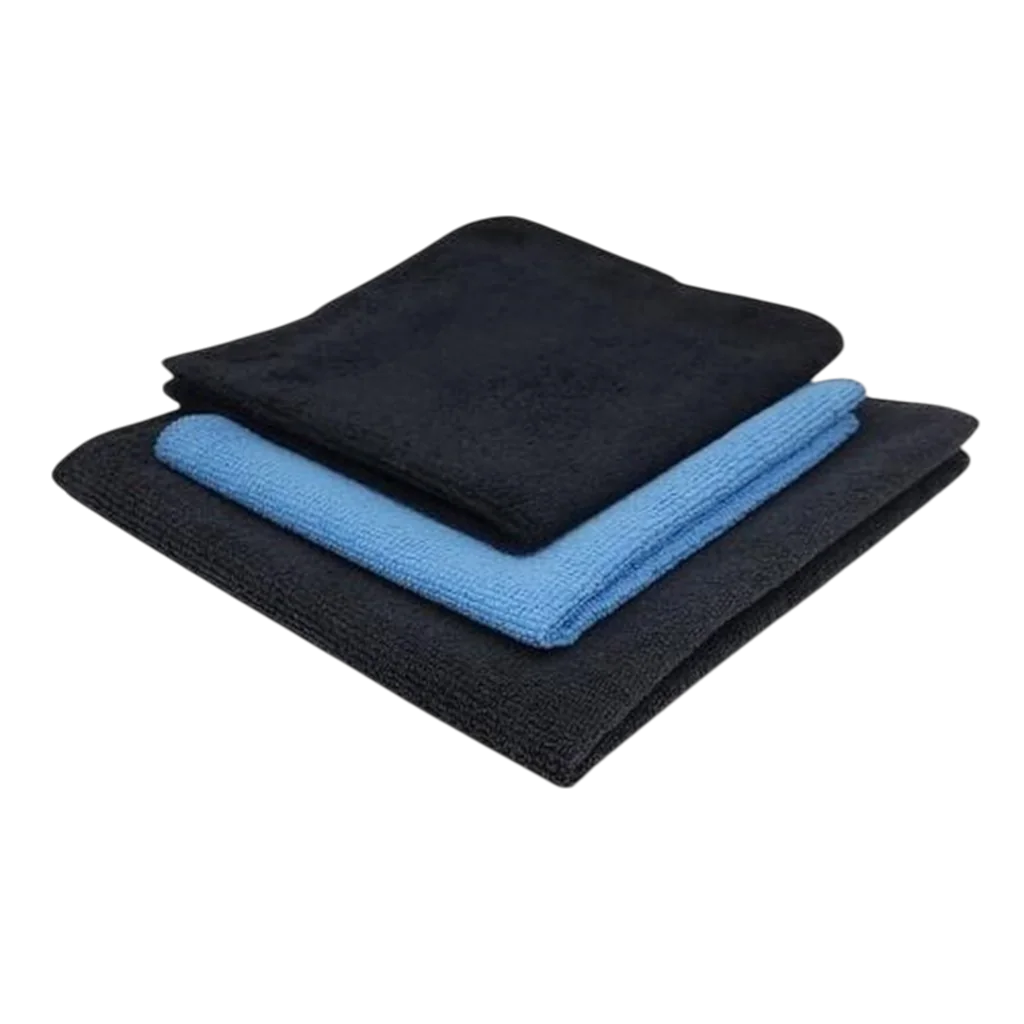
A cloth is placed on the cone to avoid scratching from contact with the pliers. Using pliers, the grinding burr is now carefully loosened by turning it clockwise. For us, this loosening was relatively easy once we had a good grip with the pliers.
The cone is unscrewed as well as the subsequent plastic suspension and the felt washer. Underneath are two thin washers, which are also removed.
For our grinder upgrade, we bought a third washer at the hardware store. (If anyone finds a link to a suitable washer online, please send it. Thanks!) A washer with the same diameter that is overall 1/3 thicker than the existing washers will do. The installed washers have an inner diameter of 10mm and an outer diameter of 13.5 mm. They are so thin that our calipers could not provide an accurate result. They are approximately 0.4 mm.

We put the three washers back in, rebuilt the remaining removed parts, and tested the grinder. It's important not to immediately use the finest grind size, but to approach it slowly. The grind size range now shifts overall towards finer. If you go too quickly to the finest grind size, you risk metal-on-metal friction, which will dull the grinder.
How does the espresso taste after tuning?
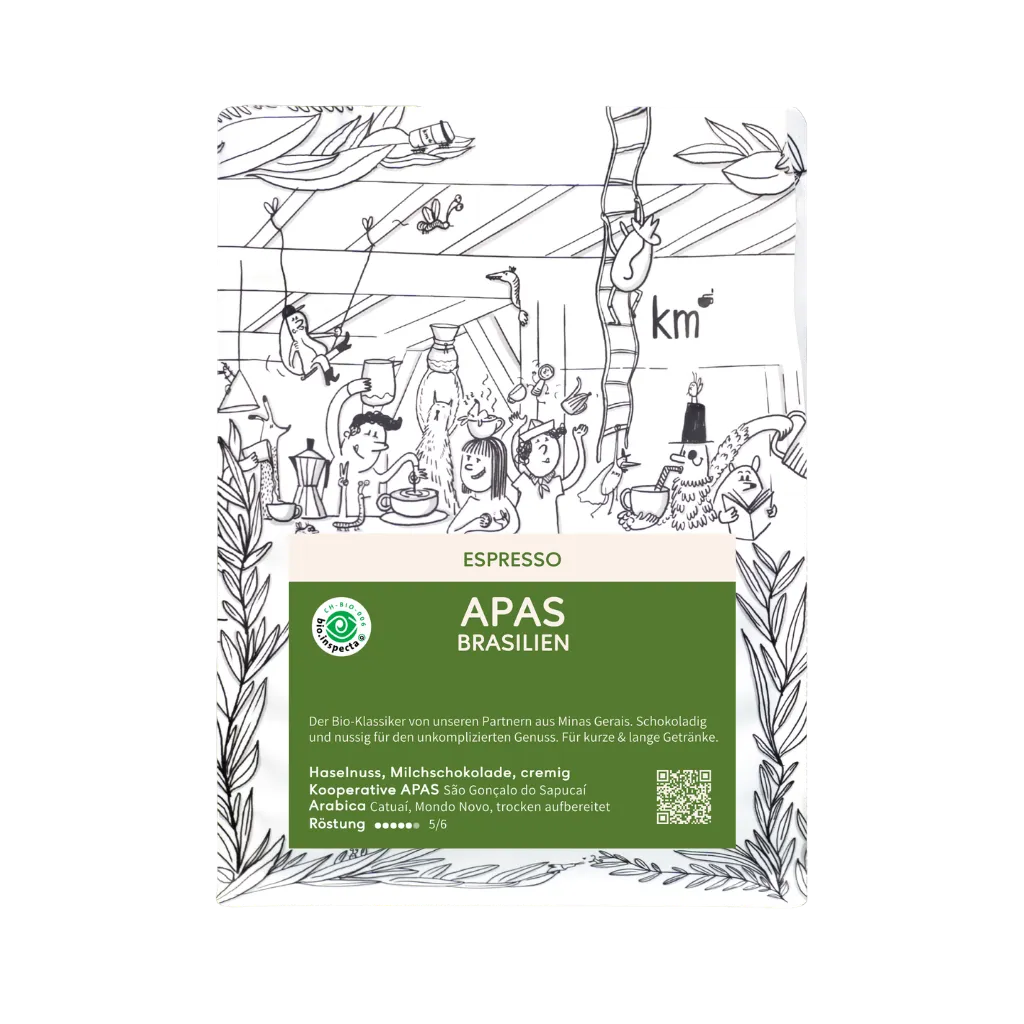
Quite remarkable: a tiny washer brings the Delonghi KG521 back into play. The double espresso, pulled with 18 grams of finely ground coffee and 45 grams of Apas espresso (try it in Germany or in Switzerland) in the cup, tasted 10 points better on our rating scale.
Retention, speed, and consistency
Tuning doesn't suddenly turn the Delonghi KG521 into a good espresso grinder. But it becomes an option in the entry-level espresso range, and at a relatively low price.
Some arguments also speak in favor of the grinder. At 86.2 decibels, the KG521 belongs to the group of grinders with medium noise levels. In terms of retention, the grinder performs well with only 1.4 grams. With a loss of only 0.2 grams when single dosed and ground over 30 seconds, the Delonghi KG521 is even suitable as a grinder for single dosing. However, with a coffee output of 17.1 grams at 10 seconds of grinding, the grinder is one of the slower espresso grinders.
Consistency and especially usability also leave a poor impression. While consistency is acceptable with a standard deviation of 0.28 grams of coffee relative to the target amount, it is often impossible to program the desired amount of coffee.

The dosing adjustment on the rotary dial on the outside right of the grinder only allows for coarse adjustments in four to six gram steps. Through a further "Light - Normal - Strong" scale, you can now fine-tune in two-gram steps. With dial setting 5, we jumped to 22 grams of coffee in the bean hopper at the Strong setting. Normal resulted in 20 grams and Light led to a grind amount of 18.2 grams. If the desired amount had been 19 grams, achieving that with the coarse grind amount setting of this grinder would not have been possible.
Precision and particle distribution
We took our particle distribution measurements with the grinder without tuning. For one, we hadn't yet discovered the modification option. For another, we tested all grinders and espresso machines first in their as-delivered state, because that's how you receive the equipment. Going to the hardware store or specialty shop and improving a grinder with tools and accessories not included should not, in our view, be expected of customers.

Accordingly, our grinds were coarse and accordingly, the fine particle content was low compared to other grinders. But as stated, that was due to the grinder's limited adjustment options. We could still draw one insight from the particle distribution measurements.
In test 4, we set the grinder to the finest possible grind size. Test 5 was set for a ristretto on other grinders, which was obviously not possible with the KG521. In test 6, a café crème was set. In test 7, we set the grinder back to the finest grind size. Now we expected the grinder to produce roughly the same particles and a corresponding particle distribution curve. After all, we could simply move the grind slider back to 1 or the finest grind size. But the curve taught us otherwise. There was a surprisingly large difference between the two curves, which results in poor precision across multiple extractions.
Delonghi KG521 Coffee Grinder conclusion
We're looking for an espresso grinder we can recommend in the lowest price category. The Delonghi KG521 is not that grinder. In factory configuration, the grinder doesn't reach the desired grind range even at the finest grind size. The grinder grinds too coarsely. Only with an upgrade can espresso-fine grinding be achieved.
This means the grinder can only be recommended if the home barista enjoys pulling out the pliers and searching for a suitable washer. Then the Delonghi KG521 is indeed an option in the range of affordable espresso grinders.
We particularly like that the grinder does a good job as a single-dose grinder. That's a nice option for home use. Usability and setting the coffee amount is inconvenient, but plays a smaller role when used in the single-dose range.
For all other tests and other espresso machines in the 80 - 150 euro price range.