


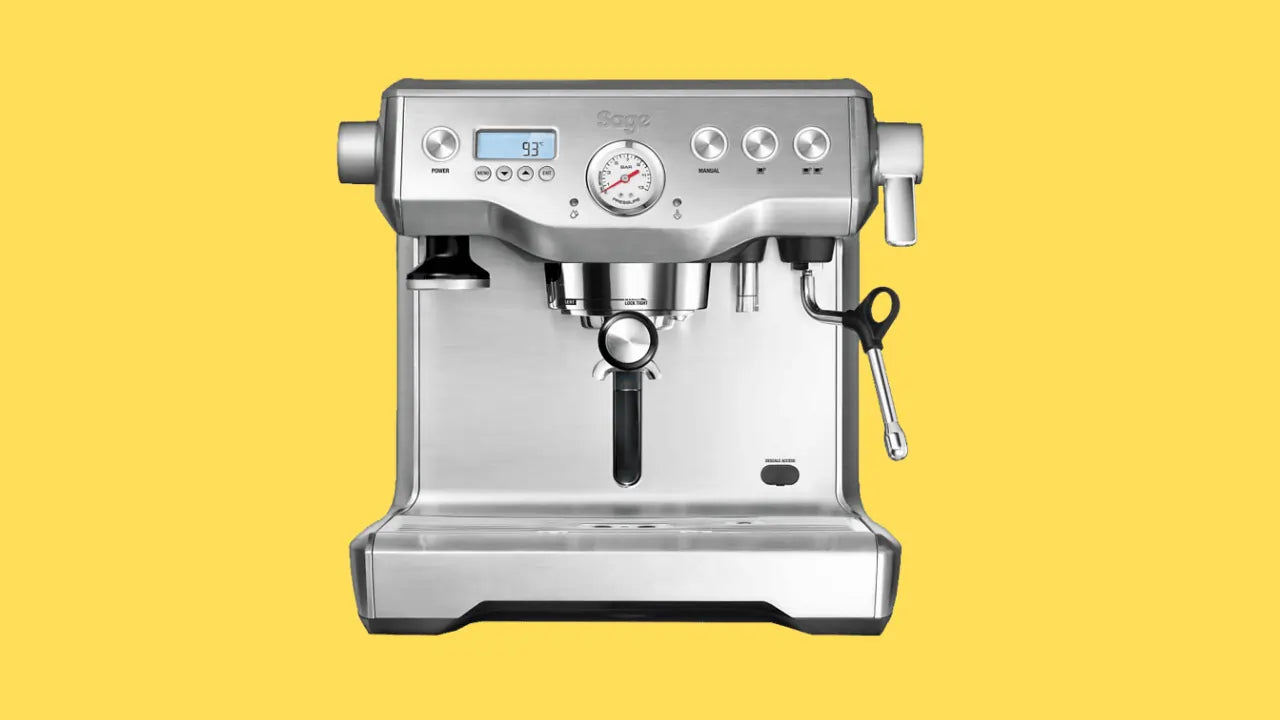

The Sage Dual Boiler espresso machine is an interesting espresso machine. "the Dual Boiler" from Sage is different from all the other Sage models we've tested so far. While the Sage Barista Pro, Barista Express, Barista Touch, and Sage Bambino espresso machines use thin-film heaters, the Dual Boiler is an espresso machine with multiple boilers. This places Sage's espresso machines right in the middle of a competitive field, where names like La Marzocco, Dalla Corte, or ECM are at home. While many dual boilers from these companies cost significantly more than 2000 euros, Sage's the Dual Boiler costs just over 1000 euros. That's a statement to the entire market, and we were all the more curious to see what quality is possible.
One thing upfront: Sage the Dual Boiler shows that dual boilers don't necessarily have to be expensive to deliver technical excellence, an amazing range of functions, and ultimately good espresso in the cup.
Table of Contents <open>
This article is a summary of our work results around the Sage Dual Boiler. We've tested the machine thoroughly and so far have shot a longer test video as well as a shorter summary. More content with tips, tricks, and operating suggestions will follow. If you're interested in Sage the Dual Boiler and want to stay up to date, subscribe to our info newsletter for the machine below on the page.
Short and Sweet - Test Summary
Strengths
- Temperature stability once the espresso machine is heated up.
- Fast warm-up time of just 8 minutes. A flush shot is then recommended.
- Extensive control options, from automatic start time in the morning to pre-infusion.
- Dual PID control of the brew boiler and steam boiler.
- Programmable dose buttons. You can program either the flow time or the flow volume. Particularly the flow volume (volumetric) is omitted by many espresso machines, even more expensive ones.
- The pre-infusion/preinfusion can be adjusted both in time and in terms of the amount of water dispensed or pressure applied. A unique selling point in this price range.
- Dual water tank filling. It can be filled from the top and thus from the front. However, it can also be removed from the back of the machine.
- No integrated grinder. This makes it possible to purchase a good grinder that matches the machine.
- Good milk jug included in the package.
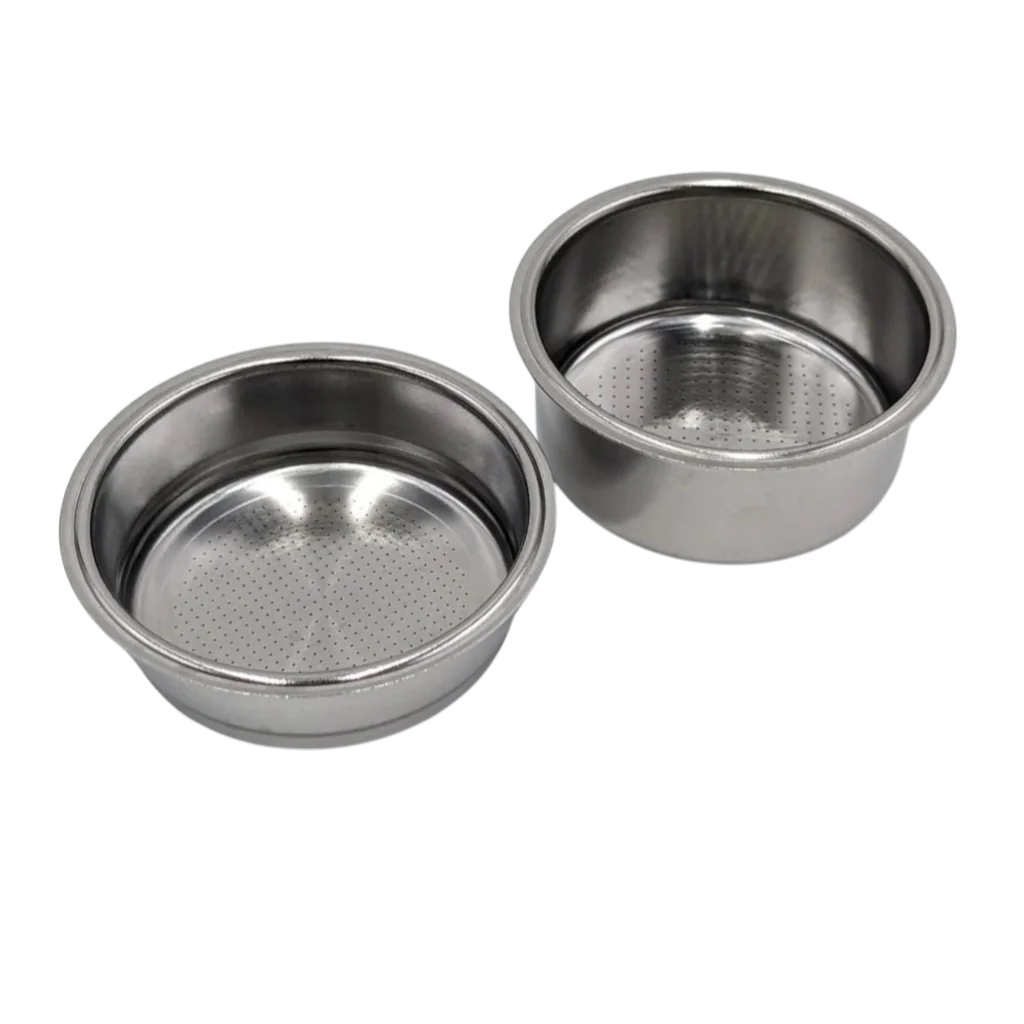
- Good baskets with sensible capacity of 18 - 20 grams included in the package.
Weaknesses
- Steam boiler must be switched on because it acts as a heat exchanger to preheat the brew boiler water.
- Lots of unnecessary accessories included.
- For a Sage machine, relatively high power consumption. Sage demonstrates with other machines how low the power consumption of an espresso machine can be.
- Tamper doesn't close completely flush with the basket.
- Relatively bulky machine, especially in width.
- The machine is at 72 decibels relatively loud. More than the loudness is the fact that the sound is rattling and doesn't sound good.

Dual Boiler from Sage - Classification
The Sage Dual Boiler is not comparable to the other Sage espresso machines we've tested. In the past, we've tested and discussed the Sage Barista Express, Sage Barista Pro, Sage Barista Touch, and Sage Bambino. These espresso machines don't rely on a single boiler to heat the brew water and steam, but rather on heating elements called thin-film heaters. Except for the Sage Bambino, the machines mentioned also have integrated espresso grinders.
With a brew boiler of 0.45 l and a steam boiler of 0.95 l, Sage Dual Boiler lives up to its name by taking a different path. This brings advantages and disadvantages. The warm-up behavior of boilers is generally slower. Power consumption is usually higher. On the other hand, heated boilers, once they reach their temperature target, are more temperature stable due to their thermal mass. Temperature control then has to demand less than with quickly heating and cooling thin-film heaters that lack significant heat storage capacity.
Strategically, a dual boiler also flies a different approach, as it must confront established names and brands in the espresso machine business. While the companies themselves react with cool composure to the fact that Sage also swims well in the dual boiler waters, hardened boiler fans react with bated breath.
It's hard to accept that a manufacturer who sometimes has material difficulties with the cheaper models and, in our view, especially temperature issues, presents a good dual boiler for relatively little money.
And yet we understand this as exactly our task: to keep looking anew, to give each machine a fresh look, and to highlight strengths and weaknesses. Our goal is to find espresso machines that allow you to prepare good espresso at home for as little money as possible. And the Sage Dual Boiler is just such a machine.
An Affordable Dual Boiler
Sage the Dual Boiler is a really affordable dual boiler. While most dual boilers cost 1800 euros and more, we find the Sage Dual Boiler for around 1150 euros in the EU area. It's sold, for example, on large online platforms like Amazon* or Media Markt, while specialty retailers unfortunately rarely list the machine or it doesn't appear online. In Switzerland, we currently even find prices below 1000 francs (Manor, Galaxus). We advise you, whenever possible, to buy the machine from a specialist retailer. That way you have a direct contact if something is wrong with the machine.

Size and Appearance
Sage the Dual is 42 cm wide and 38 cm high at the base. The width refers to the entire machine, including the steam wheel on the right side and the water vapor control on the left side. With our cups, we reach a height of 43.5 cm. By the way, quite a lot of cups fit on the machine and they are warmed up well. This means the espresso in the cup cools down more slowly and the mouthfeel is better.
The body of the espresso machine is 37 cm deep. However, you shouldn't forget the portafilter, which extends beyond the Sage Dual Boiler. We measure 44.5 cm including the portafilter. At 16 kg, the Sage Dual Boiler has a solid weight and a stable stance. The water tank holds 2.5 liters and can be filled from the top or removed from behind the machine. Very practical.
Equally practical. When the maximum 1 liter drip tray is removed, a hidden wheel becomes visible underneath, which can be extended. This allows the Sage Dual Boiler to be moved easily without much effort. For the record: you can also fill more water into the drip tray. But up to 1 liter, it's easy to carry and empty. That's a solid size.
Temperature Curves Sage Dual Boiler

Energy Consumption

Espresso Preparation with the Sage Dual Boiler
You should plan for a warm-up time of at least 8 minutes, even if the machine signals earlier that it's hot. A flush shot also heats the portafilter well. To do this, leave the portafilter clamped in and trigger a double water pull.
If you often want to pull espresso shortly after turning on the machine, we recommend setting Sage the Dual Boiler 1.5 degrees higher. This compensates for the fact that the machine hasn't yet reached temperature equilibrium. We also correct the relatively sluggish temperature build-up during extraction. This advice applies especially if you use high-quality and light espresso roasts. If the roast is darker or stronger, the temperature can be left at the default setting.
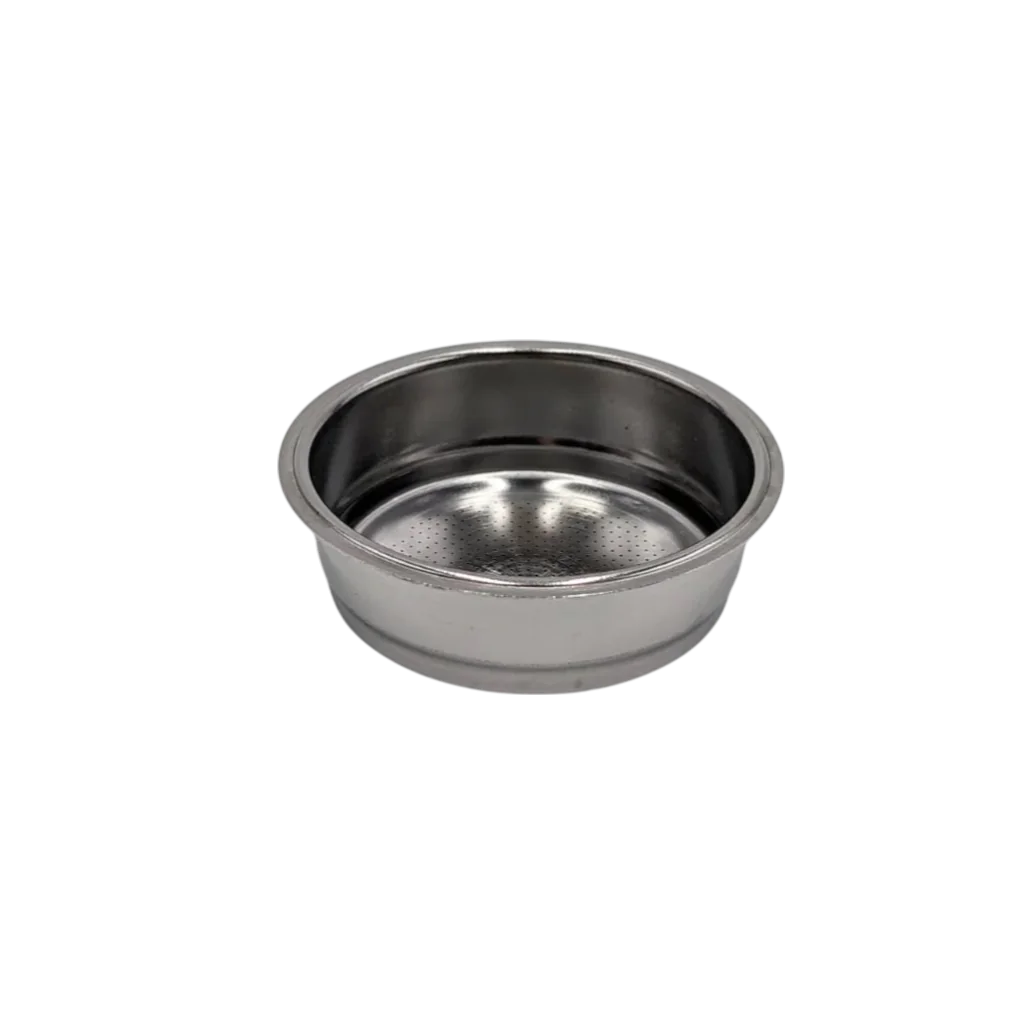
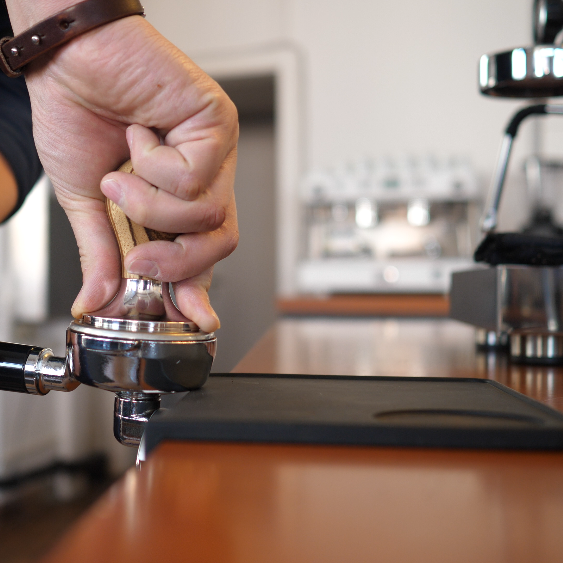
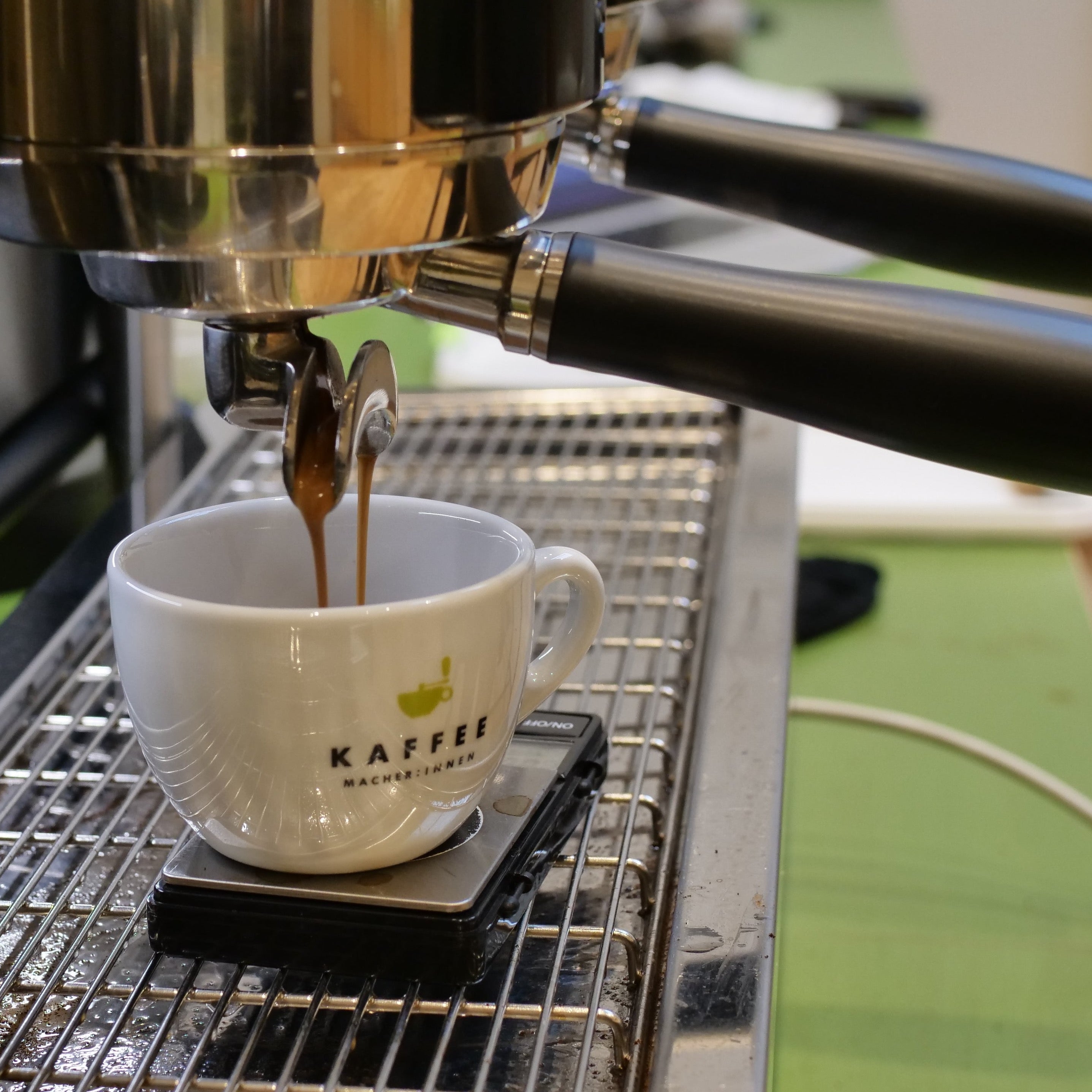
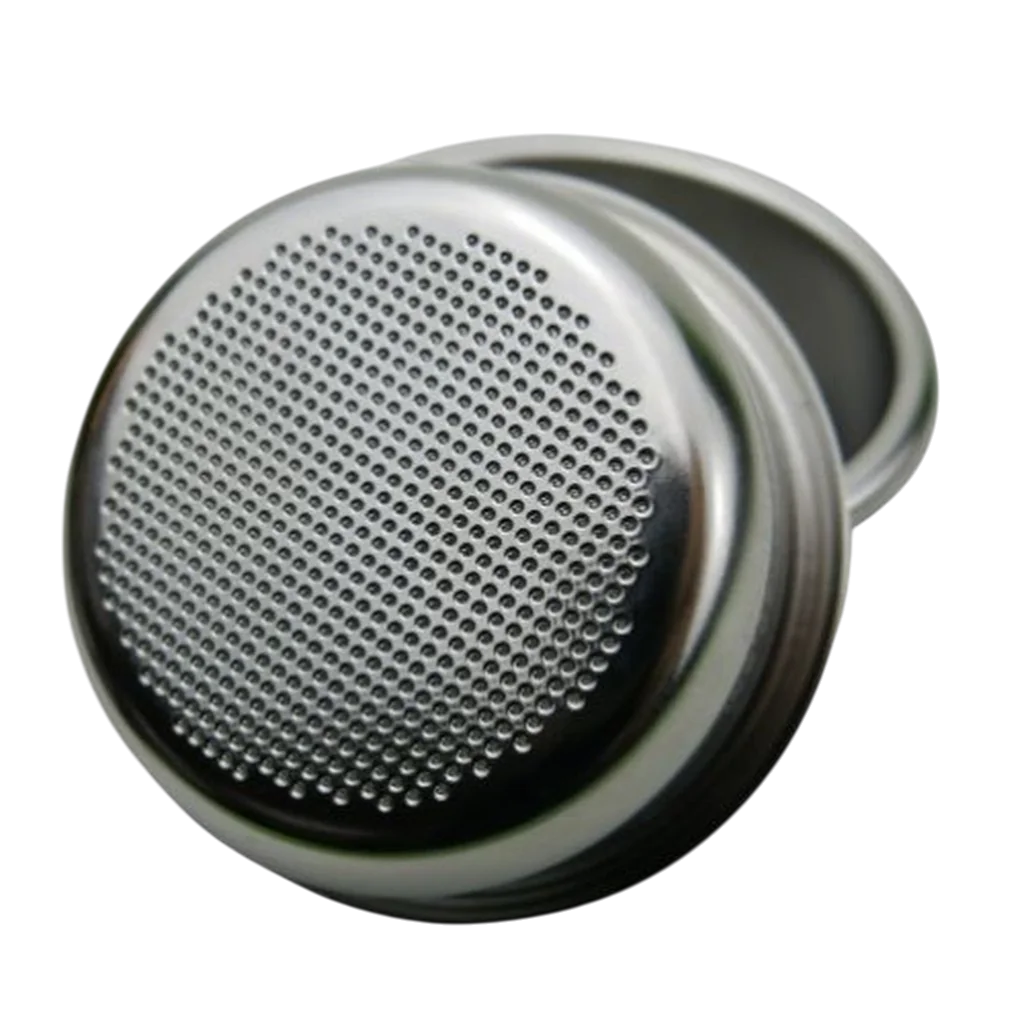
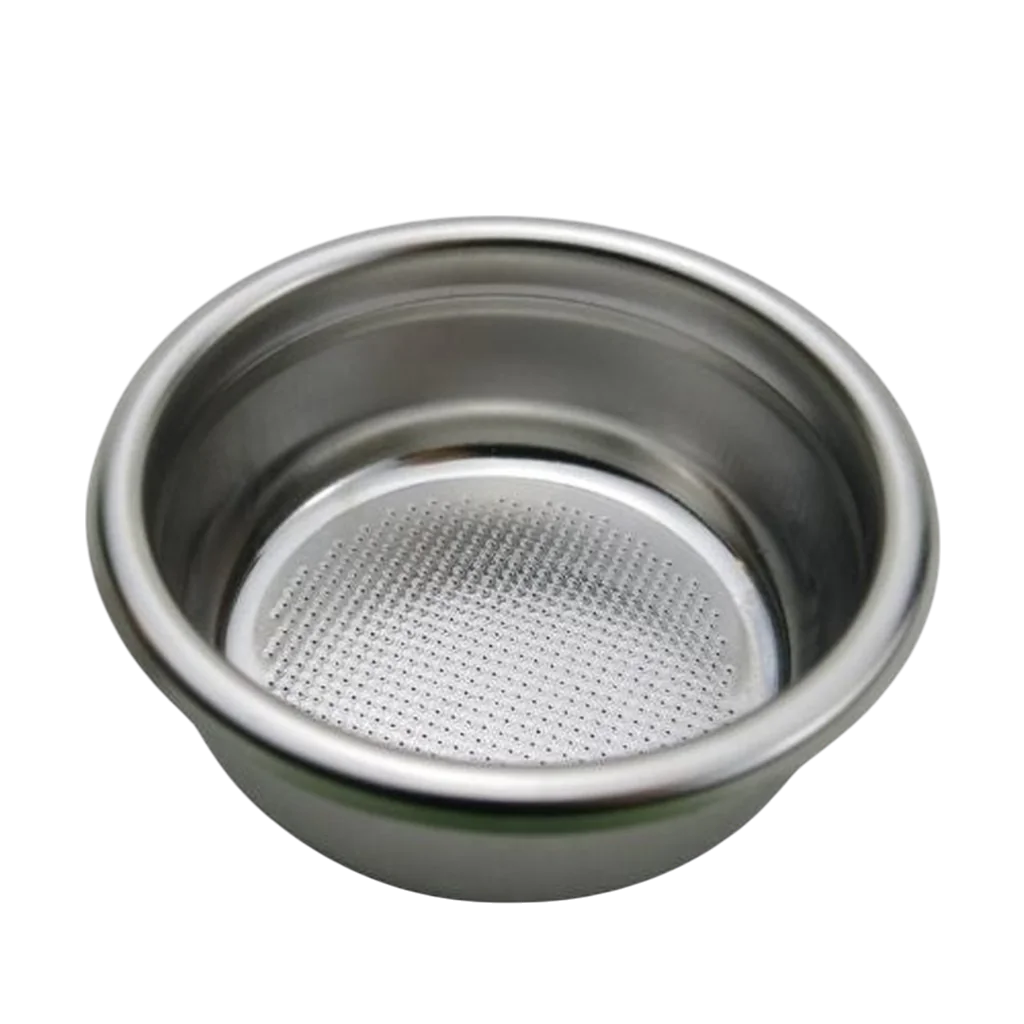
The included double basket holds 18 to 22 grams of coffee according to the manufacturer. We recommend using only 18 to 20 grams. Grind the coffee with an espresso grinder to an "espresso fine" consistency and distribute evenly in the portafilter. Then tamp with the included tamper. In general, with espresso machines, the results from double baskets are better than the results from single baskets.
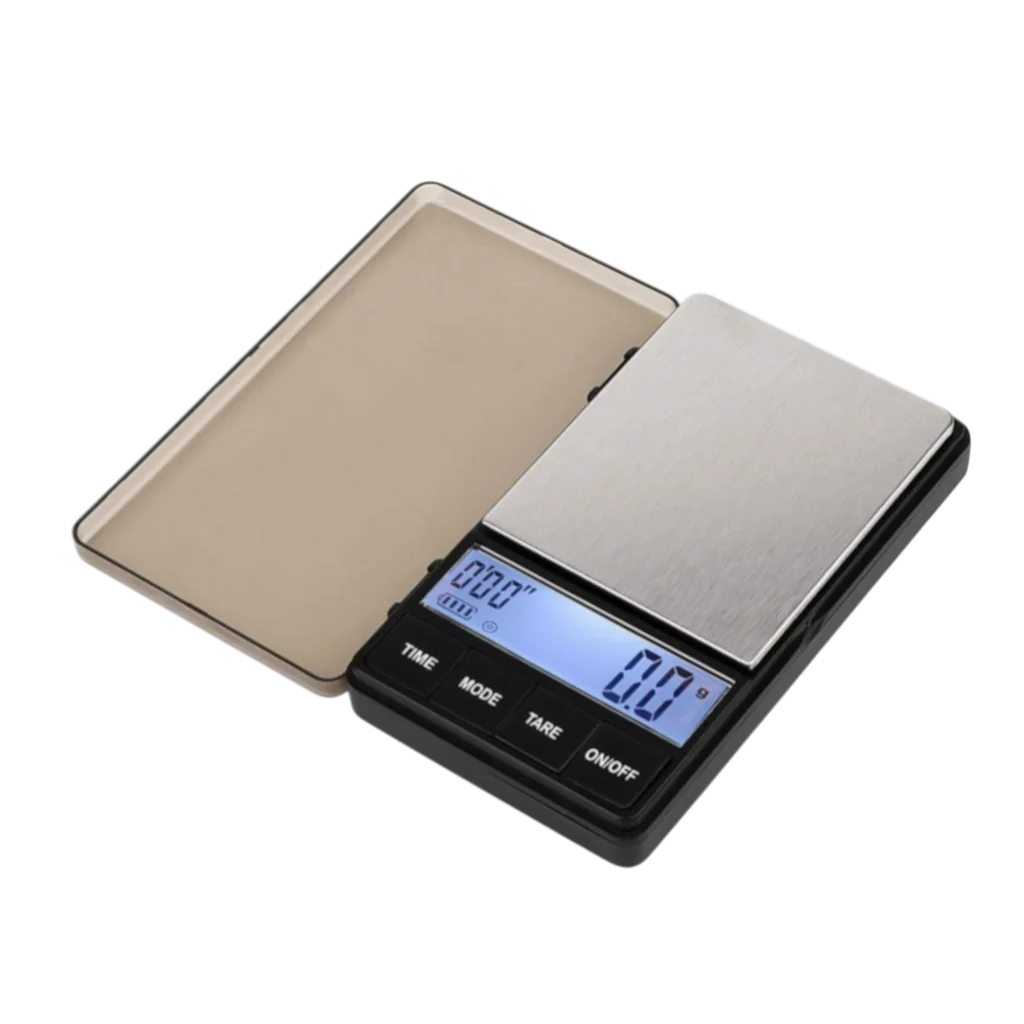
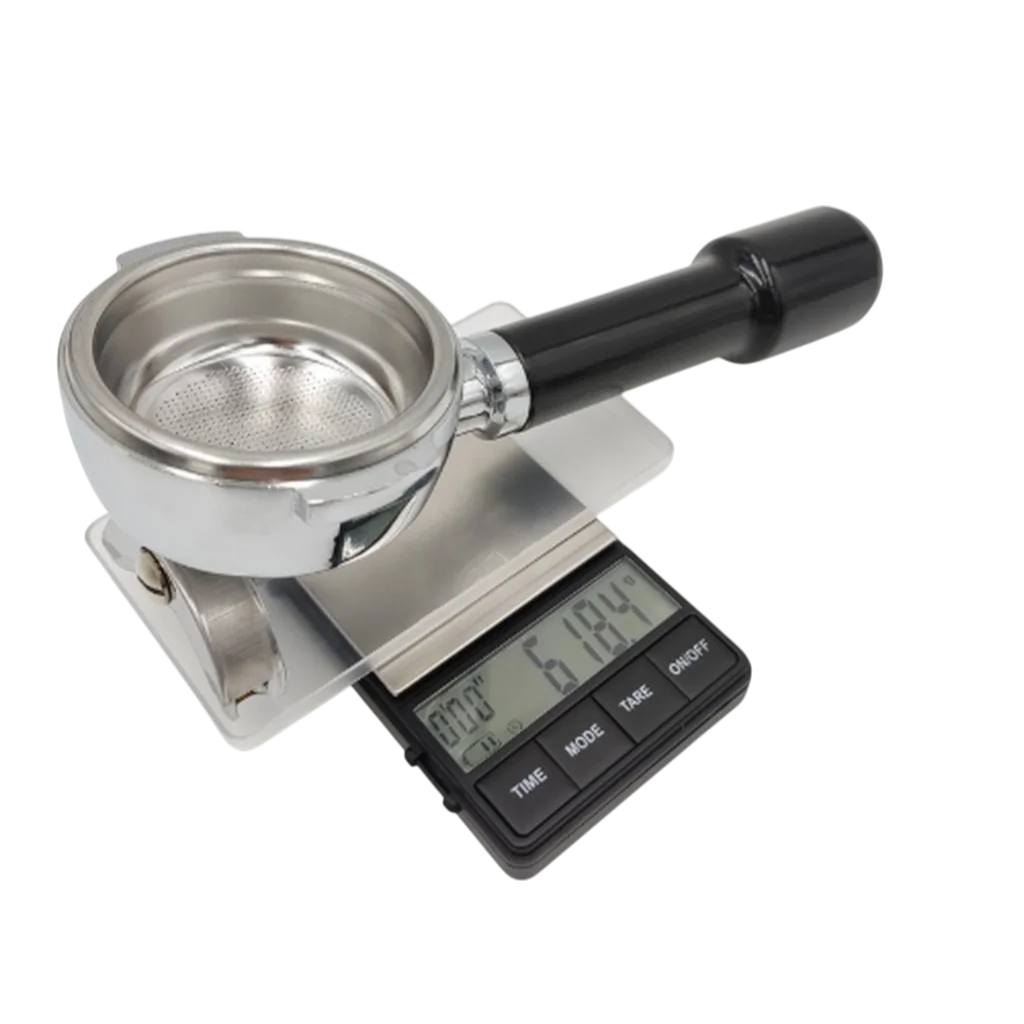
In our guide "Preparing Espresso - Step by Step" we explain the procedure in detail. A necessary tool for espresso adjustment is a scale. This allows you to program the output quantity of the machine and also check the amount of coffee used. A guideline for espresso extraction is an output amount of 2 to 2.5 times the amount of coffee grounds used. With 18 grams of coffee grounds, we expect 36 to 45 grams of espresso in the two espresso cups. For this, the espresso machine should take about 25 seconds. This allows us to achieve a basic recipe that can then be fine-tuned further.
Feel free to write it in the comments. This supplements our test and helps others who are interested in the machine.
Thanks in advance,
Michel and Benjamin