















Apas Decaf, Decaffeinated Espresso from Brazil


Apas Decaf - Coffee Info
|
Taste |
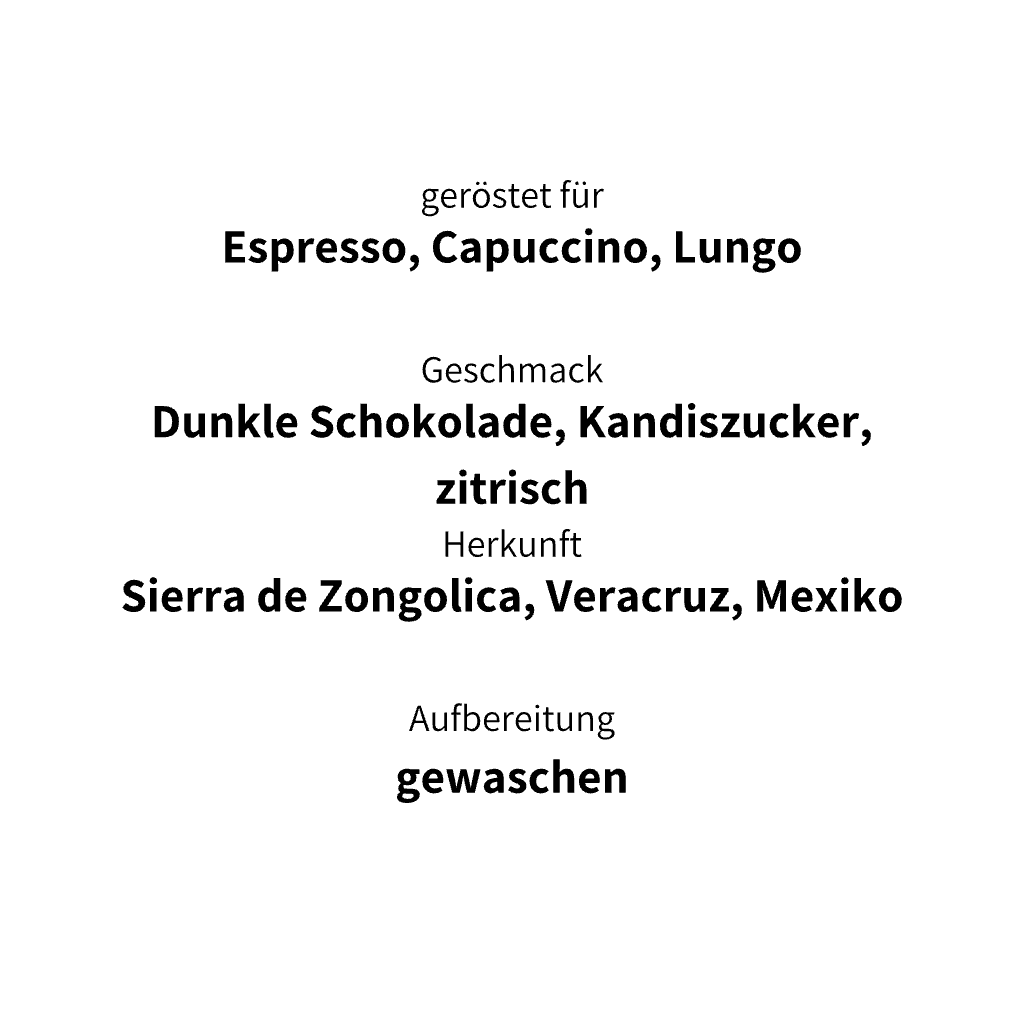
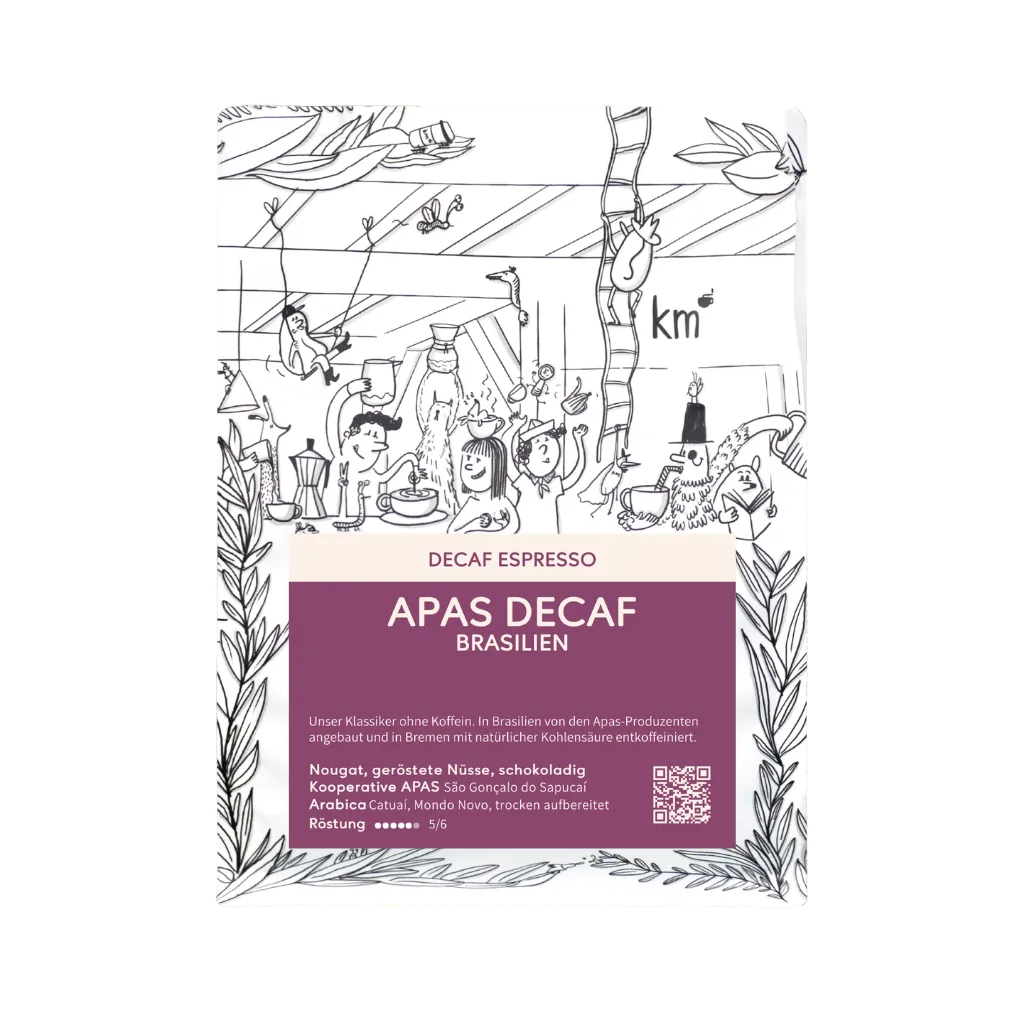
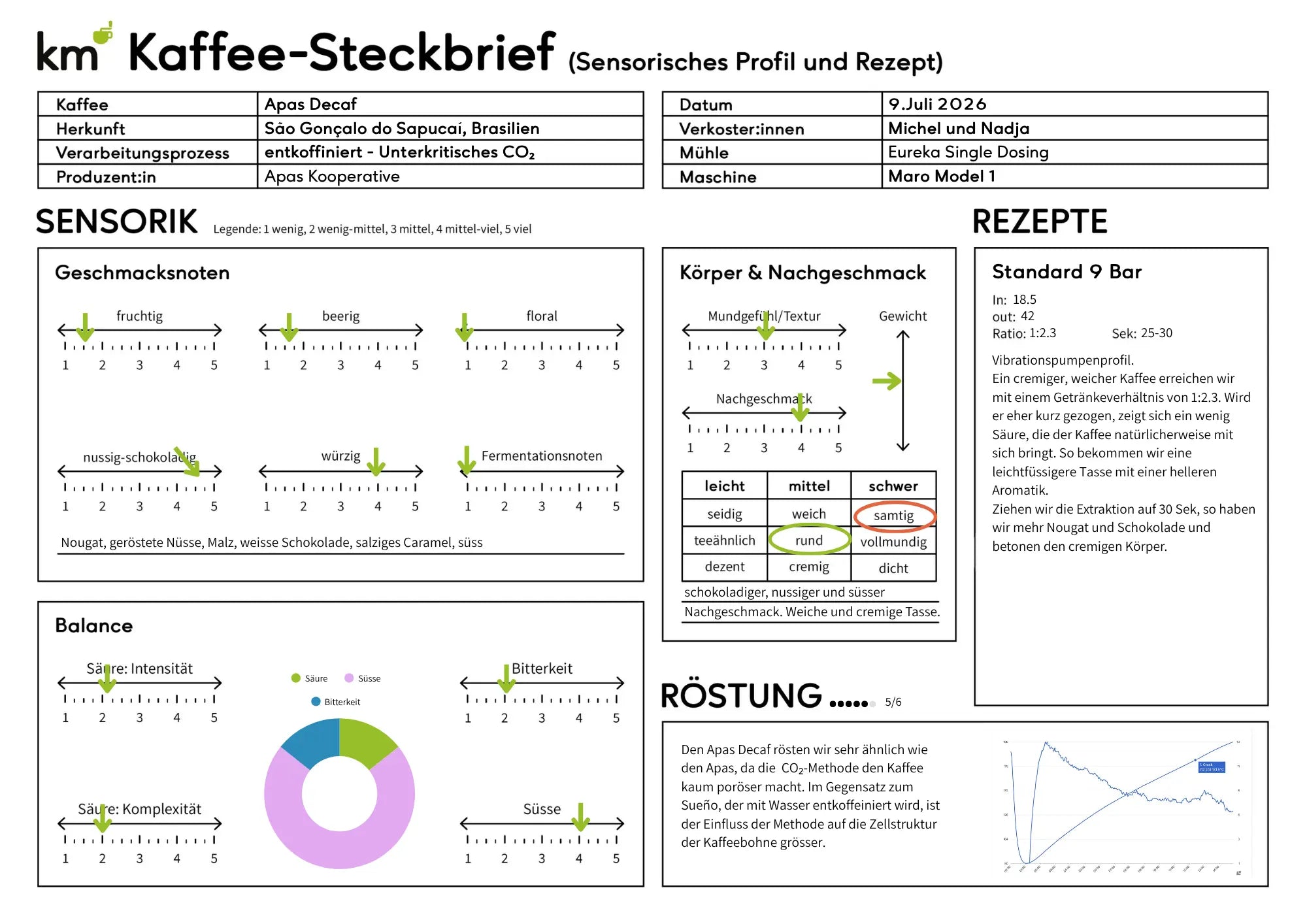
Nougat, roasted nuts, chocolatey |
|
Origin of beans |
Brazil, São Gonçalo do Sapucaí |
|
Producer |
Apas Cooperative |
|
Varieties |
Local varieties such as Mondo Novo (Arabica) and Catuai (Arabica) |
|
Post-harvest process |
Natural |
|
Decaffeination |
Subcritical CO₂ (natural sparkling carbon dioxide) |
|
Decaffeinator |
CR3 in Bremen |
|
All our coffees are sold as whole beans. |
|
How we would prepare Apas Decaf

Why does Apas Decaf taste the way it does?
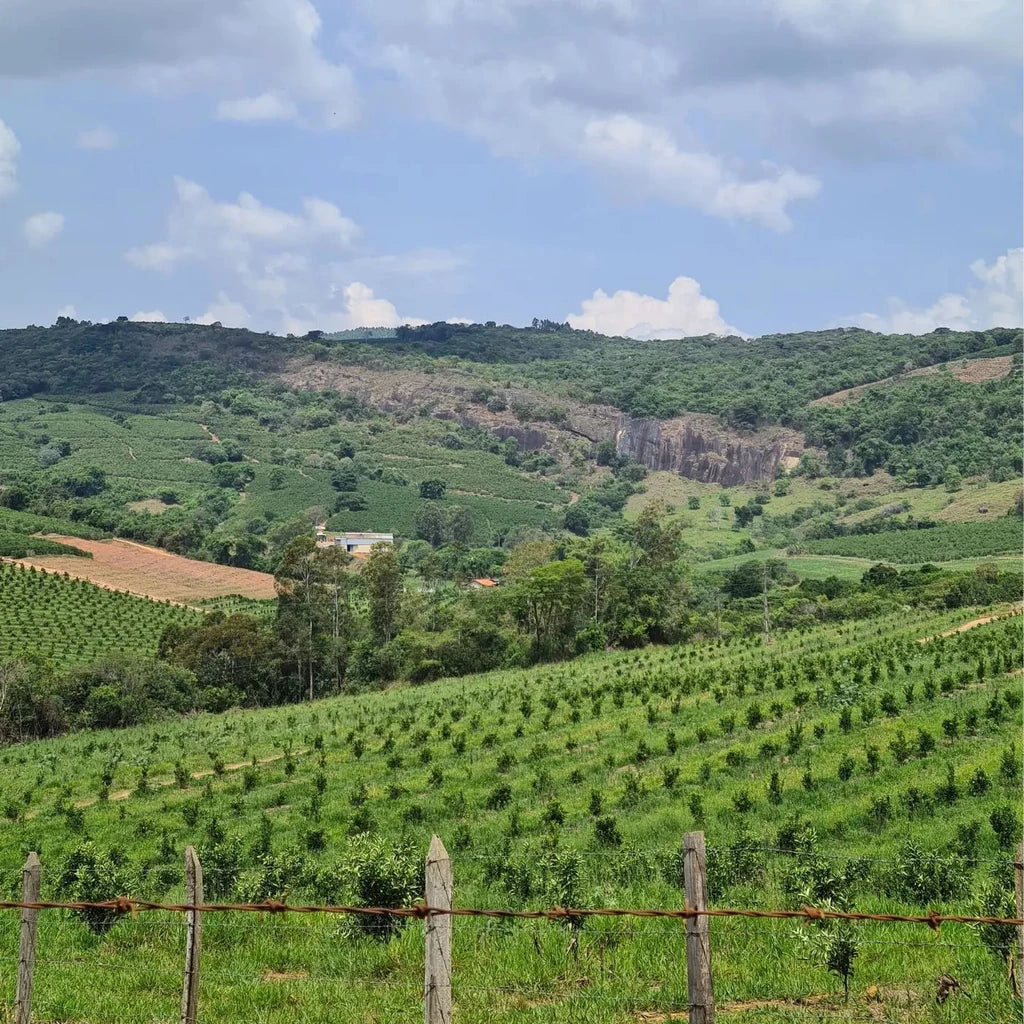
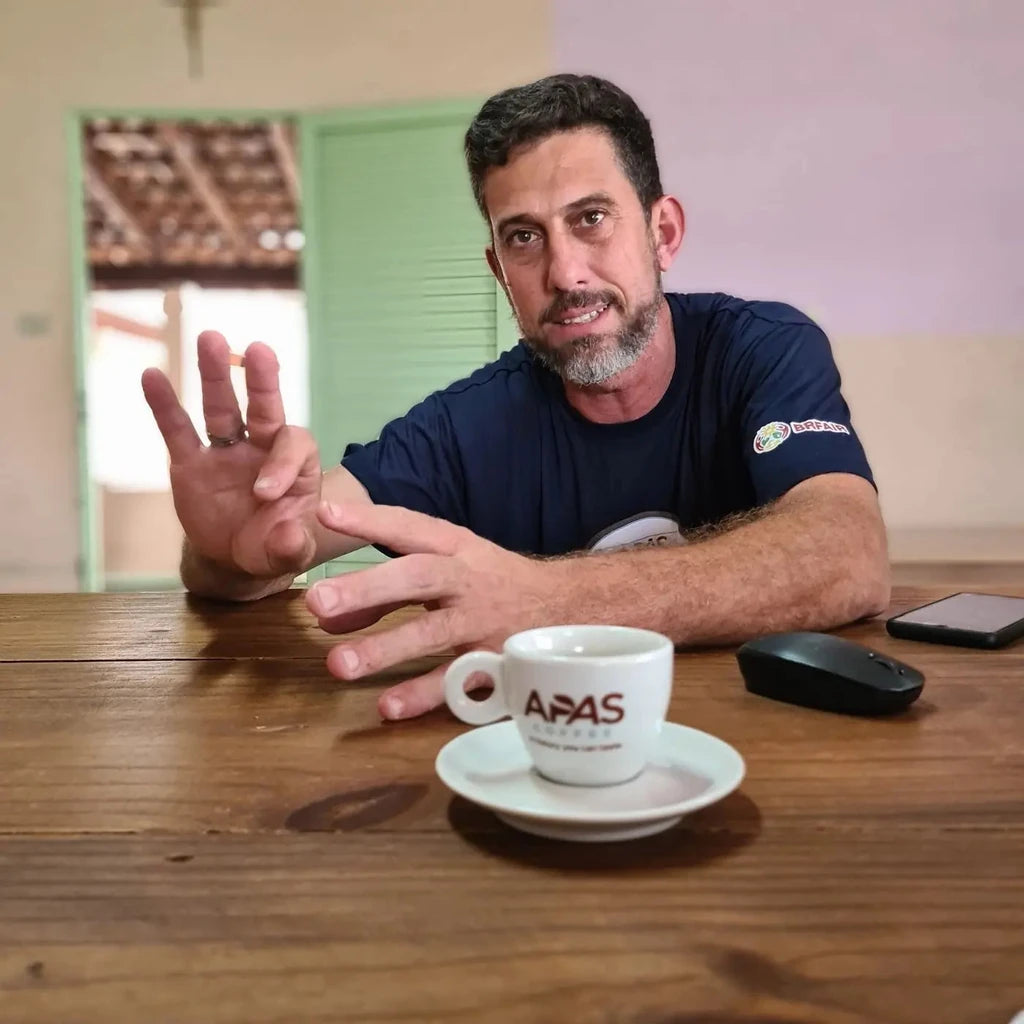
The APAS blend is a mixture of coffees from 71 members of the cooperative who market their coffee under the name APAS. They are among the Fairtrade pioneers in Brazil and manage their farms in the region around São Gonçalo do Sapucaí. Time and again, they also achieve success as individual producers in renowned competitions such as the Cup of Excellence. The coffee cherries for the APAS blend are selectively harvested by members on their own farms, dried in the cherry, and then mechanically depulped. This dry processing emphasizes the nutty and chocolatey character of the coffee.
Tell me more about Apas Decaf
For years, APAS has been our bestseller because it appeals to many tastes. In the meantime, we import several containers per year. The coffee and cooperation with the cooperative are strategically important to us. In winter 2024, we asked ourselves: What if APAS were also available in decaffeinated form? We contacted the decaffeinator CR3 in Bremen and reserved a slot for spring 2025. The APAS blend was delivered to Bremen, decaffeinated there, and we subsequently took over the approximately three tons of coffee together with friendly roasteries.
The decaffeination process
This coffee was decaffeinated by CR3 in Bremen using subcritical CO₂ , so-called sparkling carbon dioxide. All processes have in common that the green coffee is placed in a closed vessel with water or steamed at the start of treatment so that the pores of the green coffee open. An extraction solvent is then added, which is intended to extract the caffeine. In this case, it is the sparkling carbon dioxide. In the subcritical CO₂ method, the CO₂ is converted to a liquid state under high pressure and low temperature conditions, which in combination with water can extract the caffeine. This process takes several days.
How do we roast this coffee?
Very similarly to the Apas, since the CO₂ method makes the coffee barely more porous. In contrast to Sueño, which is decaffeinated with water, the influence of the method on the cell structure of the coffee bean is greater.
Read coffee details into Beanconqueror:


Garantierte Herkunft
Wir wissen exakt wo unser Kaffee herkommt und wann dieser wo geröstet wurde.

Persönliche Beratung
Wir sind bei Fragen und Problemen als Ansprechpartner für dich da.

Schneller Versand
Lieferung aus Deutschland oder der Schweiz

Gratis Versand in CH ab 120 CHF