



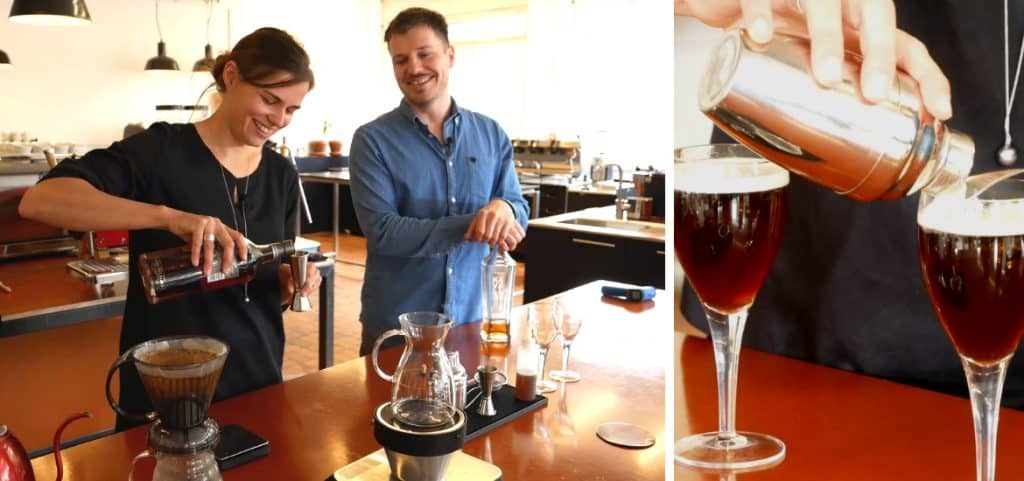
Just as there is not one coffee or one whisky, there exists a multitude of Irish Coffees. It's about balance and the choice of ingredients. Theresa Prüssen, Victoria Arthofer and Nicole Battefeld share their recipes here. What they have in common is that they are national champions in Germany, Austria and Switzerland.
On a foggy February day in 2015 in Oslo, I learned that Irish Coffee is probably the most difficult and at the same time most soothing coffee drink. I was judging the "Coffee in Good Spirits" competition, a barista discipline in which coffee is mixed with alcohol to create innovative and delicious cocktails. The competition consists of several parts, one of which is the Irish Coffee.
Well, one might think, Irish Coffee is really just coffee, cream, sugar and whiskey – each of these alone is delicious, so surely all the components together must be even more delicious. Well – until that day in February 2015, I thought similarly.
One competitor brewed a filter coffee from Panama, Geisha variety, as the base for her Irish Coffee. The coffee was dry-processed and tasted intensely of papaya and jasmine. She used palm syrup for sweetness, mixed it with a smoky Japanese whisky and crowned the drink with slightly acidified cream. I was astonished. Until that point, I was not aware that this drink, which appears optically unattractive compared to other cocktails, could be so complex and surprising.
What is Irish Coffee?
Irish Coffee consists of just four ingredients: coffee as a base, mixed with whiskey, sweetened, and crowned with whipped cream. There is hardly any other mixed drink that can taste so variable.
It sounds as if all Irish Coffees would taste similar because they always consist of the same ingredients. But the interesting thing about this drink is that each individual component can be chosen so precisely that it achieves the perfect balance and brings out new flavor notes.

The Glass
Classic Irish Coffee recipes are based – according to legend – on a glass with a 6-ounce capacity, roughly 180ml. In the aforementioned Coffee in Good Spirits competition, glasses with 240ml capacity are used.
It probably depends on your thirst and outside temperatures which size you prefer at the moment. The glass is a classic chalice glass. This allows the glass to be heated while the bottom is turned. An Irish Coffee only looks good when the glass is filled to the brim, and that requires a lot of coffee.
The Coffee Type: Filter Coffee
The drink stands out – and I'll return to this several times – through balance. With the coffee itself, we must also pay attention to balance. Just because coffee is one of several ingredients doesn't mean we should use any random coffee. Likewise, we recommend not working with espresso. Espresso or lungo shots are usually too strong and would dominate the drink and, well, throw it off balance.
Coffees brewed as filter prove to be the perfect ingredient here. Filter coffee brings volume to the drink and transports finer, more complex notes into the overall construct. Espresso or similarly intense drinks are not as nuanced and would mask the finer notes in the whisky. However, the filter coffee should be brewed somewhat stronger, i.e. over-dosed, than usual. After all, it will be significantly diluted afterwards. We recommend at least 7g coffee per 100ml water, anstatt rather than the usual 6g coffee per 100ml water.
The Coffee Flavor: Experiment
At my awakening experience in Oslo, the competitor brewed an extremely characteristic filter coffee, which she then used in the Irish Coffee. However, a complex coffee alone doesn't make the Irish Coffee better if the other ingredients are not selected with equal precision.
We have found that well-developed filter coffees are best suited as a base. The very light coffees tend to get lost in flavor. "Well-developed" means in our filter coffee language that we would roast them 10 seconds longer than another filter coffee.
Characteristic coffees that are very floral or fruity can be just as much fun as more nutty-chocolatey coffees. Here too, the goal is to find the balance with the other ingredients. A peaty whiskey, for example, harmonizes less well with a very fruity Kenyan filter coffee. Younger whiskies with lighter notes, on the other hand, pair very well with more floral coffees.
There is certainly no rule for how coffees harmonize with whiskey. Experimentation is the way to go. It also makes sense to select one filter coffee and then find the matching whiskey for it. A pretty exciting task that is best tackled on a weekend.
Theresa Prüssen emphasizes several times that she finds acid-focused coffees less suitable because the alcohol brings out the acidity in the coffee even more. Theresa works with sweet, balanced filter coffees.
The Sweetener
Anyone who automatically thinks of sugar when they hear "sweet" is invited to try something different. The sweetness component helps the drink be more balanced and somewhat mitigates the high alcohol content of the whiskey.
Syrups not only sweeten the drink but also give it a softer texture. From simple sugar syrup to date or palm syrup, there are various ways to combine sweetness with texture.
Muscovado sugar, stevia, molasses, honey – anything sweet serves its purpose and invites you to experiment. But there shouldn't be too much sweetness – balance should definitely be maintained. And the drink is already quite heavy anyway, so you don't need that much sugar.
The Whiskey
Just as with coffee, we find a multitude of different interpretations and flavor profiles in whiskey. Once you start clicking through the various whisky blogs, you quickly realize that the whisky world is just as colorful as the coffee world.
Whisky experts distinguish between taste profiles such as woody, malty, floral, fruity, peaty, herbal, grainy, grassy, fruity, earthy, and wine-like www.maltwhisky.de.
Before you dive right into tasting, it makes sense to familiarize yourself with the basics of whisky knowledge. Best to pick four completely different whiskeys – fruity, peaty, grainy and X – and try to combine them with a coffee afterwards. That already gives you a rough idea of what goes together. After that, you get into the details, which are no less fun but demand a bit of physical stamina.
The Cream
The cream as the crowning finish of the drink is simultaneously the first impression when drinking. Not only is temperature crucial here, which we'll discuss shortly, but also creaminess and of course taste.
Fresh cream tastes different from long-life UHT and ESL creams. Even a hint of aging-related aromas that make the cream somewhat rancid, cardboard-like or too buttery can be off-putting.
It's also worth trying different types and brands of cream, shaking them and simply tasting them. Yes, no one said the path to the perfect Irish Coffee was a walk in the park. It's quite demanding.
Nicole Battefeld uses coconut cream for the topping instead of dairy cream – definitely worth trying.
The Temperature
For me, the most exciting element of Irish Coffee is the temperature contrast. When our lips touch the glass, we first feel the cool cream. The flatter we hold the glass, the more warm-hot whisky-coffee mixture sloshes out from under the cream.
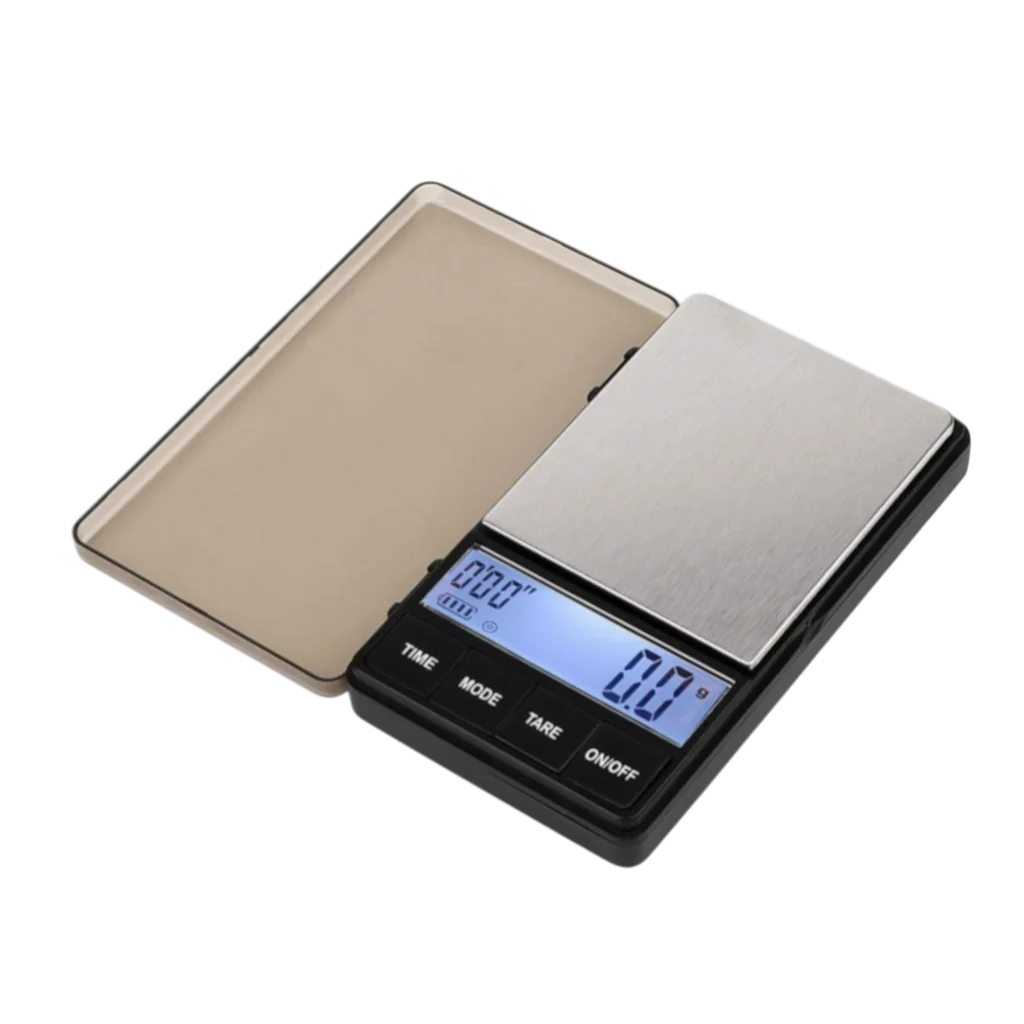
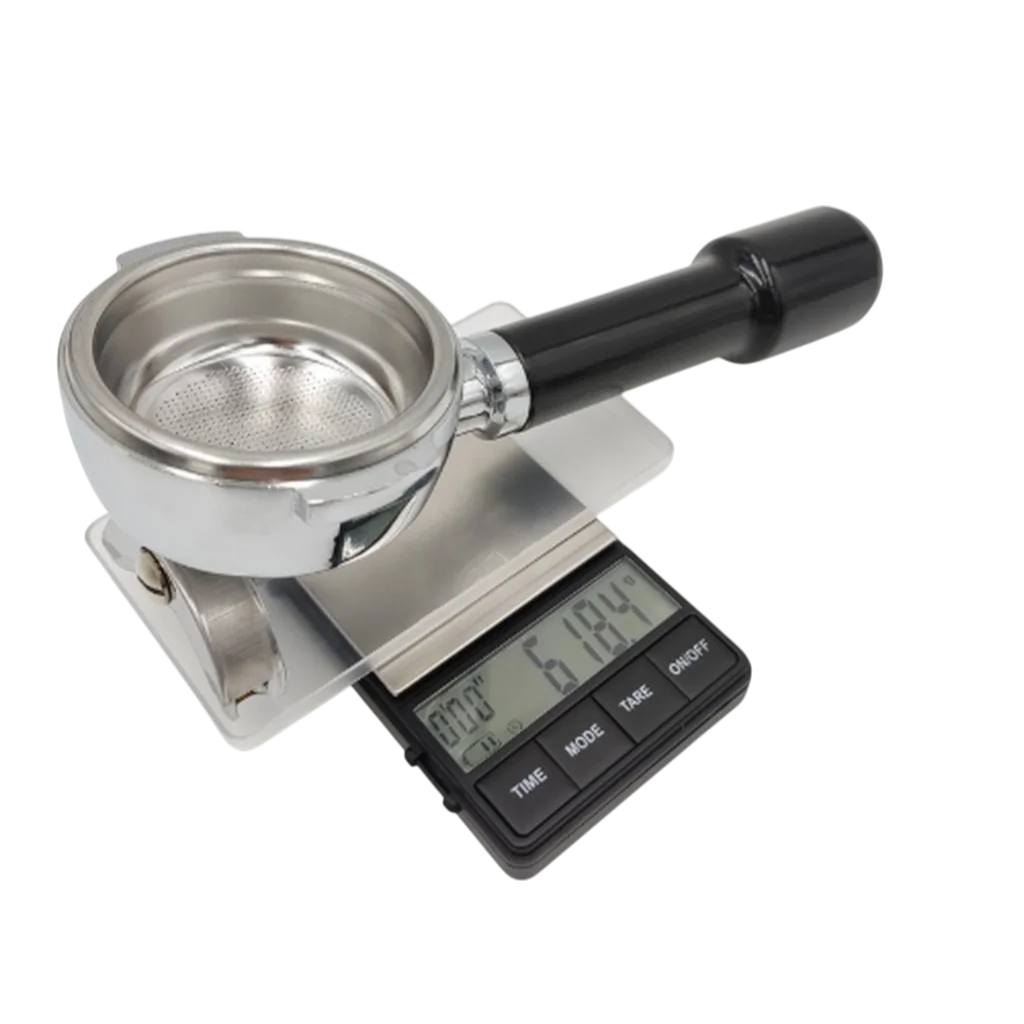
The greater the temperature difference, the more this surprise effect occurs. But be careful: the cream shouldn't be so cold that your teeth start to hurt, and the coffee shouldn't be so hot that someone burns their tongue. The goal here is to come as close as possible to the extreme values. It's best to measure this with a simple digital thermometer.
The Mixing Ratio
When all the ingredients are right, that unfortunately doesn't mean the final product will taste delicious. My favorite cake, a Swedish buttermilk cake, only tastes really delicious when the right ratio is chosen. Although each ingredient alone is delicious, that doesn't mean they necessarily harmonize together.
To find the right mixing ratio, it's best to brew a large filter coffee and pour 50g into espresso cups. To the first cup you would now add 5g of whiskey, to the second 10g, etc. This way you understand which ratio works for you, how much coffee flavor and how much alcohol it should have. Since you're working with ratios here, you can easily scale them up for larger quantities afterwards.
The Balance
Once you have your best ingredients together, the most exciting phase really begins. A bit more of this, a bit less of that, a bit hotter, a bit cooler – finding the right balance is great fun.
It's worth thinking of the drink as an alcoholic cocktail rather than as a coffee cocktail. Bartenders always aim for the best possible balance. The coffee doesn't have to be in the foreground, just as little as the whiskey. Ideally, the two products complement each other and enter into a synergy so that new flavor notes are created that we hadn't even thought of before.
The Legend of the Invention of Irish Coffee
It's impossible to say exactly where Irish Coffee got its name. But most anecdotes point to the fact that a bartender named Joe Sheridan in Ireland in 1942 wanted to cheer up a group of stranded passengers. Apparently he mixed coffee with whiskey because everyone was freezing. One guest supposedly asked Sheridan if it was Brazilian coffee. The bartender supposedly replied: "No, it's Irish Coffee".
The coffee may have provided some warmth to the stranded passengers, and it still does that today. But the refinement of the recipe is not complete; rather, it develops alongside product development.
Recipes from Barista Masters
Three Coffee in Good Spirits masters share their recipes for their perfect Irish Coffee here. Theresa Prüssen became Swiss champion in 2016, Nicole Battefeld from Germany placed a brilliant fifth at the 2019 World Championships. Victoria Arthofer from Austria is a two-time Austrian champion.
Theresa Prüssen
In conversation with Theresa (see video above), it became clear that for her, Irish Coffee is a refined cocktail and has nothing to do with Kafi Schnapps or Kafi Lutz, where it's really just about the alcohol.
Irish Coffee is a playground for Theresa, as she can always try new ingredients.
Theresa's Recipe
- Brew filter coffee with the Clever Dripper: 7g per 100ml water
- 400ml total coffee
- 8cl whisky with 2cl sugar syrup (combination of honey, sugar syrup, cinnamon and orange peel) heated to 80°
- Pour coffee and whisky into glass
- Shake 80ml cool cream and carefully pour over a spoon onto the surface
Nicole Battefeld
Nicole Battefeld achieved fifth place at the Coffee in Good Spirits World Championships in 2019. Such a performance is not coincidental – she describes her path to it in an exciting and detailed way in her Blog.

Nicole's recipe is really interesting because she uses coconut cream instead of cow's cream. I can only (so far) imagine what that tastes like, but it certainly sounds delicious.
Nicole's Recipe
- 55g coffee (Jasper 1211 CM from Ethiopia)
- 400ml water at 93°, prepared in the Moccamaster
- 15g dark honey and 15ml simple sugar syrup
- 30ml Hedonism whisky
- Topped with cold coconut cream instead of cow's milk cream
Victoria Arthofer
Victoria Arthofer is an Austrian Coffee in Good Spirits champion and runs the café-bar "Das kleine Schwarze" in Steyr. She has also shared her favorite recipe with us and written her personal thoughts on Irish Coffee.

Why Irish Coffee?
"Irish Coffee simply reminds me of my Alchemie-Zeit in Salzburg ("where it all began") – and I just have a lot of fun preparing it – because an Irish Coffee also just looks great when it's finished. The best are the first sips through the cold cream, to the warm, sweet coffee-alcohol mixture."
Victoria's Recipe
- Aeropress inverted
- 26 g – medium-fine / EK46 setting 6 ground
- 165 ml water (depending on coffee, adjust temperature accordingly, 90-92)
- Approximately 1 minute brew time
- 2 small teaspoons sugar (cane sugar or pure white sugar)
- 3.5-4 cl whiskey
Pre-warm glasses and whiskey (water and water bath)
Whipped cream (always depends on what's available locally, fat is good, good quality!! – shake nicely until creamy, optionally through a small sieve, but I don't really do that in everyday coffee shop life)
- Coffee:
- I like to use fruity/sweet naturals – once I had a sample of Süssmund, Panama Anaerobic that was pretty, pretty cool!
- They have a better chance of "shining" through alcohol and sugar, I find
The Irish Coffee can be quite "strong", but I don't really like the "too sharp whiskeys", I'm more on the "round-sweet" side
- Classically, Jameson (Black Barrel) works great (also for our coffee shop everyday)
- If something special is called for: Bruichladdich, Organic
The Opinion of the World Championship Judge: Nina Rimpl
Nina Rimpl is National Coordinator of the SCA Switzerland and has been a sensory judge at international coffee championships for several years. She particularly likes the Coffee in Good Spirits competition, where Irish Coffee is one of the drinks to be served.

On Irish Coffee, Nina is clear:
an underestimated drink, unfortunately prepared terribly almost everywhere.
Nina Rimpl, Sensory Judge
Nina goes on to say: "Irish coffee is fantastic at the right moments. Autumn/winter, late afternoon, after a long walk, something between drink/coffee/warm up/dessert. Irish Coffee consists of few ingredients, the most important thing: balance, or rather the ratio of ingredients. It's not about the creativity of the ingredients."
And further:
A classic coffee cocktail that can be well associated with specialty coffee because you can wonderfully bring the characteristics of single origins into synergy with the remaining ingredients.
Nina Rimpl, SCA Coordinator Switzerland
But how does Nina actually judge an Irish Coffee?
"First of all, very importantly, the temperature difference between cold cream and very warm rest of drink. When you bring the glass to your lips, when the cream touches your lip, when the cream slowly makes its way into your mouth and suddenly, at a certain angle of the glass, the quite warm liquid with completely different viscosity penetrates and the alcohol slightly burns in your mouth. Not too sweet, alcohol must be noticeable, as must the character of the coffee for me. A "normal" filter recipe is rarely suitable, the drink gets a watery character, the coffee must be quite intense/dense to unfold its character."

Second, for Nina, the combination of ingredients is decisive:
"I got to judge the Coffee in Good Spirits World Championship finals twice and had incredibly great Irish Coffees there. Complex, round, multi-layered, soothing. Too bad that as a judge you only get 2 sips on stage. What stays with me is Dan Fellows' IC, which was announced as sticky toffee pudding and reminded me exactly of that feeling of Christmas and the spices."